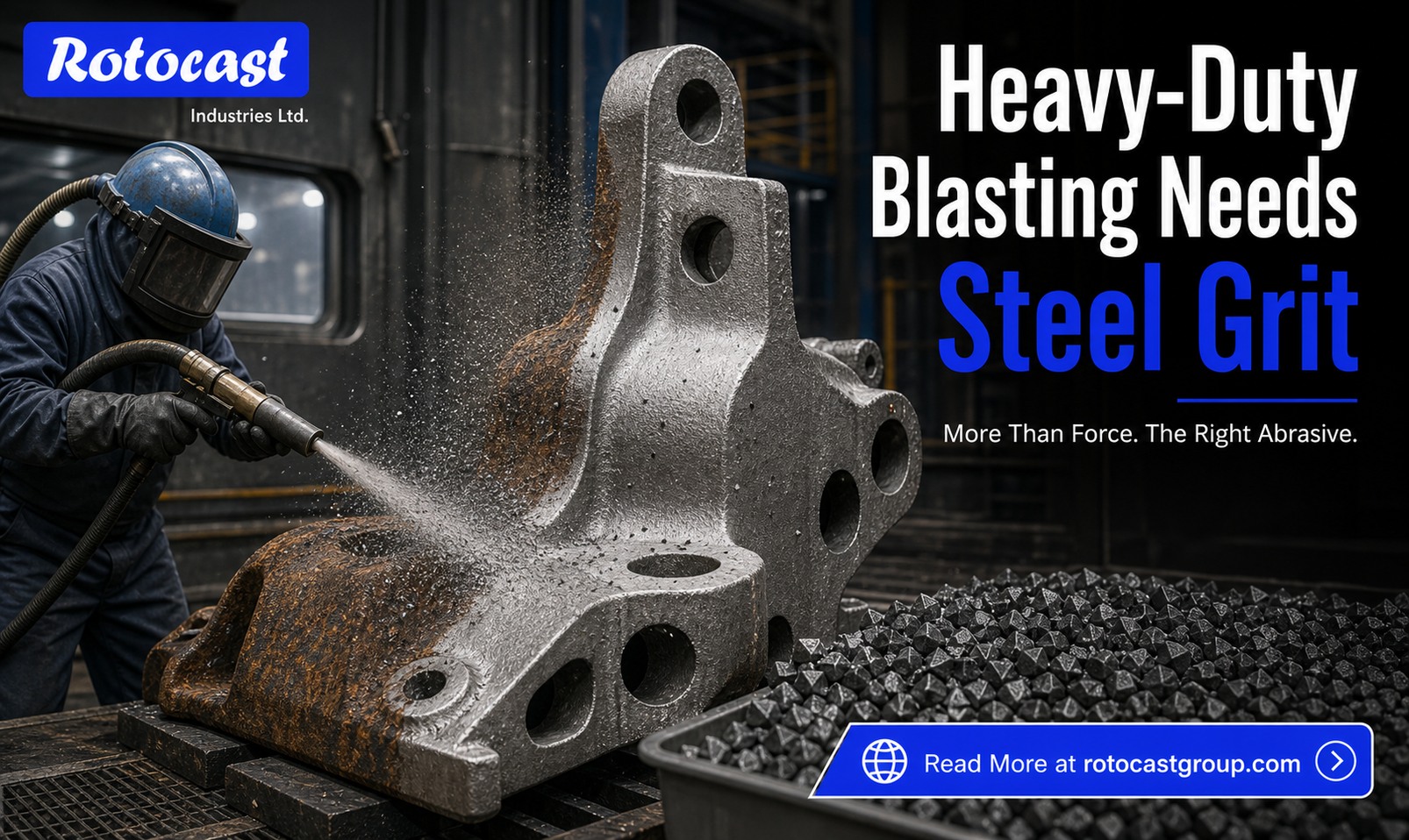
What This Article Covers
- What “heavy-duty blasting” actually means in industrial surface preparation
- Why increasing air pressure or wheel speed alone doesn’t solve poor results
- The real variables that drive blasting performance: hardness, shape retention, mesh size, Almen intensity, coverage
- Steel shot vs. steel grit vs. cut wire shot — which does what
- A step-by-step framework for diagnosing underperforming blast lines
- Common mistakes plants make when they “add more force”
- FAQs procurement and quality teams actually search for
What Does “Heavy-Duty Blasting” Actually Mean?
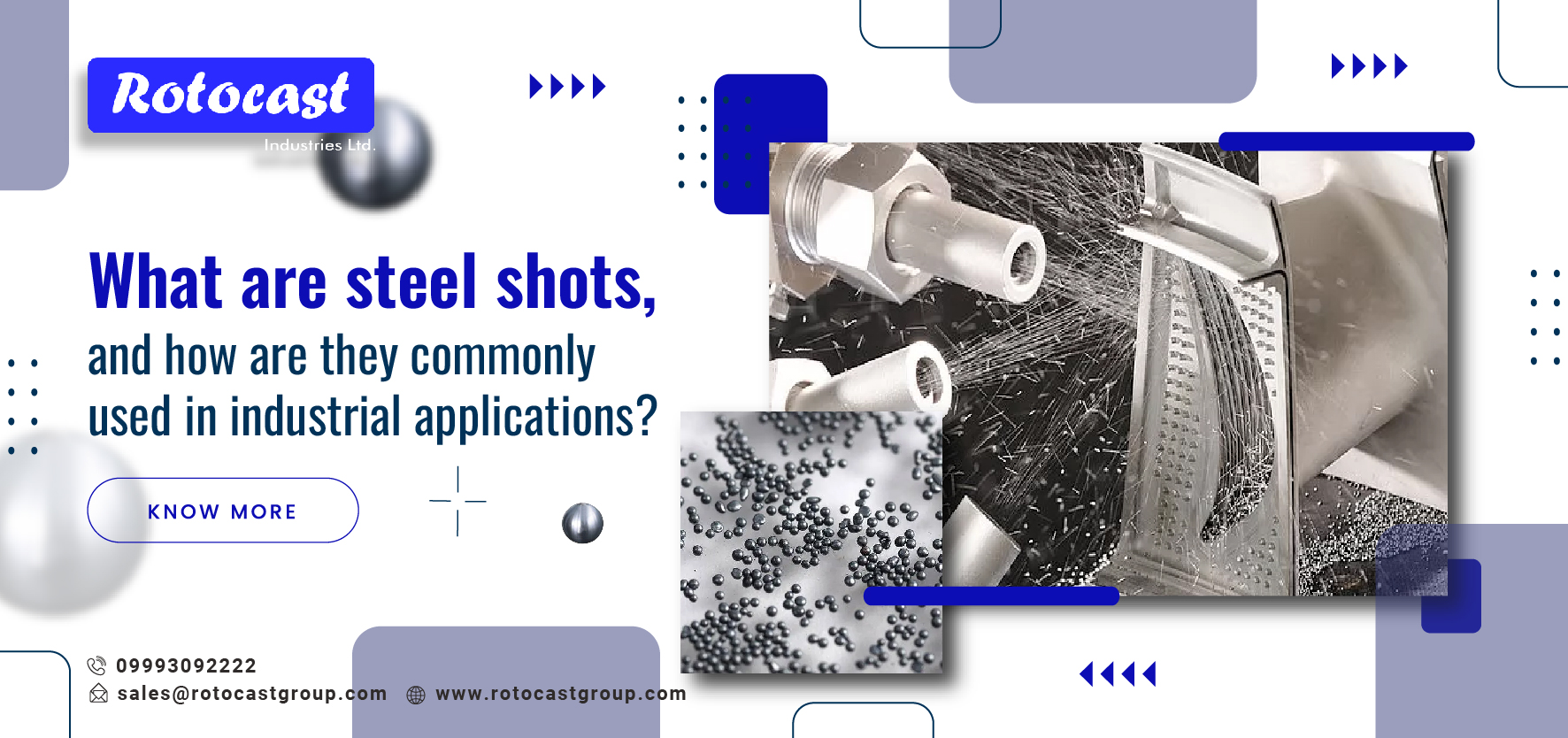
Heavy-duty blasting refers to surface preparation processes — shot blasting, grit blasting, or shot peening — applied to thick, high-mass, or heavily scaled components such as large castings, forged parts, ship hull sections, or structural steel. It demands abrasive media and process parameters capable of removing scale, rust, or sand without damaging the substrate or slowing throughput.
The Instinct Problem: “If It’s Not Working, Add More Force”
When a blast line underperforms — slow cycle times, patchy scale removal, inconsistent Almen readings, or poor anchor profile — the first response on most plant floors is mechanical: increase wheel speed, raise air pressure, or run the line longer. It’s an understandable instinct. It’s also usually the wrong fix.
Force alone changes how hard media hits the surface. It does nothing to fix:
- Media that has lost its shape and turned into fines or slivers
- The wrong mesh size for the scale thickness or casting geometry
- Inconsistent hardness across a batch of shot or grit
- Contaminated media carrying rust, sand, or foreign particles back onto clean parts
- Coverage gaps caused by poor wheel/nozzle pattern rather than insufficient energy
Turning up force on media that’s already degraded or mismatched to the job typically increases abrasive consumption, accelerates equipment wear, and can even embed contamination deeper into the surface — the opposite of what a heavy-duty blasting operation is supposed to achieve.
What Actually Drives Heavy-Duty Blasting Performance
1. Hardness and Shape Retention Steel shot and grit are engineered to a specific hardness range (typically 40–50 HRC for standard shot peening media, higher for aggressive descaling grades). Media that’s too soft deforms and loses cutting/impact efficiency quickly; media that’s too hard becomes brittle and fractures into fines, contaminating the mix and reducing usable life. Shape retention — how long shot stays round and grit stays angular — directly determines how consistent your blast pattern remains over multiple cycles.
2. Mesh Size Selection Mesh size (particle size distribution) needs to match the job:
- Coarser mesh sizes remove heavy scale and sand faster but leave a rougher profile
- Finer mesh sizes are better suited for peening, finishing, and controlled surface roughness
- A blend outside the correct range leads to either slow cycle times (too fine for heavy scale) or excessive surface roughness/part damage (too coarse for finishing work)
3. Almen Intensity and Coverage For shot peening applications specifically, Almen intensity (measured per SAE J442/J443 test strip methods) quantifies the actual kinetic energy being delivered to the part — not just wheel speed or air pressure settings. Two lines running “the same” force settings can produce very different Almen intensities if media condition differs. Coverage — the percentage of the surface actually impacted — must be verified separately from intensity; 100% coverage at correct intensity is what compliance-driven aerospace, automotive, and heavy-forging specs actually require.
4. Media Consistency and Contamination Control A batch of steel shot or grit with inconsistent hardness, mixed mesh sizes, or contamination from a prior job introduces variability that no amount of force can correct. This is often the single biggest hidden cause of “we blasted it but it still failed inspection.”
Steel Shot vs. Steel Grit vs. Cut Wire Shot
| Factor | Steel Shot (Cast) | Steel Grit | Cut Wire Shot |
|---|---|---|---|
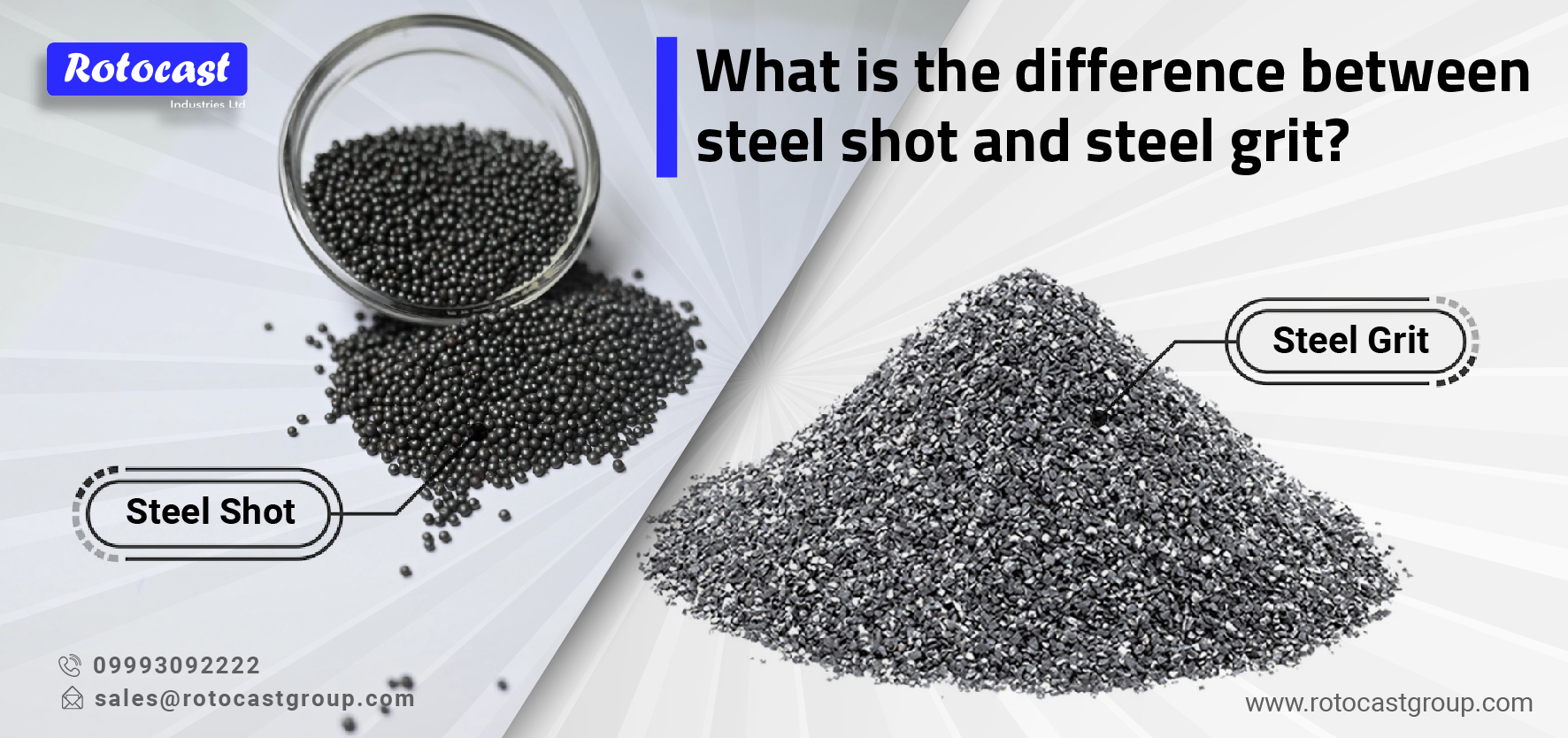
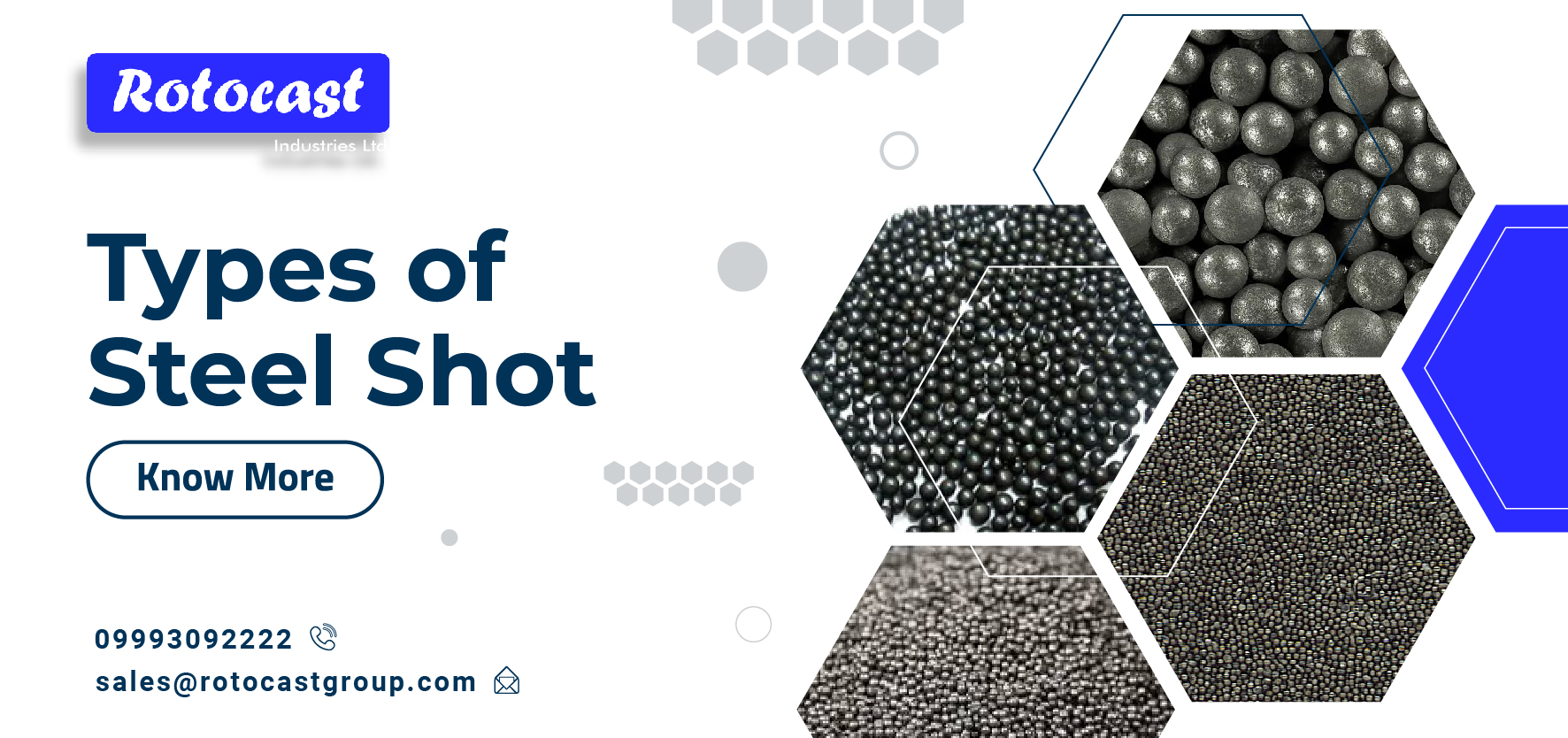
| Shape | Round/spherical | Angular, sharp-edged | Cylindrical, becomes spherical with use |
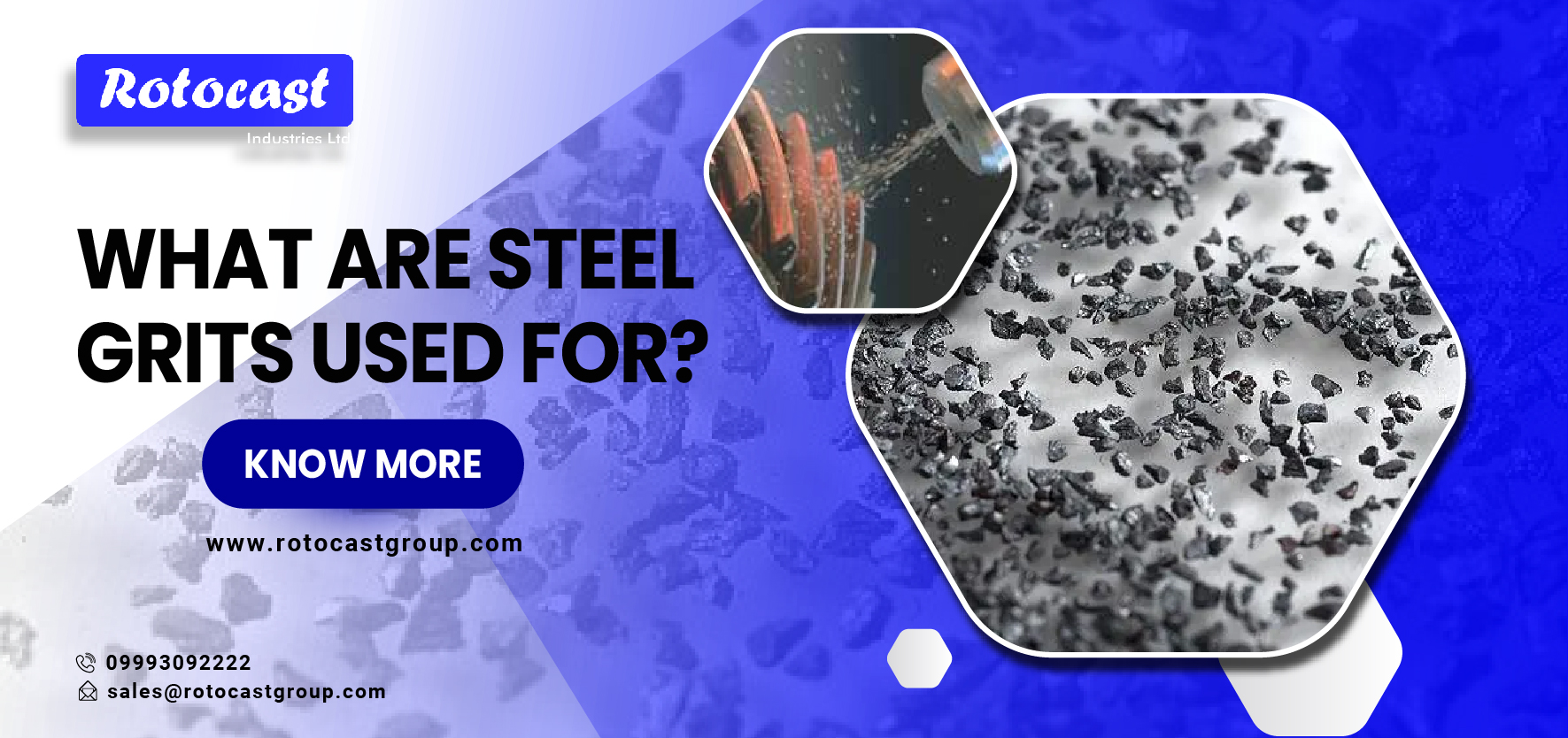
| Best for | Cleaning, peening, smooth finish requirements | Aggressive descaling, etching profile before coating | Consistent hardness peening, precision applications |
| Surface effect | Compressive, smoother finish | Cutting/etching action, rougher anchor profile | Uniform, controllable peening intensity |
| Typical use case | Foundry casting cleaning, shot peening | Steel fabrication, shipbuilding surface prep before painting | Aerospace, automotive spring peening, controlled fatigue-life applications |
| Relative consumption rate | Moderate — degrades gradually into finer round particles | Higher — angular shape wears down faster in aggressive use | Lower — engineered for consistent, predictable breakdown |
Most heavy-duty operations — foundries, forging units, shipbuilding, and PEB (pre-engineered building) fabrication — use a combination: grit for initial aggressive descaling, shot for finishing and peening, matched to the specific stage of the process rather than a single “one media fits all” approach.
A Diagnostic Framework: Is It a Force Problem or a Media Problem?
Before increasing pressure or wheel speed, walk through this sequence:
- Check Almen strip readings against the specified intensity range — is the energy actually being delivered, or is it a media condition issue masking as a force issue?
- Inspect media sample for shape retention, fines percentage, and contamination
- Verify mesh size against the current job’s scale thickness/finish requirement
- Confirm coverage percentage across the part geometry, not just at a single test point
- Review hardness consistency across the media batch — not just the spec sheet, but the actual working mix in the machine
- Only then consider adjusting mechanical parameters (wheel speed, air pressure, exposure time)
In most underperforming lines, steps 1–5 identify the real issue before step 6 is ever needed.
Common Pitfalls in Heavy-Duty Blasting Operations
| Mistake | Why It Hurts the Process | Fix |
|---|---|---|
| Increasing force before checking media condition | Masks the real problem, increases wear and consumption | Run diagnostic checks first (see framework above) |
| Using a single mesh size for all job types | Under- or over-blasts depending on scale/finish requirement | Match mesh size to the specific job stage |
| Ignoring fines buildup in recycled media | Reduces effective intensity, increases dust and contamination | Regular media classification and replenishment |
| Mixing shot and grit without a defined ratio strategy | Inconsistent, unpredictable surface finish | Define and monitor mix ratios by job type |
| Skipping Almen verification on peening jobs | Risk of non-compliant fatigue-life or coating-adhesion outcomes | Routine Almen strip testing per SAE J442/J443 |
| Sourcing abrasive media without consistent hardness/QC batches | Variable results even with correct equipment settings | Work with a certified, consistent-batch abrasive manufacturer |
Consistent abrasive quality is not just a specification — it’s the foundation of a defect-free finish and predictable equipment life. Foundries working with an experienced steel abrasives manufacturer typically see a measurable reduction in consumption and rework, without compromising surface finish quality.
Where This Matters Most: Industry Applications
- Foundries — descaling and cleaning castings before machining or coating
- Forging units — scale removal and surface conditioning between forming stages
- Shipbuilding — large-surface descaling and anchor-profile creation before painting/coating systems
- Automotive and PEB fabrication — shot peening for fatigue-life improvement, grit blasting for structural steel coating prep
Across all of these, the underlying principle is the same: blast performance is a media-and-process outcome, not a pure horsepower outcome.
Why Media Sourcing Consistency Matters as Much as Machine Settings
Rotocast Industries Ltd. has manufactured steel shots, steel grits, and steel abrasive solutions for over 40 years, supplying 1000+ customers across foundries, forging, shipbuilding, automotive, and PEB industries from a 30,000+ tonnes annual production capacity. That scale exists to solve exactly the batch-consistency problem plant teams run into — hardness variability, shape retention, and mesh-size accuracy that hold up cycle after cycle, not just on the first batch. Production is aligned to ISO 9001, ISO 11124, BIS, and SAE J444/J445/J827/J1993 standards, which govern abrasive specification, testing, and quality control for shot and grit media.
FAQ Section
1. What is the difference between steel shot and steel grit? Steel shot is round/spherical and produces a smoother, compressive finish, commonly used for cleaning and peening. Steel grit is angular and cuts/etches the surface more aggressively, typically used for descaling and creating an anchor profile before coating.
2. Why does increasing blast pressure not always improve results? Higher pressure only increases impact force — it doesn’t fix degraded media shape, incorrect mesh size, contamination, or coverage gaps, which are usually the actual cause of poor blast results.
3. How often should blast media be replaced or replenished? It depends on media type, job aggressiveness, and contamination levels, but media should be classified and replenished regularly to control fines buildup and maintain consistent hardness and shape distribution — not run until visibly depleted.
4. What standards govern steel shot and grit quality? Common standards include ISO 11124 (specifications for steel abrasive), SAE J444 (cast shot/grit size specifications), SAE J445 (testing procedures), SAE J827 (cast steel shot specification), and SAE J1993 (cut wire shot specification), alongside ISO 9001 quality management certification.
5. How do I know if I need steel shot, steel grit, or cut wire shot for my application? It depends on the desired surface outcome: steel shot for smooth/compressive finishing and peening, steel grit for aggressive descaling and coating-prep profiles, and cut wire shot for consistent, controllable peening intensity in precision or fatigue-critical applications.
If your blast line is underperforming and force alone isn’t fixing it, the issue is likely in the media, not the machine. Explore Rotocast Industries Ltd.’s steel shot and steel grit range, or request a quote for customized abrasive solutions for your foundry, forging, or fabrication line.