- Rotocast
- Oct 3, 2026
- Blogs, Shot Blasting, Steel Abrasives, Surface Preparation
- 0 Comments
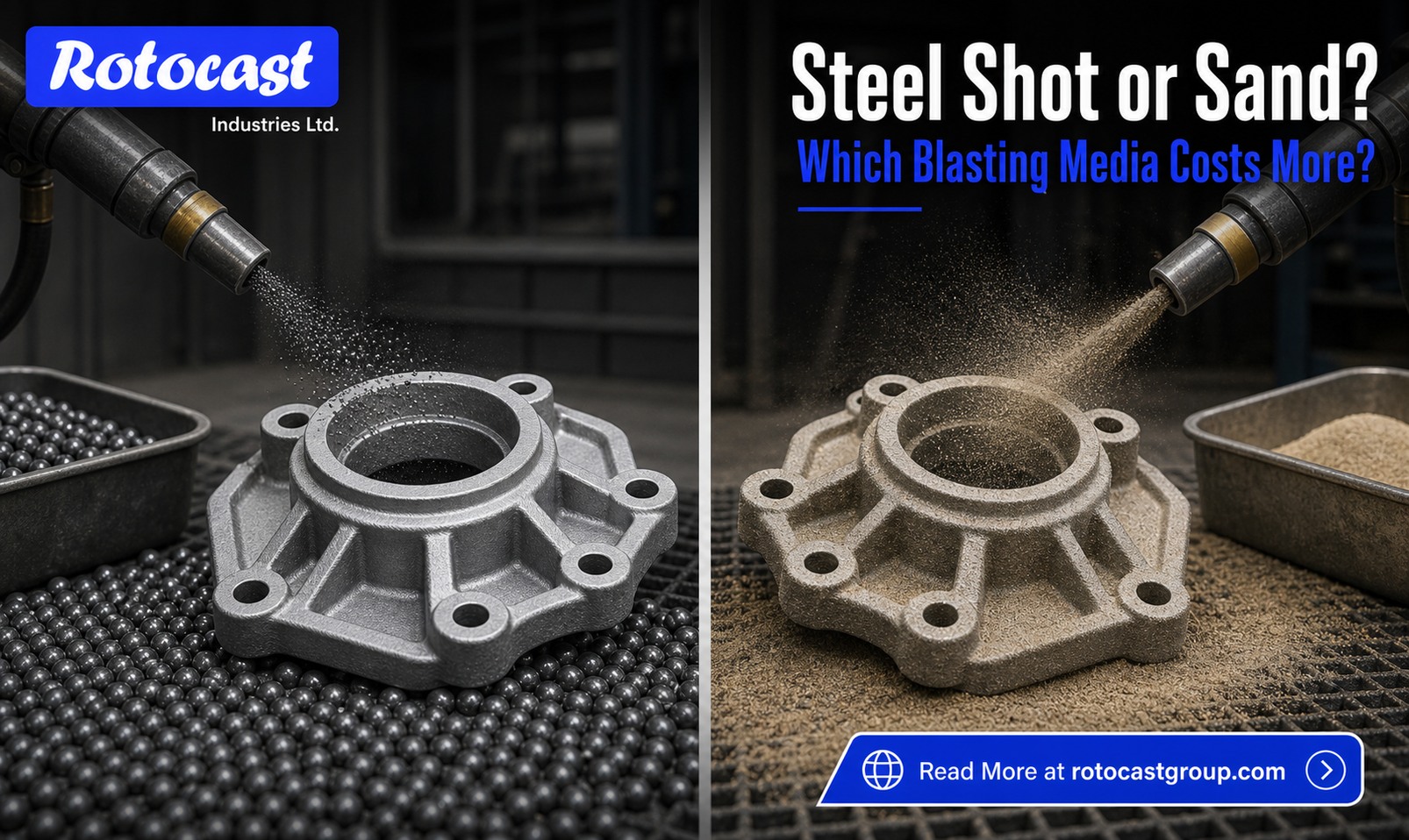
Sand can look cheaper on a purchase order. Steel Shot can look more expensive per kilogram. Neither number tells you what the blast room actually costs. Reuse cycles, dust generation, blasting speed, disposal, equipment design, surface finish and rework determine which media is truly economical.
What This Article Covers
- Why purchase price is the wrong comparison for blasting media
- How Steel Shot and sand differ in reuse, dust and process behavior
- Where equipment type changes the economics completely
- A total-cost decision framework for procurement and plant teams
- Common comparison mistakes that distort media cost
- Five practical Steel Shot vs sand FAQs
What is the cost difference between Steel Shot and sand blasting media?
Steel Shot usually has a higher purchase price per kilogram than common sand-type abrasives, but in suitable closed blasting systems it can be recycled through many impact cycles. Sand is typically treated as expendable, so its lower unit price may be offset by higher consumption, dust, cleanup, disposal and handling. The economical choice depends on total cost per cleaned component or tonne—not media price alone.
The Purchase Order Hides the Real Cost
Procurement teams often receive two quotations and compare them directly: one price for Steel Shot, another for sand or a mineral abrasive. That comparison is easy, but it can be misleading because the materials are used differently.
In a wheel-blast machine or a suitably designed closed recovery system, durable Steel Shot circulates repeatedly. The plant pays for the media that is gradually lost through wear, carryout and breakdown. Many sand-type abrasives are used as expendable media, meaning a much larger mass may be consumed for the same production volume. This changes storage, handling, dust and disposal economics.
The correct comparison is therefore cost per accepted component, square metre or tonne processed. That number includes media consumption, cycle time, energy, labor, wear parts, dust collection, disposal and rework.
Steel Shot and Sand Do Not Behave the Same Way
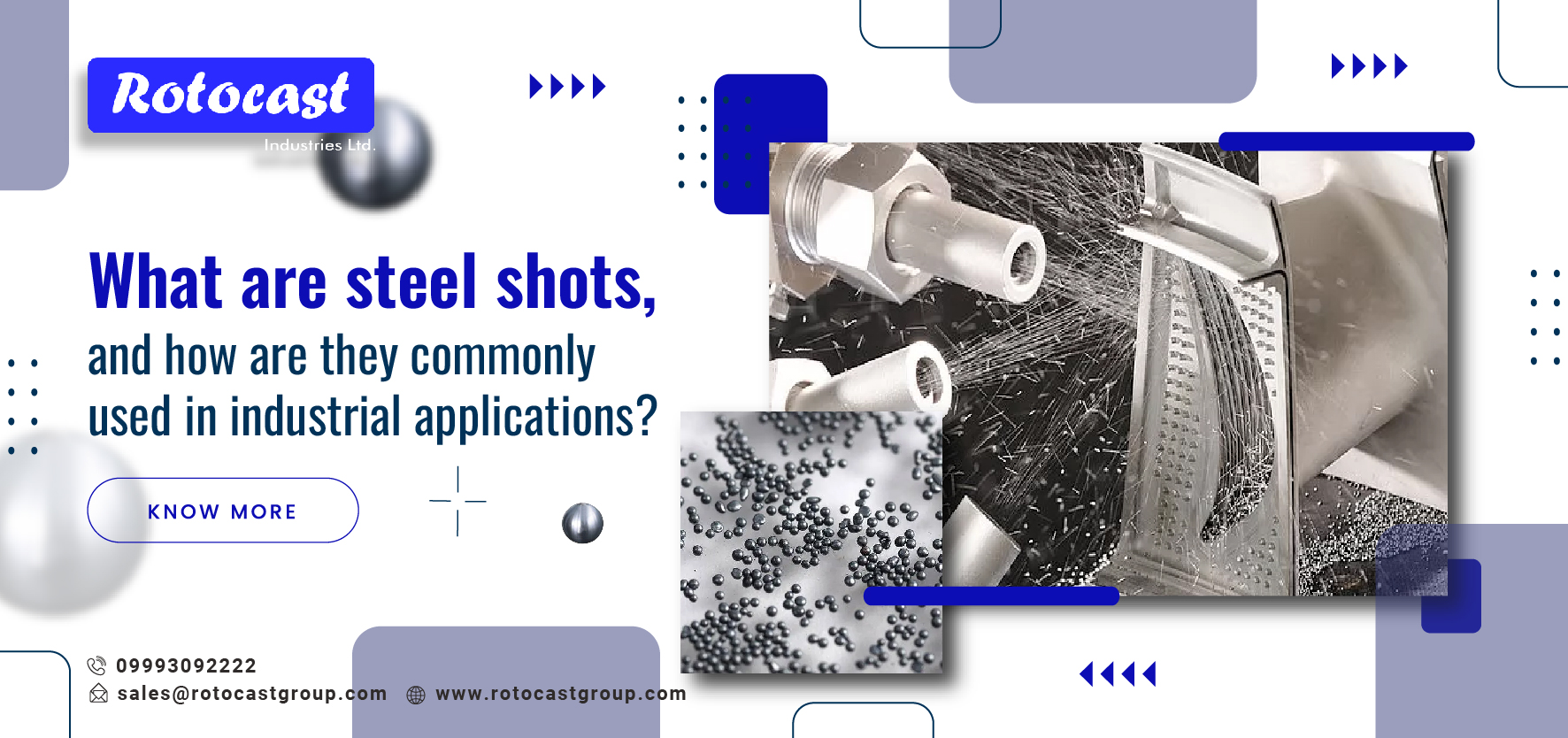
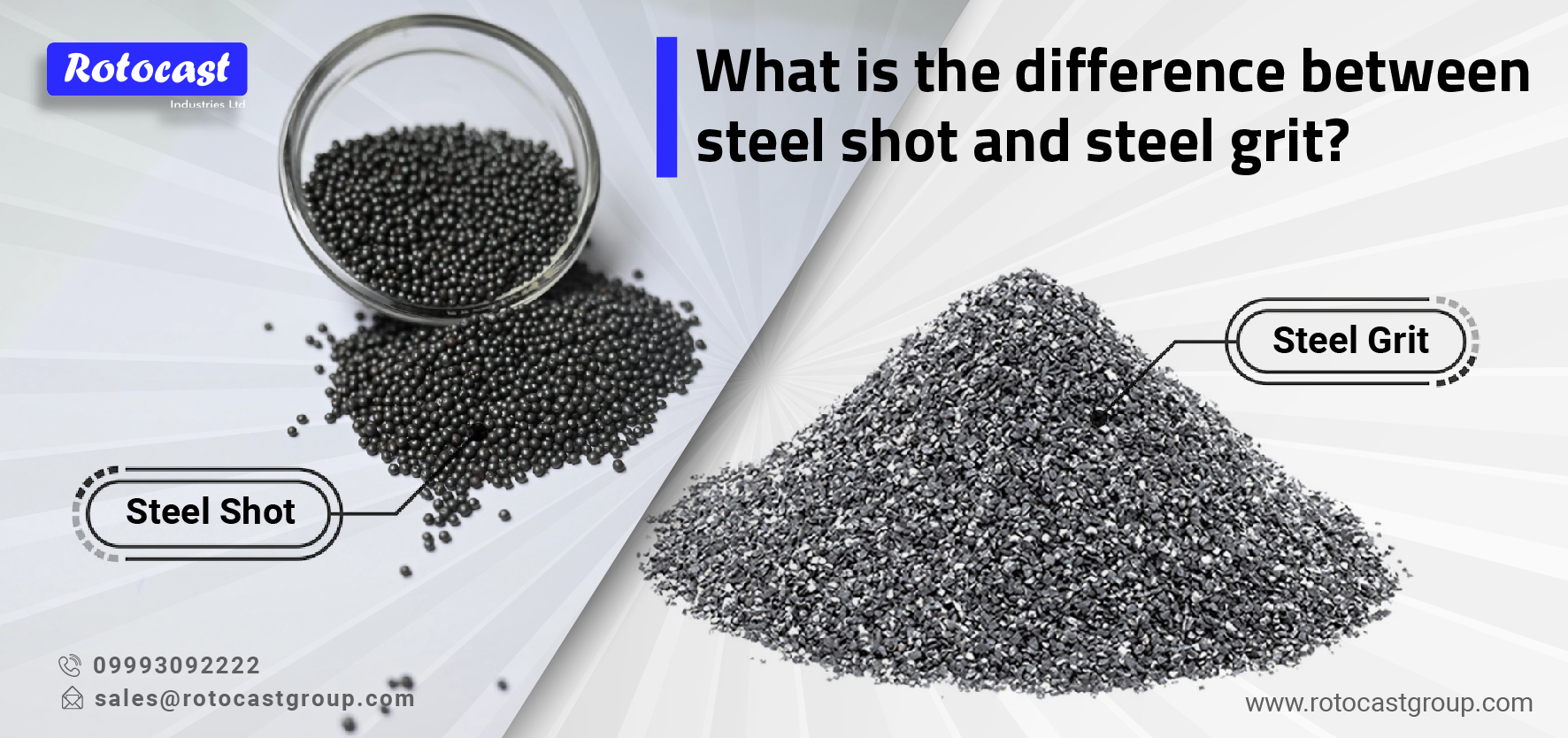
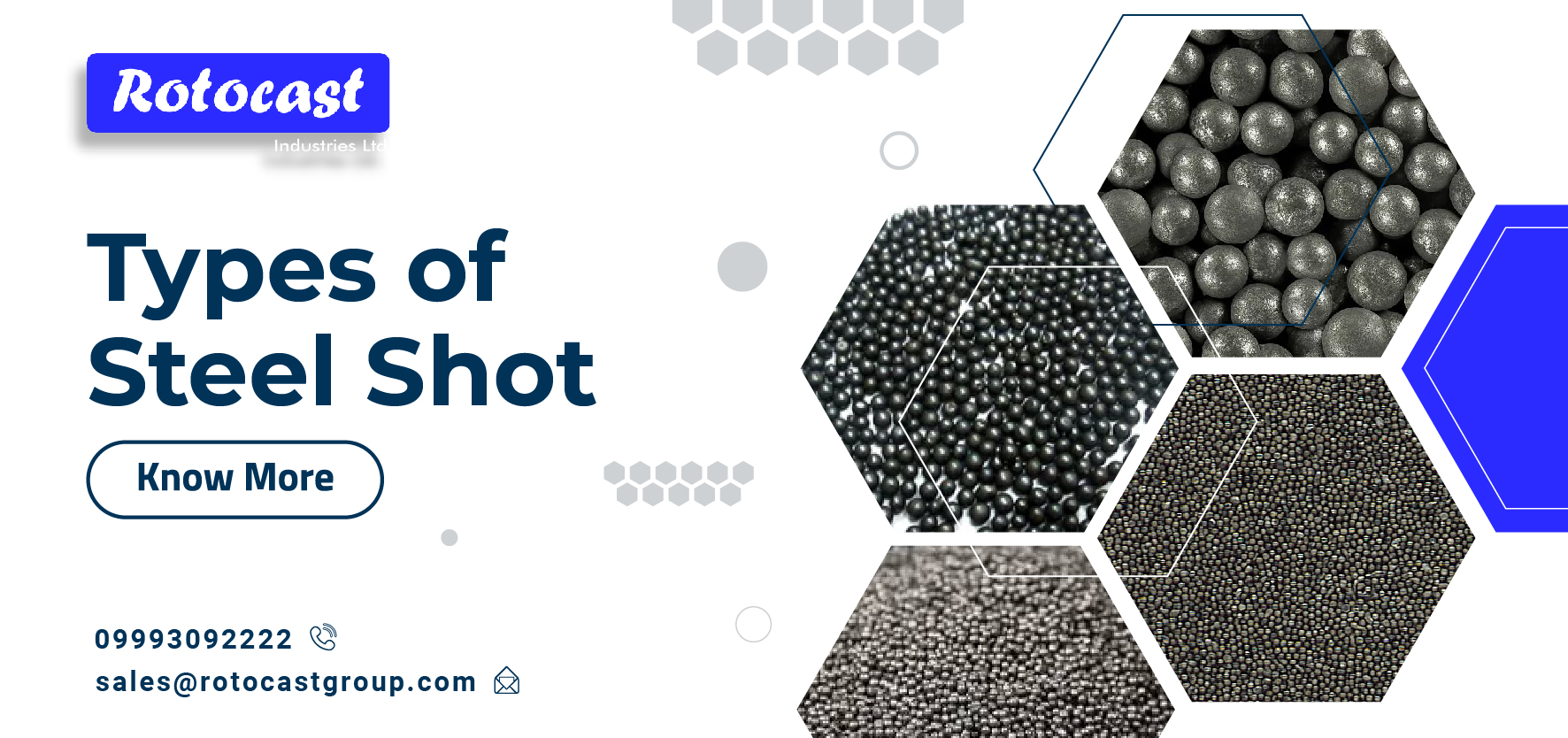
Steel Shot is a dense, round steel abrasive. Its mass gives it substantial impact energy, and its spherical form produces broad, repeatable impact. In suitable equipment it can be separated, cleaned and recirculated into a working mix.
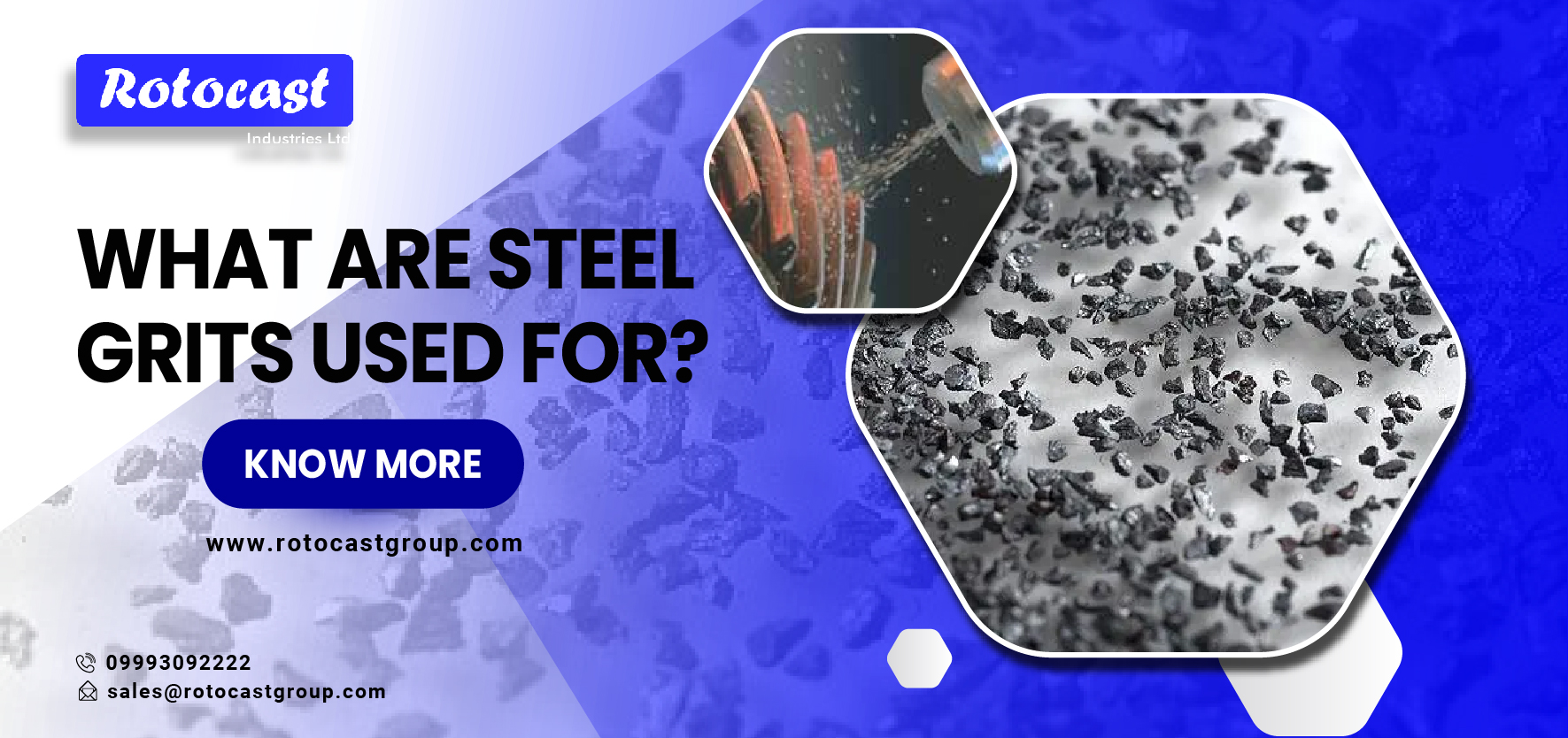
Sand is a broad term. Mineral abrasives vary in hardness, shape and friability. Many are angular and cut effectively, but may fracture faster and generate more dust than metallic media. If the material contains crystalline silica, exposure control becomes an important EHS requirement.
This means the decision should not be reduced to “steel is reusable, sand is cheap.” Equipment, substrate, finish requirement, production rate and site controls determine whether either media makes sense.
Where Steel Shot Can Win the Economics
High-throughput enclosed blasting is where Steel Shot often shows its strongest economic case. The media can be recycled, the working mix can be controlled, and dense particles can deliver efficient cleaning at relatively high productivity. For foundry, forging, fabrication and structural applications, this can translate into lower top-up mass and more stable operation.
Dust generation can also be lower when the shot is durable and the separator is functioning correctly. Less dust reduces the burden on filters and housekeeping. A stable working mix may also help keep cycle time predictable and reduce rework caused by inconsistent blasting.
Rotocast Industries Ltd. describes its Steel Shot as solid spherical steel media designed for shot blasting and related applications, with SAE-referenced size and product controls. For a plant, the important question is how that consistency behaves in your machine over weeks of production—not only during a short trial.
Where Sand or Other Expendable Abrasives May Still Make Sense
Steel Shot is not automatically the right answer. Open blasting, field work, one-time maintenance jobs or equipment that cannot recover metallic media may favor expendable abrasives. Certain substrates or profile requirements may also need a different abrasive type.
Where recovery is impractical, an angular expendable abrasive may still be the practical choice. Include containment, cleanup, disposal and portability in the decision.
The point is not to declare one media universally cheaper. It is to compare on the process that will actually be used.
Decision Framework: Compare Total Cost, Not ₹/kg
| Cost factor | Steel Shot in suitable recovery system | Sand / expendable abrasive |
| Purchase price per kg | Usually higher | Usually lower |
| Reuse potential | High when properly recovered and separated | Usually low or single-use, depending on media/process |
| Typical mass consumption | Lower top-up mass in stable closed systems | Higher replacement mass because media is expendable |
| Dust/cleanup burden | Can be relatively low with durable shot and healthy mix | Often higher due to fracture and one-pass use |
| Surface texture | Round impact; comparatively smoother | Often angular/cutting; profile depends on mineral and size |
| Best-fit environment | Enclosed wheel blast / recovery systems | Open/field or applications where recovery is impractical |
The table shows why unit price is only one line in the calculation. The total-cost winner changes with recovery efficiency, production rate, dust handling, surface requirement and the equipment already installed in the plant.
The Hidden Cost of Dust
Dust is more than housekeeping. It can increase filter loading, contaminate nearby operations, interfere with surface cleanliness and add maintenance labor. High dust also means purchased abrasive is becoming fines instead of useful impact.
With expendable mineral abrasives, dust and broken particles are part of the expected consumption model. With Steel Shot, excessive dust may signal poor media quality, an unhealthy working mix, contamination or mechanical issues. In either case, measure it. Dust collection differential pressure, disposal mass, housekeeping hours and filter replacement can all be converted into cost.
The Hidden Cost of Cycle Time
A cheaper media that takes longer to clean can be expensive when the blast machine is a production bottleneck. Extra cycle time reduces throughput and raises energy and labor cost per component.
Compare accepted output per shift, not just cleaning speed on one test coupon. Include loading, unloading, touch-up and rework. The best abrasive is the one that keeps the entire production cell productive.
The Hidden Cost of Surface Condition and Rework
Sand-type angular abrasives and Steel Shot produce different surface textures. If the coating system requires a sharper anchor profile, round Steel Shot may not be the ideal choice by itself. If the requirement is uniform cleaning with controlled texture, a highly aggressive expendable abrasive may create unnecessary roughness and paint consumption.
Rework can erase cheap-media savings. One repeated blast cycle may cost more in labor, energy and machine capacity than the original price difference. Include coating rejects and touch-up in the cost model.
How Equipment Changes the Answer
Wheel-blast machines are typically designed around recyclable metallic media. Turbine wheels accelerate the media efficiently, and the system recovers it for separation and reuse. Introducing an unsuitable abrasive can increase wear or create operating problems.
Air-blast systems are more flexible and may use a wider range of abrasives. Even there, nozzle wear, compressor power, recovery design and operator productivity determine economics. Before changing media, confirm that the blast equipment manufacturer permits the selected type and size.
Abrasive choice should therefore be a joint decision between production, maintenance, quality, EHS and procurement—not a purchasing substitution made in isolation.
Common Steel Shot vs Sand Comparison Mistakes
| Comparison mistake | Why it misleads | Better metric |
| Comparing only ₹/kg | Ignores reuse and consumption rate | ₹ per accepted part/tonne processed |
| Ignoring disposal and housekeeping | Hides expendable-media handling cost | Waste mass + labor + filter/cleanup cost |
| Running only a short fresh-media test | Does not represent steady-state behavior | Stable working-mix trial |
| Ignoring equipment compatibility | Can increase wear or reduce performance | OEM-approved media type/size and measured wear |
| Ignoring surface profile | Cheap cleaning can create expensive coating rework | Cleanliness + profile + coating acceptance |
Each of these mistakes is inexpensive to create and expensive to live with. The corrective action is usually a combination of specification discipline, routine measurement and better coordination between procurement, production, maintenance and quality.
A Simple Trial Method for Procurement Teams
- Choose a representative production part and define the required cleanliness, surface profile and acceptance criteria before the trial.
- Record baseline data for the existing media: kg consumed, cycle time, energy or machine hours, dust disposal, wear parts, labor and rework.
- Run the alternative media long enough to reach a stable operating condition. A few parts with fresh media are not a fair comparison.
- Keep controllable machine settings consistent unless the media requires a documented optimization step; record every change.
- Compare total cost per accepted part or tonne processed and include quality failures. Procurement should review the result with production, maintenance and EHS.
Quality Consistency Matters in Any Cost Model
A reusable abrasive has economic value only if it survives predictably and maintains the required surface condition. That brings the discussion back to size, hardness, roundness, density, chemistry and durability. Supplier consistency protects the assumptions behind your cost model.
Rotocast Industries Ltd. manufactures Steel Shot at industrial scale and references SAE requirements across its product range. For users comparing a Shot Manufacturer in India or Steel Shot Manufacturer, technical documentation should be paired with a controlled plant trial and a total-cost calculation.
Total-Cost Example: Why the Cheap Media Can Lose
Consider a simplified comparison. Media A costs less per kilogram but is consumed quickly, creates more dust and adds several minutes to the average blast cycle. Media B costs more per kilogram but is recovered repeatedly and keeps cycle time stable. If the blast machine is already near full utilization, the extra minutes from Media A may cost more in lost production capacity than the apparent purchase saving.
The comparison becomes even more important when coating follows blasting. If an abrasive creates a surface that is too rough, primer consumption may rise. If it leaves an unstable or inappropriate texture, rework can rise. A one-percent increase in coating rejects on high-value fabricated parts can outweigh a large difference in abrasive purchase price.
This is why procurement should request a plant trial with a cost sheet, not only samples. Track media added, waste removed, accepted throughput, machine hours, wear parts, labor and quality rejects. The result may confirm sand for the job—or show that reusable Steel Shot delivers lower total cost. Either outcome is more defensible than choosing by ₹/kg.
Final Words
Steel Shot or sand is not a question that should be answered by quotation price alone. Sand may be inexpensive to buy but costly to consume, handle and dispose of. Steel Shot may cost more upfront but can become economical when it is recovered repeatedly in a suitable high-throughput system.
Build the comparison around your plant: kilograms consumed, accepted output, cycle time, dust, disposal, wear parts, energy and rework. Once those numbers are visible, the cheapest option on paper may no longer be the least expensive option in production.
Explore products for reusable Steel Shot and other steel abrasive solutions, or connect for customized abrasive solutions when your plant needs a data-based media comparison for cost, finish and throughput.
FAQs
- Is Steel Shot cheaper than sand blasting media?
It can be cheaper on total process cost in suitable recovery systems because it is recyclable and may reduce consumption, dust and rework. Sand often has a lower purchase price but is usually expendable.
- Can I use Steel Shot in an air-blast machine?
Many air-blast systems can use metallic media, but suitability depends on the machine, nozzle, recovery system and required finish. Confirm with the equipment manufacturer and trial under controlled conditions.
- Does Steel Shot create less dust than sand?
Durable Steel Shot in a healthy closed system can generate less dust than friable expendable media. Actual dust depends on media quality, contamination, separator efficiency and process conditions.
- Which gives a rougher surface: Steel Shot or sand?
It depends on the sand type, size and process, but angular mineral abrasives generally cut more sharply than round Steel Shot. Measure the resulting profile against the coating specification.
- What is the best way to compare blasting media cost?
Measure cost per accepted component or tonne, including media top-up, cycle time, energy, wear parts, dust collection, disposal, labor and rework. Unit price alone is incomplete.