- Rotocast
- Nov 4, 2026
- Blogs, Shot Blasting, Steel Abrasives, Surface Preparation
- 0 Comments
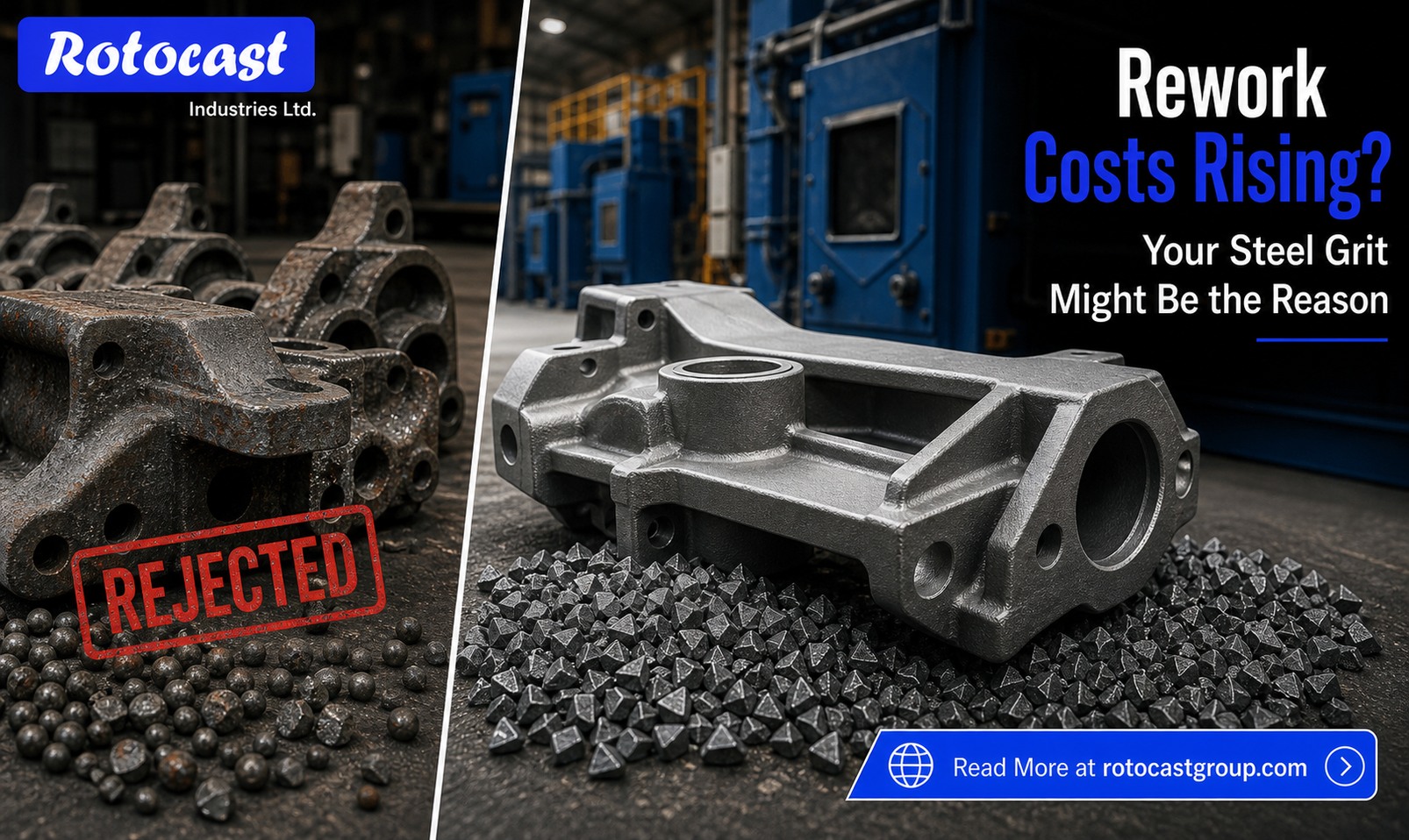
What if the reason behind rising rework costs isn’t your machinery, workforce, or production process—but the blasting media you use every day?
In manufacturing, surface finishing is more than a final cleaning step. It influences product appearance, coating readiness, operational efficiency, and the overall cost of production.
Yet many manufacturers overlook one important factor: the quality and suitability of their blasting abrasives.
When blasting media performs inconsistently, components may need additional cleaning, repeated blasting, or corrective finishing. These extra operations consume valuable production time and increase costs.
For foundries, forging units, automotive manufacturers, and steel fabrication industries, selecting the right Steel Shot and Steel Grit can make a meaningful difference.
Let’s explore how blasting media affects rework costs and what manufacturers can do to control them.
How Can Blasting Media Increase Rework Costs?
Rework occurs when a component requires additional processing because its surface does not meet the desired quality or finishing requirements.
During shot blasting, this may result from incomplete scale removal, uneven cleaning, unsuitable surface roughness, or excessive abrasive wear.
Consider a typical production scenario.
A component goes through blasting but fails surface inspection. It must be returned to the blasting machine, processed again, reinspected, and potentially sent for additional finishing.
The cost is not limited to the extra abrasive consumed.
It also includes machine operating time, electricity, labor, handling, inspection, and possible delivery delays.
When this happens repeatedly across production batches, even a seemingly inexpensive abrasive can become an expensive manufacturing decision.
1. Wrong Steel Shot or Steel Grit Selection
Not every abrasive produces the same surface finish.
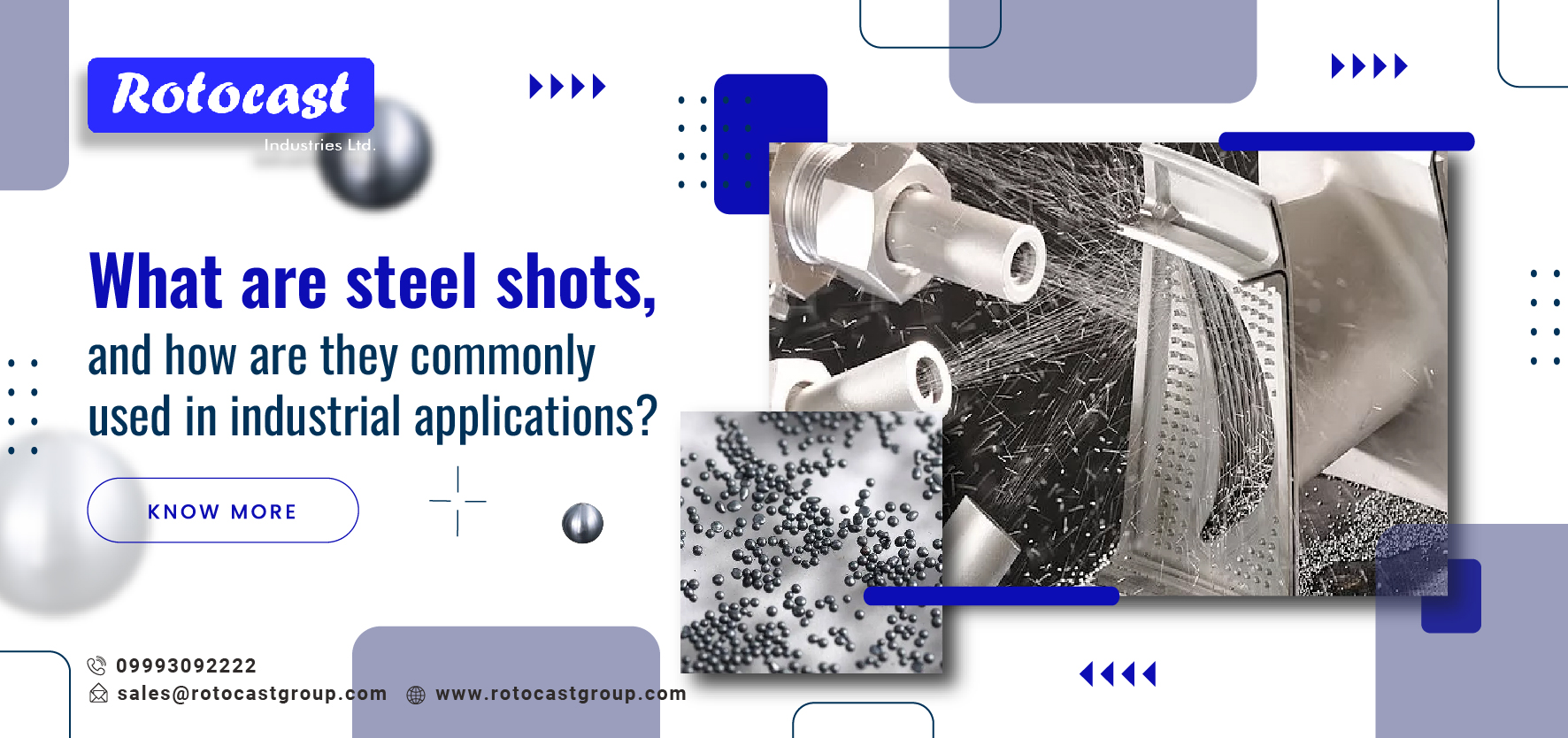
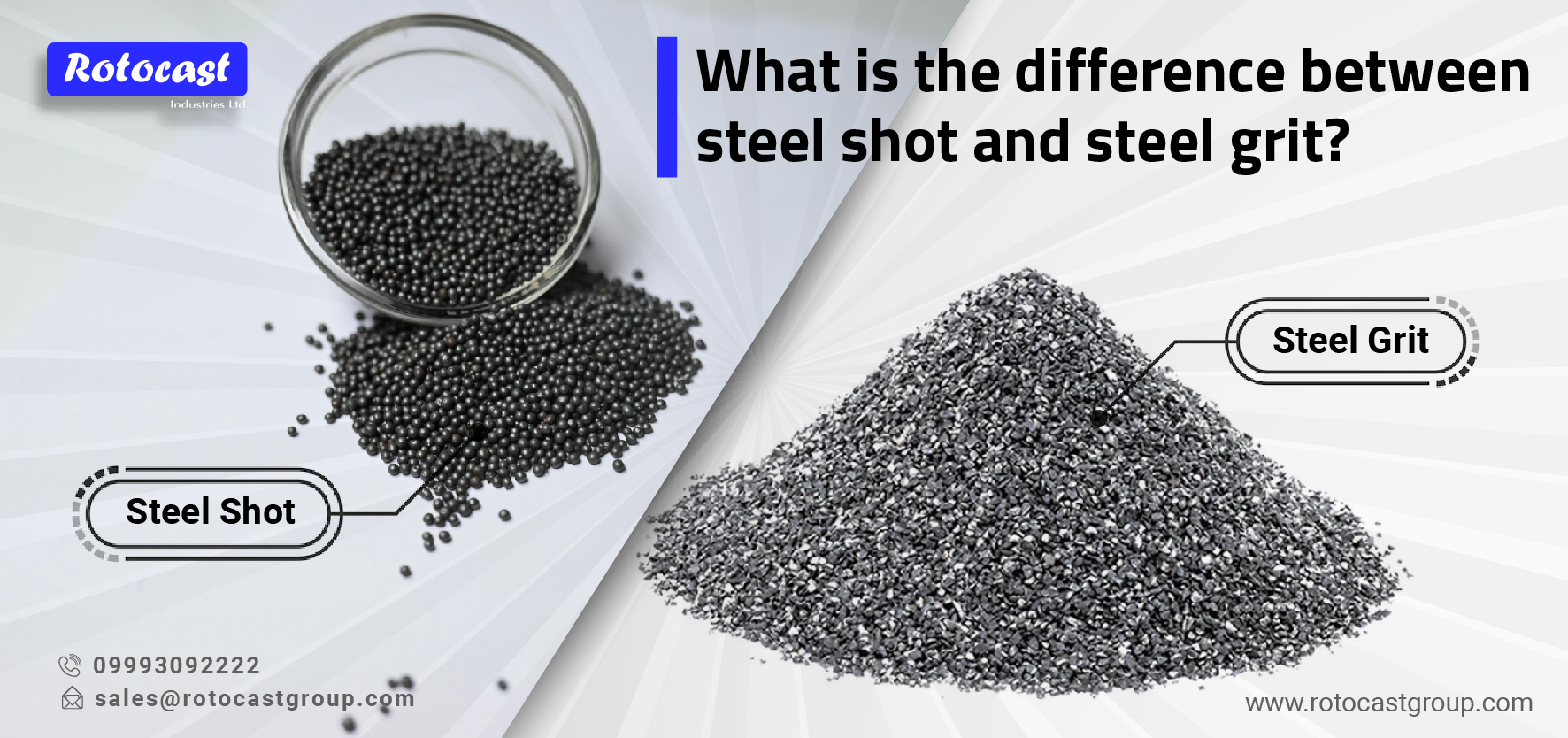
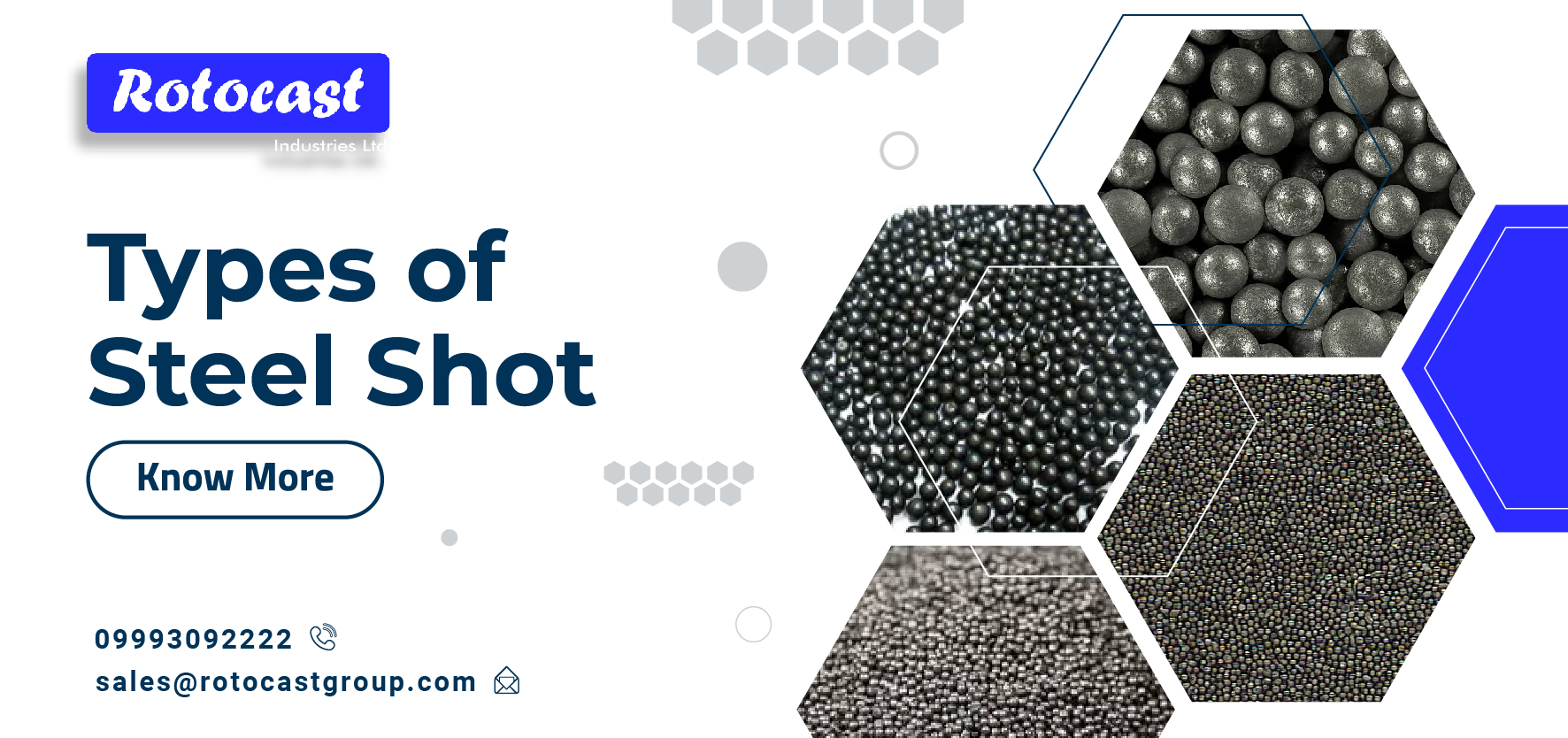
Steel Shot consists of rounded metallic particles commonly used for cleaning, descaling, surface finishing, and shot peening.
Its spherical shape supports relatively uniform impact and consistent surface treatment.
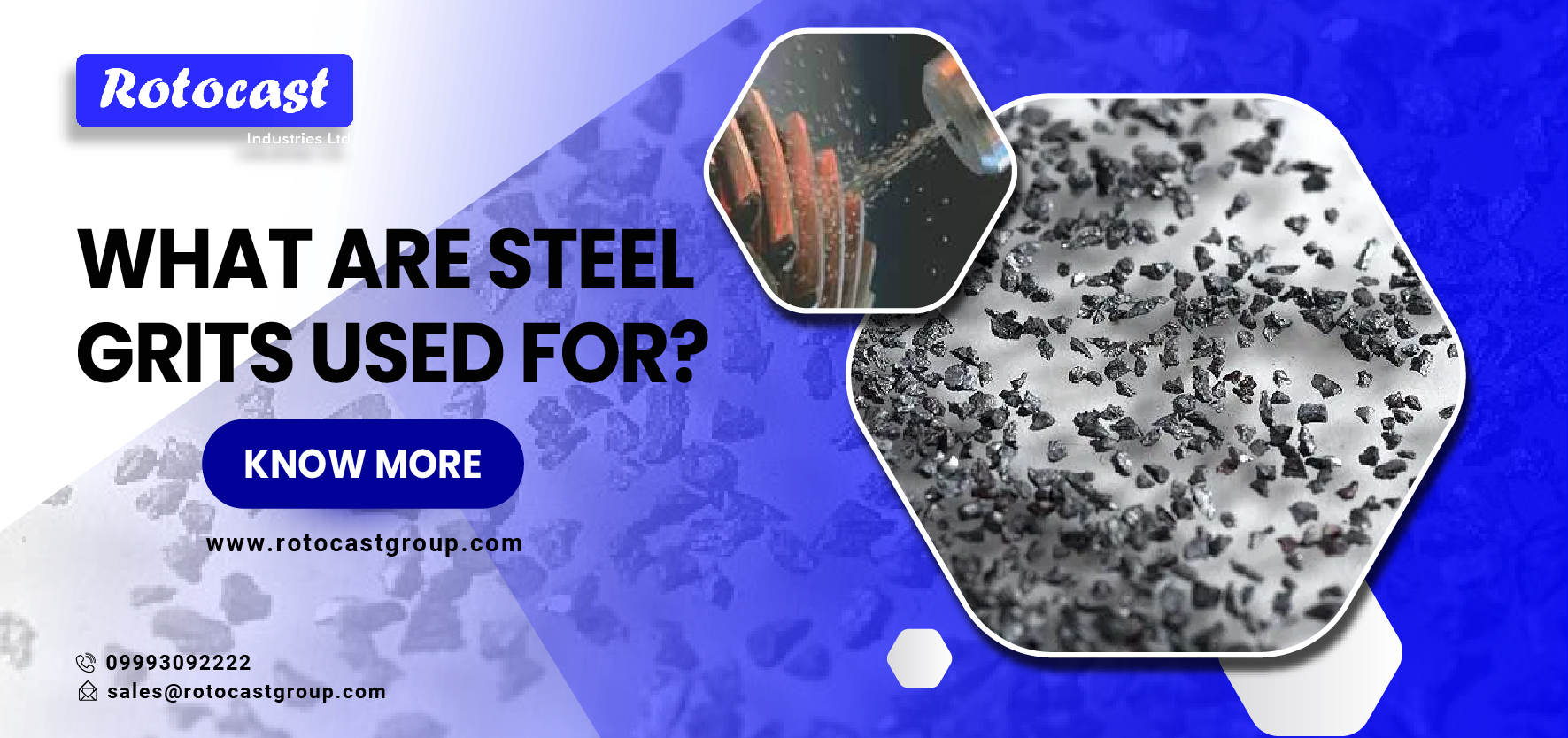
In contrast, Steel Grit consists of angular particles that provide a more aggressive cutting action. It is commonly selected for rust removal, heavy-scale cleaning, and surface preparation before coating.
The difference matters.
If an application requires a controlled surface profile but uses an unsuitable abrasive, the resulting finish may fail inspection or create difficulties during coating.
Similarly, using an unnecessarily aggressive abrasive can produce more surface roughness than required.
The distinction between Steel Shots and Steel Grits should therefore guide abrasive selection.
The solution: Select blasting media according to the component material, surface condition, cleaning requirement, coating specification, and blasting equipment.
2. Inconsistent Abrasive Size Can Lead to Uneven Finishing
Particle size is another important factor that manufacturers should monitor.
Blasting media with an unsuitable or inconsistent size distribution may produce uneven cleaning results.
Larger particles generally deliver greater impact energy, while smaller particles can provide more frequent impacts across a given area.
However, neither is automatically better.
The correct size depends on the required surface condition and the blasting process.
For instance, a Steel Casting Foundry cleaning complex components may require a different abrasive size from a fabrication unit preparing structural steel for protective coating.
When media size is poorly matched to the application, operators may increase blasting time to compensate for incomplete cleaning.
This can reduce productivity and increase abrasive consumption.
The solution: Choose the appropriate abrasive grade and periodically inspect the size distribution of the working media.
3. Excessive Abrasive Breakage Increases Operating Costs
Blasting media experiences repeated impacts during normal operations.
Over time, particles wear down or fracture, producing smaller fragments and fines.
When excessive fines accumulate in the blasting system, the effective working mix can change.
This may contribute to:
- Reduced cleaning consistency
- Higher dust and separator loads
- Increased abrasive replenishment
- Longer blasting cycles
- Additional surface finishing work
Abrasive durability therefore deserves as much attention as the initial purchase price.
Working with a reliable Steel Shot Manufacturer allows buyers to examine product specifications, particle characteristics, and suitability for their operating conditions.
The objective should be to achieve consistent performance throughout the usable life of the abrasive.
The solution: Monitor abrasive breakdown, remove unwanted fines, maintain the separator, and evaluate media consumption over time.
4. Poor Surface Preparation Can Create Downstream Rework
The consequences of ineffective blasting can extend beyond the blasting department.
For example, Steel Casting components may require cleaning and surface preparation before inspection, machining, painting, or assembly.
If scale, rust, or contaminants remain, subsequent processes may be affected.
In coating applications, an unsuitable surface profile or residual contamination can contribute to poor adhesion or premature coating failure.
The component may then require additional cleaning, coating removal, or repainting.
This makes blasting quality an important part of the complete manufacturing workflow.
The solution: Define measurable surface cleanliness and roughness requirements before blasting begins.
Inspection should confirm that the finished surface is suitable for the next manufacturing operation.
5. Machine Settings and Media Quality Must Work Together
Even high-quality blasting media may not deliver the expected results when equipment conditions are unsuitable.
Important operating factors include blast-wheel condition, abrasive flow rate, conveyor speed, exposure time, and the condition of the abrasive-recovery system.
Worn equipment or inconsistent media flow can produce uneven blasting coverage.
Operators may attempt to solve the problem simply by extending cycle time.
However, increasing blasting time without identifying the cause may result in unnecessary energy use and abrasive wear.
The solution: Review abrasive condition and machine performance together.
A properly maintained blasting system, combined with application-appropriate abrasives, supports more predictable surface finishing.
How to Identify Whether Your Blasting Media Is Causing Rework
Before changing abrasive suppliers or purchasing new equipment, manufacturers should conduct a practical process assessment.
Check the First-Pass Acceptance Rate
Measure how many components meet the required surface specification after their first blasting cycle.
A declining acceptance rate may indicate problems with media condition, equipment settings, incoming component conditions, or process control.
Examine the Working Media
Inspect particle size, shape, breakage, and the accumulation of fines.
Compare the operating mix with the specifications recommended for the application.
Measure Abrasive Consumption
Instead of evaluating only the purchase price per kilogram, calculate how much abrasive is consumed for each accepted component.
This reveals whether lower-cost media is actually delivering economical results.
Monitor Reblasting and Finishing Time
Record how often components require another blasting cycle, manual cleaning, or additional finishing.
Identify the surface defects responsible for repeat work.
Review Equipment Performance
Inspect blast wheels, separators, recovery systems, and component positioning.
Correcting media quality alone will not eliminate problems caused by equipment wear or poor blasting coverage.
The Real Cost of Blasting Media: Look Beyond Price per Kilogram
One of the most important purchasing decisions is understanding the difference between abrasive price and total processing cost.
An inexpensive abrasive may appear economical initially.
But if it breaks down quickly, requires frequent replenishment, or contributes to repeated blasting, its actual operating cost may be higher.
A more meaningful comparison is:
Total Blasting Cost per Accepted Component = Total Blasting Operating Cost ÷ Number of Components Accepted After Blasting
The operating cost should include abrasive consumption, equipment energy, labor, maintenance, and rework expenses.
This approach allows purchasing and production teams to evaluate abrasive performance based on actual manufacturing outcomes.
The most suitable abrasive is not necessarily the cheapest. It is the one that delivers the required surface finish with efficient, repeatable processing.
How Rotocast Industries Ltd. Supports Better Surface Finishing
At Rotocast Industries Ltd., we understand that reliable surface preparation contributes to manufacturing quality and productivity.
As an established Steel Abrasives Manufacturer, Rotocast manufactures Steel Shot and Steel Grit for applications including shot blasting, shot peening, casting cleaning, and industrial surface preparation.
Our product range supports manufacturers operating across foundries, forging units, automotive production, steel fabrication, and heavy engineering.
By focusing on abrasive quality, particle characteristics, and application suitability, we help customers select media that supports their specific surface-finishing requirements.
For manufacturers looking for a Steel Grit Manufacturer in India, choosing a supplier that understands industrial blasting requirements is an important step toward improving process consistency.
Frequently Asked Questions
Can low-quality Steel Shot increase rework costs?
Yes. Unsuitable particle characteristics, premature breakage, or inconsistent media condition can contribute to uneven cleaning and repeat blasting. Equipment conditions and process settings should also be investigated.
Is Steel Grit better than Steel Shot for surface preparation?
Not always. Steel Grit is generally better suited to aggressive cleaning and surface profiling, whereas Steel Shot is commonly used for more uniform cleaning, finishing, and peening. The application determines which media is appropriate.
How can foundries reduce blasting media consumption?
Foundries can review abrasive grade selection, monitor the working mix, remove fines, maintain recovery equipment, and track consumption per accepted component.
What should manufacturers look for in a Steel Grit Manufacturer in India?
Important considerations include product consistency, suitable abrasive grades, quality control, application knowledge, dependable supply, and the ability to meet the required surface-finishing specifications.
Conclusion: Better Abrasive Selection Can Mean Less Rework
Rising rework costs are not always caused by major equipment or production failures.
Sometimes, the problem begins with an overlooked part of the process: blasting media.
Understanding abrasive size, shape, durability, application suitability, and operating conditions can help manufacturers achieve more consistent finishing results.
Instead of focusing only on abrasive purchase price, evaluate the complete cost of producing an acceptable finished component.
Reduce repeat blasting. Improve finishing consistency. Make every production cycle count.
Connect with Rotocast Industries Ltd. to discuss Steel Shot, Steel Grit, and abrasive solutions suited to your manufacturing requirements.