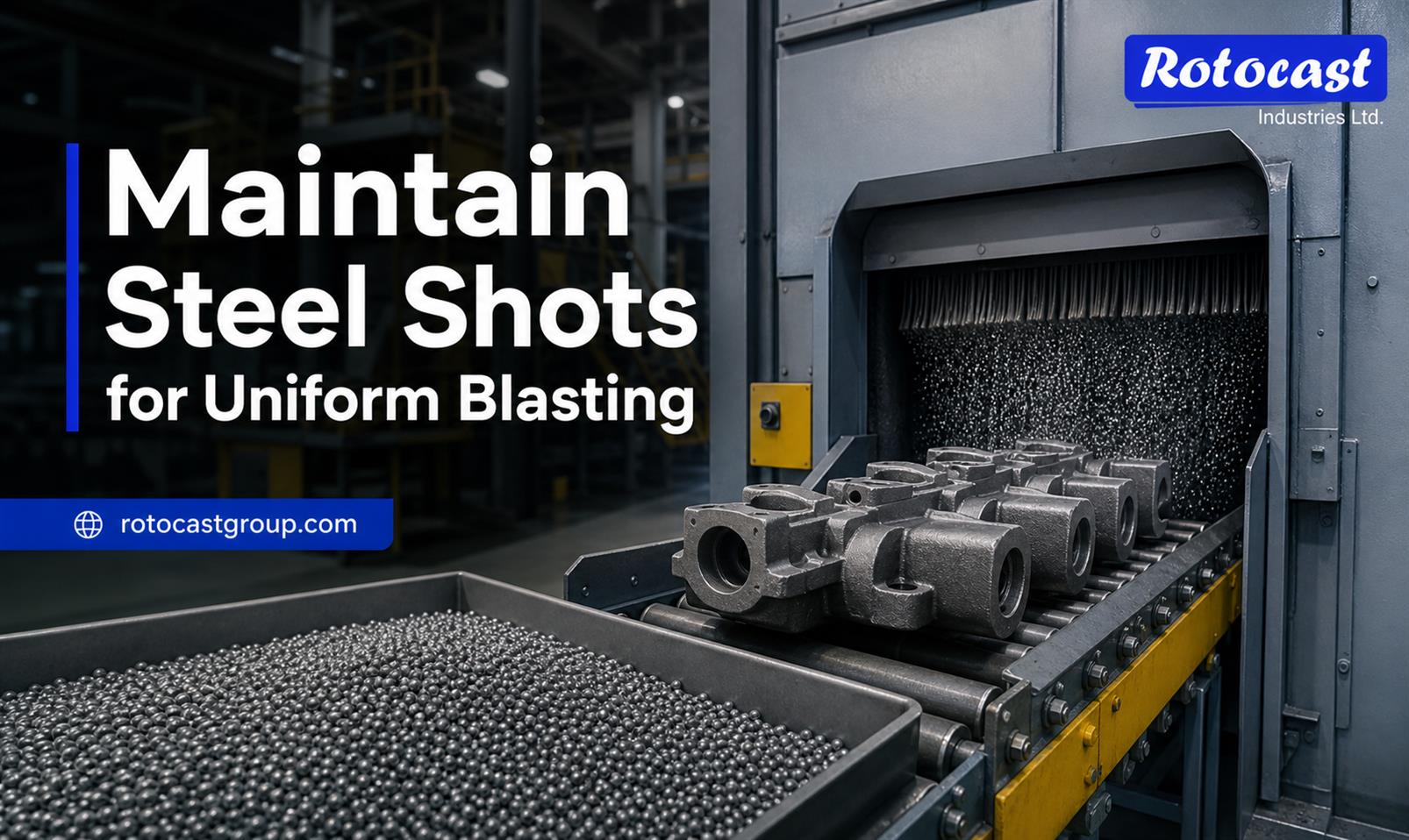
Uniform blasting results do not depend on the blasting machine alone. If steel shot becomes worn, contaminated or poorly controlled, even a well-calibrated blasting line can deliver inconsistent surface finishes.
For high-volume manufacturing operations, maintaining the condition of the abrasive is therefore just as important as maintaining the equipment. Regular monitoring, effective reclamation and timely replenishment can help plants maintain consistent cleaning performance while keeping abrasive consumption under control.
Why Steel Shot Condition Matters in High-Volume Blasting
Steel shot is repeatedly accelerated against metal surfaces during the blasting process. With every cycle, individual particles experience impact and gradually change in size, shape and condition.
A controlled abrasive mix helps deliver predictable impact energy across the workpiece. When the mix contains excessive fines, fractured particles or contaminants, blasting performance can change.
This can affect:
- Cleaning efficiency
- Surface profile
- Surface finish consistency
- Blasting cycle time
- Abrasive consumption
- Dust generation
- Overall process stability
This is particularly important in foundries, forging units, automotive component manufacturing and heavy engineering, where large production volumes require repeatable results from one batch to the next.
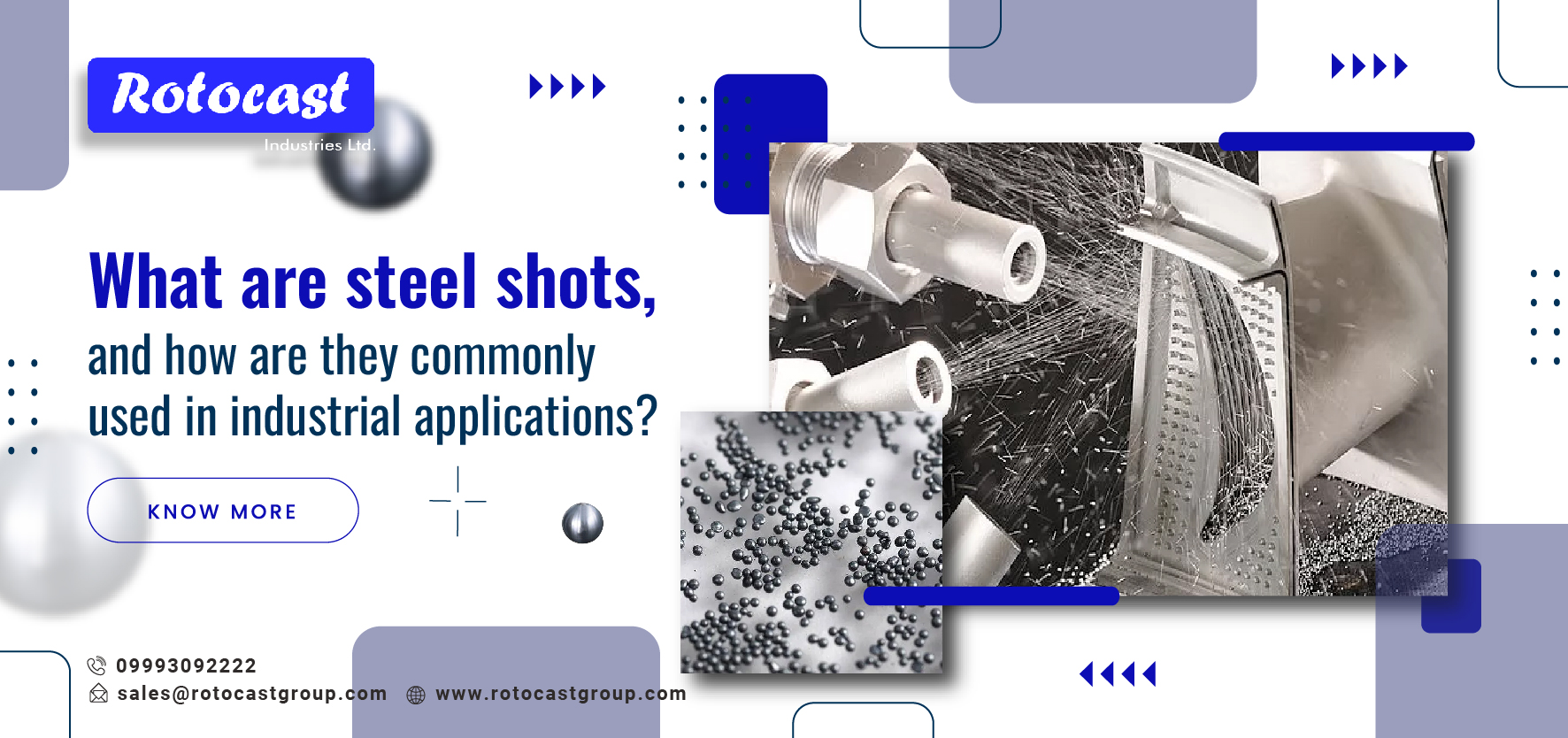
Steel shot is commonly used for cleaning, descaling, deburring and surface preparation because its spherical form provides controlled impact and can support repeated use in suitable blasting systems.
What Happens to Steel Shot During Continuous Blasting?
Steel shot does not remain unchanged throughout its working life. Understanding how it degrades helps operators identify when the abrasive mix needs attention.
Shot Wear
Repeated impact gradually wears individual particles. As particles become smaller, their impact characteristics can change, which may affect the efficiency of the blasting process.
Shot Fracture
Some particles can fracture during repeated impact. Broken particles contribute to the finer portion of the abrasive mix and can behave differently from the original spherical media.
Dust and Fines
As steel shot wears and fractures, fine particles and dust can accumulate. Excessive fines can reduce the effectiveness of the working abrasive mix and place additional demands on the separation and dust-collection systems.
Contamination
Depending on the application, the abrasive system can also collect material removed from components, such as scale, rust, sand, old coatings or other contaminants. If these materials are not effectively separated, they can influence blasting consistency.
7 Practical Ways to Maintain Steel Shot
1. Monitor Abrasive Size Distribution
One of the most important aspects of abrasive maintenance is understanding the size distribution within the working mix.
A blasting system needs an appropriate balance of usable steel shot and smaller particles. As the media wears, the proportion of fines increases. Regular checks can help operators identify changes before they begin affecting production quality.
The required size distribution should always be determined according to the application, equipment and manufacturer’s specifications.
2. Remove Excessive Fines
Effective separation is essential in a high-volume blasting operation.
Fines generated during blasting need to be removed through the machine’s reclamation and separation system. If excessive fines remain in circulation, they can dilute the usable abrasive mix and contribute to dust generation.
Regular inspection of separators, screens and related recovery equipment can help maintain the intended abrasive mix.
3. Control Abrasive Contamination
Contamination can enter the system from the material being blasted. Foundry sand, scale, rust, paint residues and other removed materials may become mixed with the abrasive.
Operators should monitor the reclamation system and investigate sudden changes in dust levels, abrasive consumption or surface finish. The exact contamination-control method will depend on the blasting machine and application.
4. Inspect Steel Shot Regularly
Abrasive condition should be part of routine process monitoring.
Operators can look for changes in:
- Particle size
- Amount of fines
- Dust generation
- Surface finish
- Cleaning efficiency
- Abrasive consumption
Visual inspection alone may not provide a complete picture. Where required, plants should use appropriate testing and process-control methods to assess the abrasive mix.
5. Maintain the Shot Reclamation System
A well-maintained reclamation system plays a central role in abrasive management.
The recovery system separates reusable abrasive from fines, dust and larger contaminants. If separation efficiency falls, unwanted material can remain in circulation.
Regularly checking separators, screens, elevators, ducts and related components can help ensure that the abrasive recovery process continues to work as intended.
6. Replenish Worn Shot at the Right Time
Steel shot is designed for repeated use, but it is not infinitely reusable.
As the working mix changes through wear and fracture, fresh abrasive may need to be added to maintain the desired operating condition. Waiting until blasting quality has already deteriorated can lead to unnecessary production issues.
Replenishment should be based on the application’s requirements, abrasive condition and equipment recommendations rather than on a fixed assumption about media life.
7. Maintain the Blasting Equipment Alongside the Abrasive
Abrasive maintenance cannot compensate for poorly maintained equipment.
Wheel condition, blast pattern, machine settings, loading, airflow and separation performance can all influence results. A sudden change in surface finish should therefore be investigated as a complete process rather than automatically attributed to the steel shot.
A consistent blasting process requires both good-quality abrasive and well-maintained equipment.
How to Know When Steel Shot Needs Attention
High-volume blasting lines often provide early signs when the abrasive system needs inspection.
Watch for:
- Increasing abrasive consumption
- Uneven surface finish
- Longer blasting cycles
- Excessive dust generation
- Increased fines in the abrasive mix
- Changes in cleaning efficiency
- Inconsistent surface profile
- Abnormal wear in the blasting system
These indicators do not necessarily point to abrasive degradation alone. Machine settings, wheel condition, blast coverage, component loading and reclamation performance should also be checked.
Keeping process records can help production teams identify whether a change is temporary or part of a longer-term trend.
The Role of Abrasive Recycling in High-Volume Blasting
One of the key advantages of steel shot is its suitability for recovery and reuse in many automated blasting applications. However, recycling only works effectively when the abrasive reclamation system maintains the right separation between usable media and unwanted material.
The objective is not simply to keep as much abrasive as possible in circulation. It is to maintain an appropriate working mix.
An effective reclamation process should help:
- Recover usable steel shot.
- Remove fines and dust.
- Separate process contaminants.
- Maintain the intended abrasive size distribution.
- Support consistent blasting performance.
Poor separation can allow worn media and contaminants to circulate, while excessive removal of usable abrasive can increase consumption. This is why reclamation-system performance should be monitored as part of routine blasting-line maintenance.
Steel Shot Maintenance and Surface Finish Consistency
The relationship can be viewed simply:
Abrasive condition → Impact behaviour → Cleaning → Surface preparation → Final finish
When the abrasive condition changes, the impact behaviour can also change. That can influence how quickly contaminants are removed and how consistently a surface is prepared.
This matters across applications such as automotive components, foundry castings, forgings and heavy engineering products. In high-volume operations, even small variations can become significant when repeated across thousands of components.
The right steel shot quality, size and hardness must therefore be combined with appropriate machine settings and abrasive management. Rotocast’s technical guidance also highlights the importance of shot size, hardness and quality in achieving consistent blasting and surface-finish results.
Common Steel Shot Maintenance Mistakes to Avoid
Even well-managed blasting lines can develop problems when abrasive maintenance becomes reactive rather than routine.
Common mistakes include:
- Running abrasive for too long without monitoring its condition
- Ignoring excessive fines
- Failing to check separator performance
- Using an unsuitable abrasive size for the application
- Treating abrasive replacement as a one-time activity
- Focusing only on machine maintenance
- Ignoring changes in surface finish
- Not maintaining process or consumption records
A preventive approach is usually more useful than waiting for visible quality problems before investigating the abrasive system.
Choosing the Right Steel Shot for High-Volume Blasting
Abrasive maintenance starts before the blasting machine is switched on. Selecting the right media for the application can make ongoing process control easier.
The choice of steel shot should consider:
- Material being treated
- Required surface finish
- Blasting equipment
- Operating conditions
- Production volume
- Cleaning requirements
- Required surface profile
- Applicable quality specifications
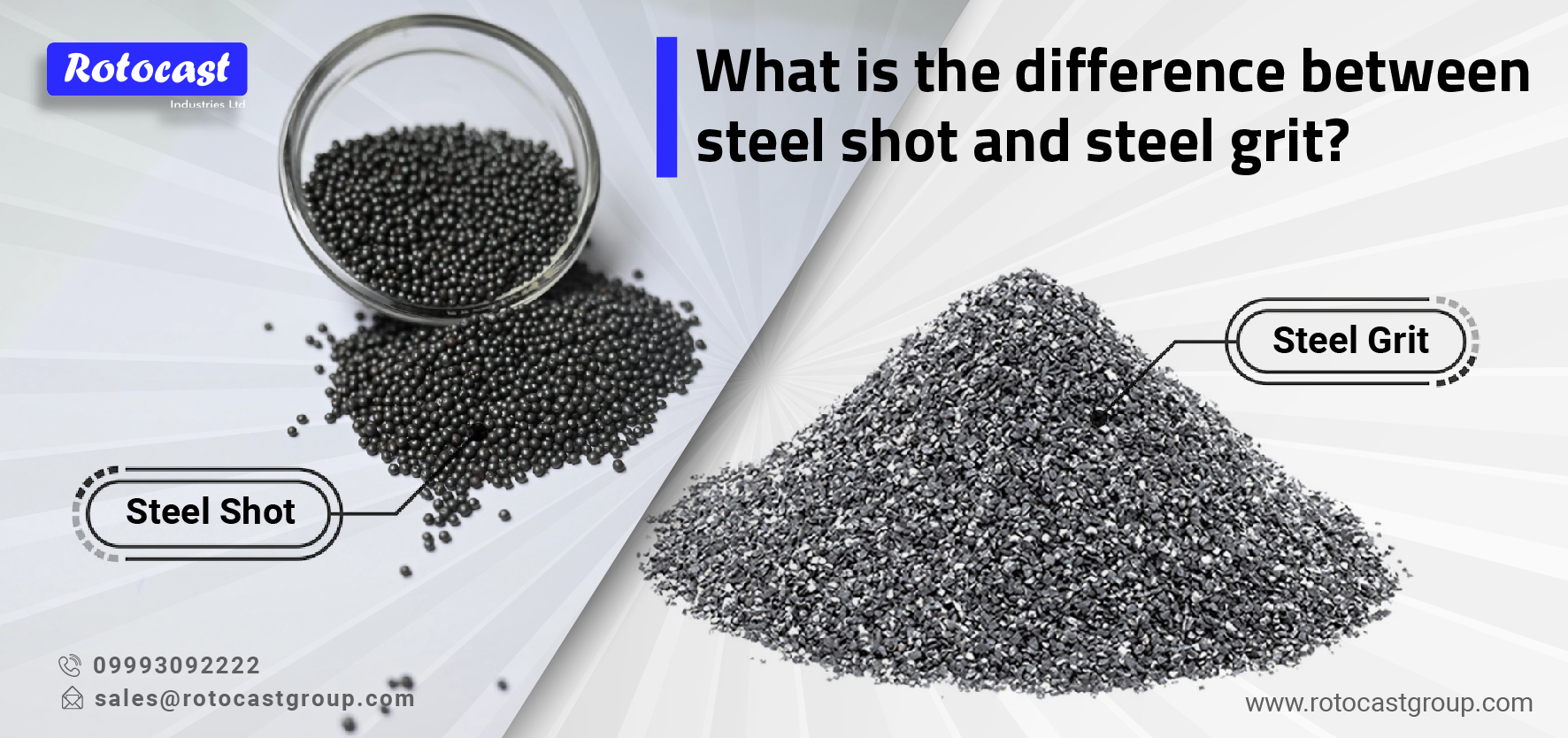
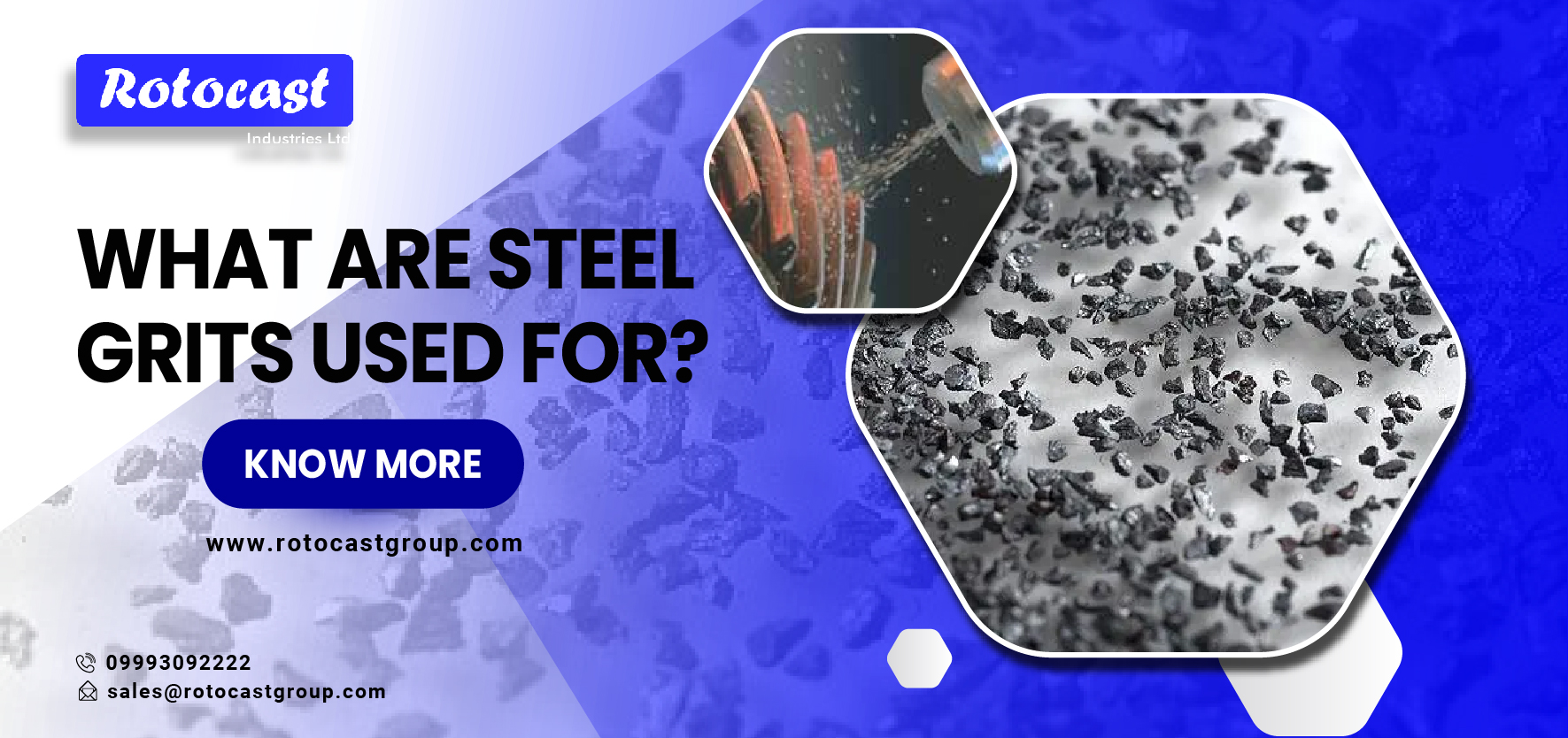
Steel shot and steel grit are not interchangeable in every application. Steel shot has a spherical form, while steel grit is angular and is generally selected when more aggressive cutting or surface preparation is required.
For high-volume operations, consistency in abrasive characteristics is particularly important because the media is expected to perform repeatedly under demanding production conditions.
Why Work With an Experienced Steel Shot Manufacturer?
Selecting a Steel Shot Manufacturer should involve more than comparing price per kilogram.
Industrial buyers should evaluate:
- Product consistency
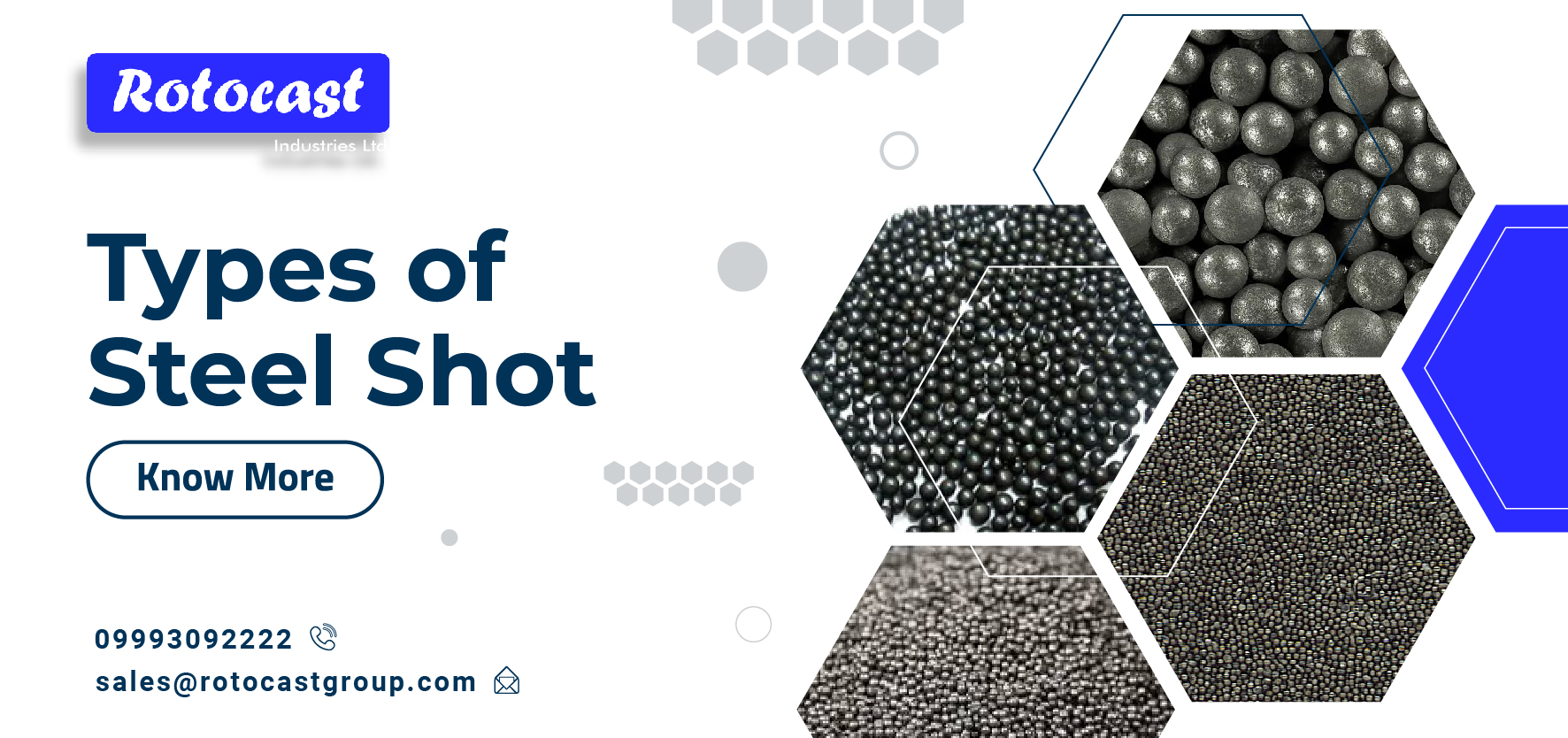
- Available sizes and grades
- Quality-control practices
- Relevant specifications
- Application knowledge
- Supply reliability
- Technical support
- Ability to understand specific blasting requirements
Rotocast Industries Ltd. has been manufacturing steel shot and steel grit for industrial applications for decades. The company states that it serves sectors including automotive components, cement, steel, mining, engineering, foundry and forging, and maintains quality controls for its steel shot, steel grit and other products.
Its current product range includes steel shot and steel grit, along with other industrial products, while its surface-blasting solutions are intended for applications including rust, scale, sand and paint removal, deburring and surface preparation.
For plants running high-volume blasting lines, working with an experienced abrasive manufacturer can help ensure that media selection and process requirements are considered together.
Conclusion
Maintaining steel shot is not simply about extending abrasive life. It is about maintaining process consistency.
Regularly monitoring the abrasive mix, removing fines, controlling contamination, maintaining reclamation equipment and replenishing worn media can help high-volume blasting operations achieve more predictable results. At the same time, abrasive maintenance should always be considered alongside machine condition, operating parameters and production requirements.
For manufacturers where surface quality and production consistency matter, the right steel abrasive is an important part of the process.
Looking to improve consistency in your high-volume blasting operation? Connect with Rotocast Industries Ltd. to discuss the right steel shot or abrasive solution for your application.