- Rotocast
- Nov 9, 2026
- Blogs, Shot Blasting, Steel Abrasives, Surface Preparation
- 0 Comments
What if the biggest difference in your blasting results comes down to one simple detail—the shape of the abrasive?
In industrial surface preparation, choosing the right abrasive is not just about removing rust or cleaning metal. It directly influences surface texture, coating adhesion, processing time, and abrasive consumption.
Two widely used metallic abrasives, Steel Shot and Steel Grit, may be made from similar materials, but their distinctly different shapes produce different results.
One is round and delivers a controlled impact. The other is angular and provides a more aggressive cutting action.
Understanding these differences can help foundries, automotive manufacturers, fabrication units, and heavy engineering industries select the right blasting media.
What Makes Steel Shot and Steel Grit Different?
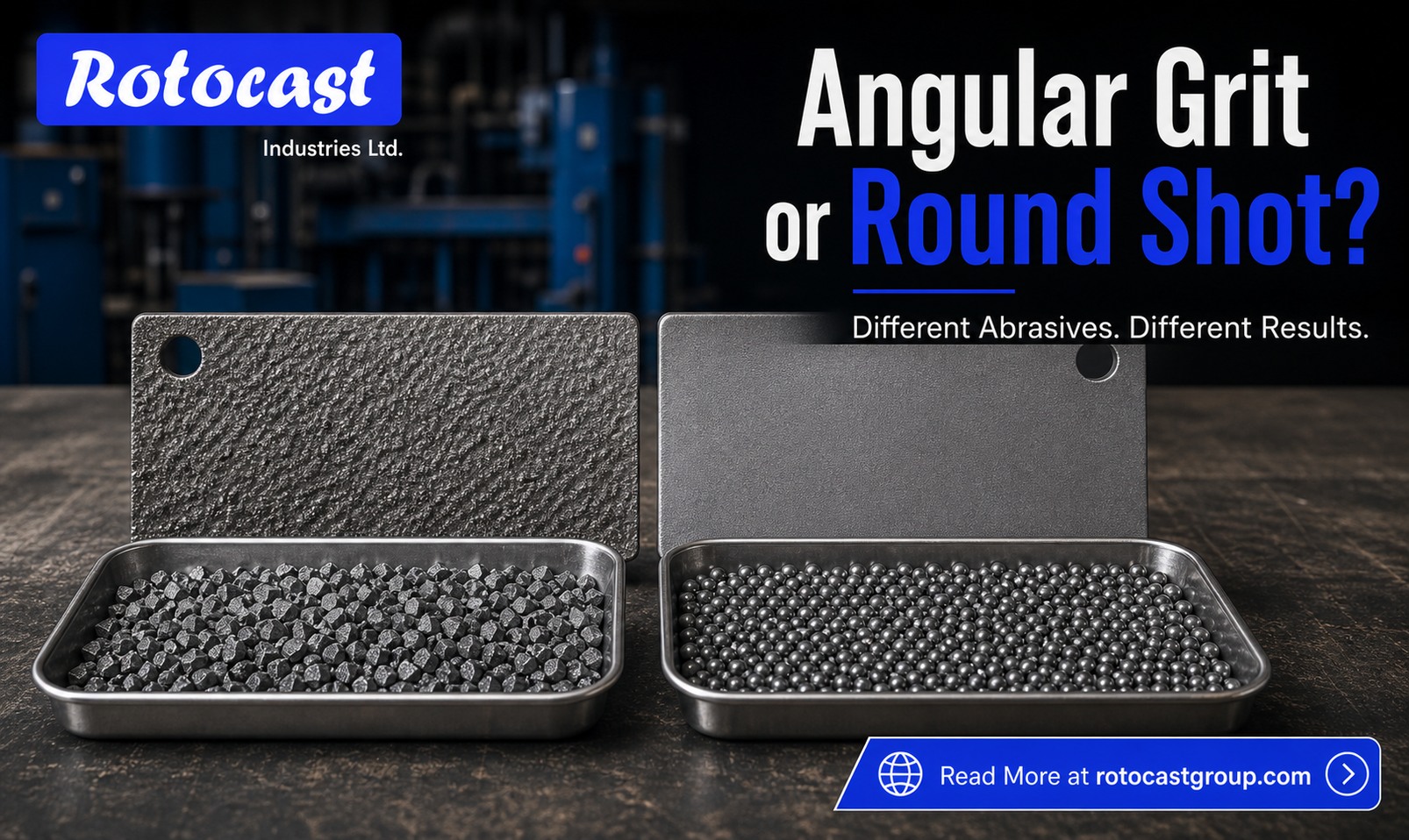
The fundamental difference between these two abrasives is their particle geometry.
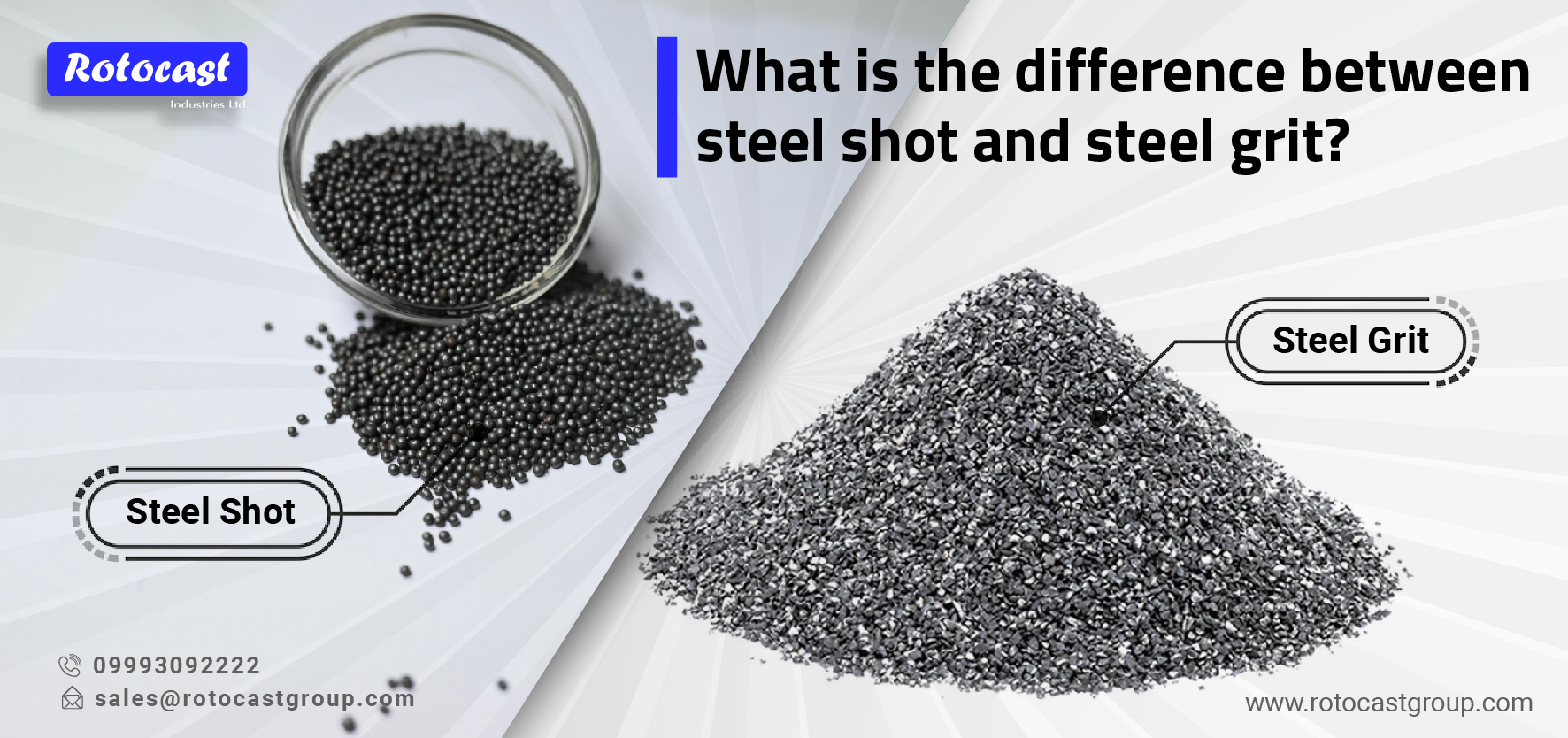
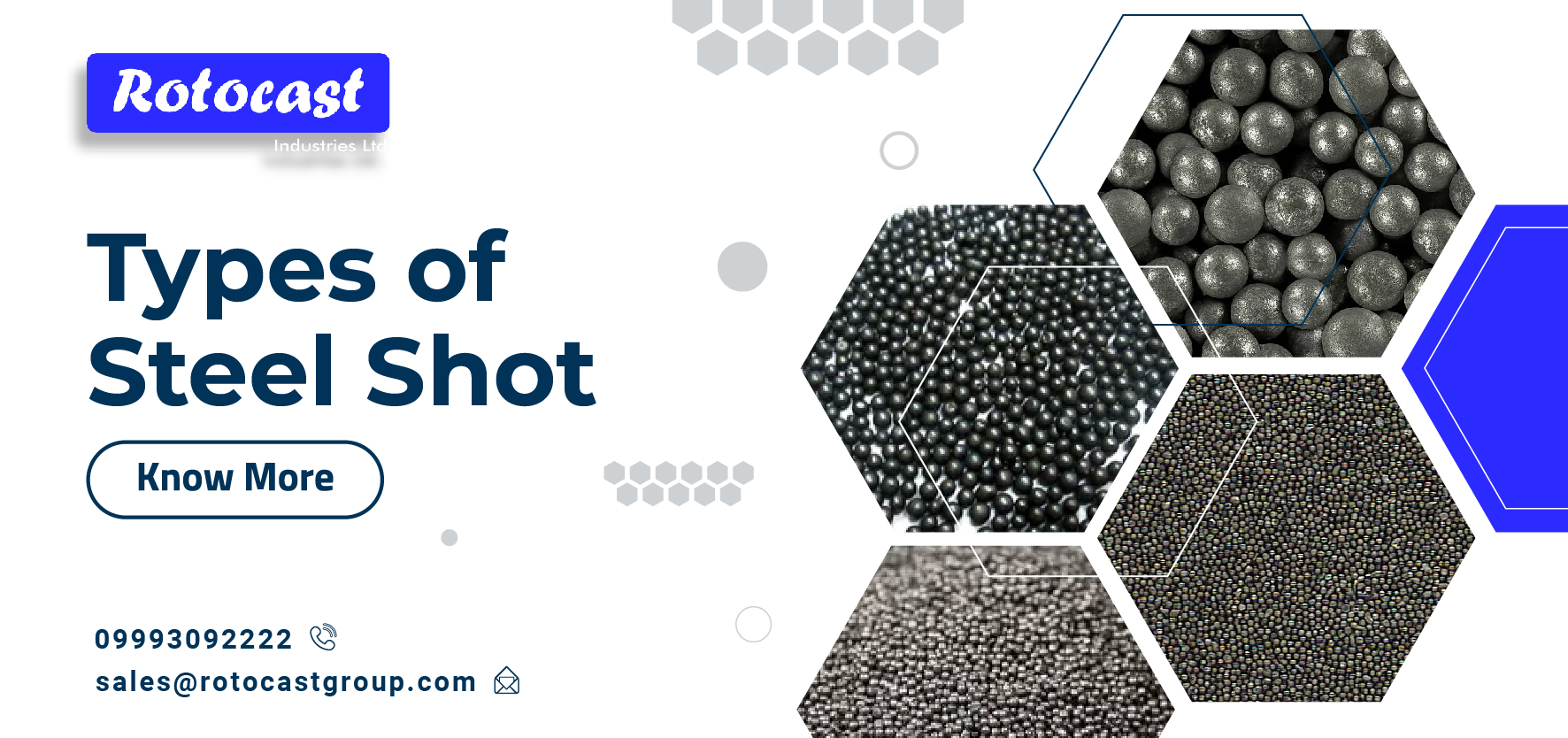
Steel Shot consists of predominantly spherical particles that strike metal surfaces with repeated impacts. Their rounded shape distributes impact forces without the sharp cutting action of angular abrasives.
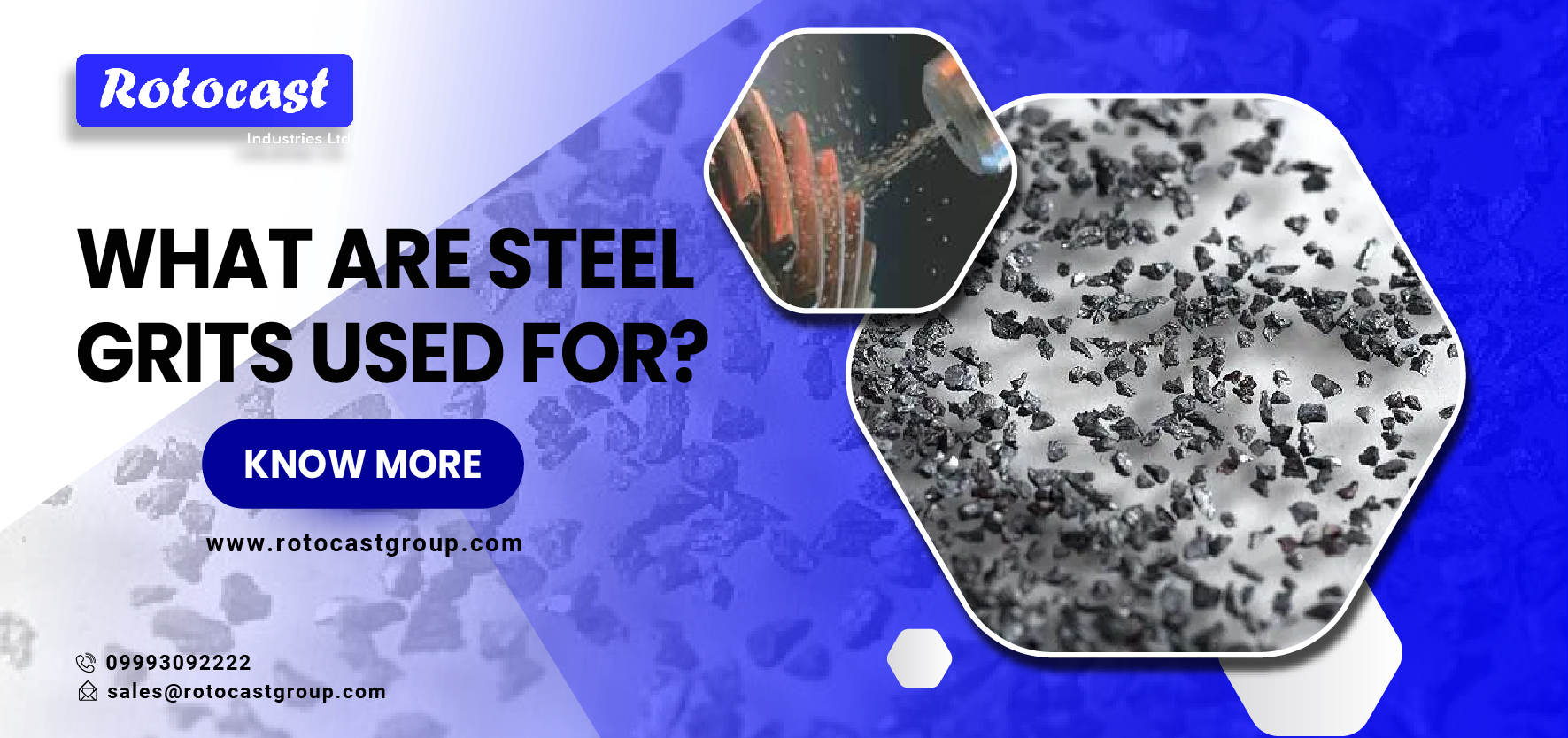
Steel Grit, on the other hand, consists of irregular, angular particles with sharp edges. These edges cut into surface contaminants and help create a rougher surface profile.
Think of it this way: round particles act like tiny hammers, while angular particles act more like miniature cutting tools.
Neither abrasive is universally better. Their effectiveness depends on the surface condition and the desired finishing result.
Round Steel Shot: When Uniform Impact Matters
Round Steel Shot is commonly selected for cleaning castings, forgings, and other metal components where controlled impact and a relatively uniform surface appearance are important.
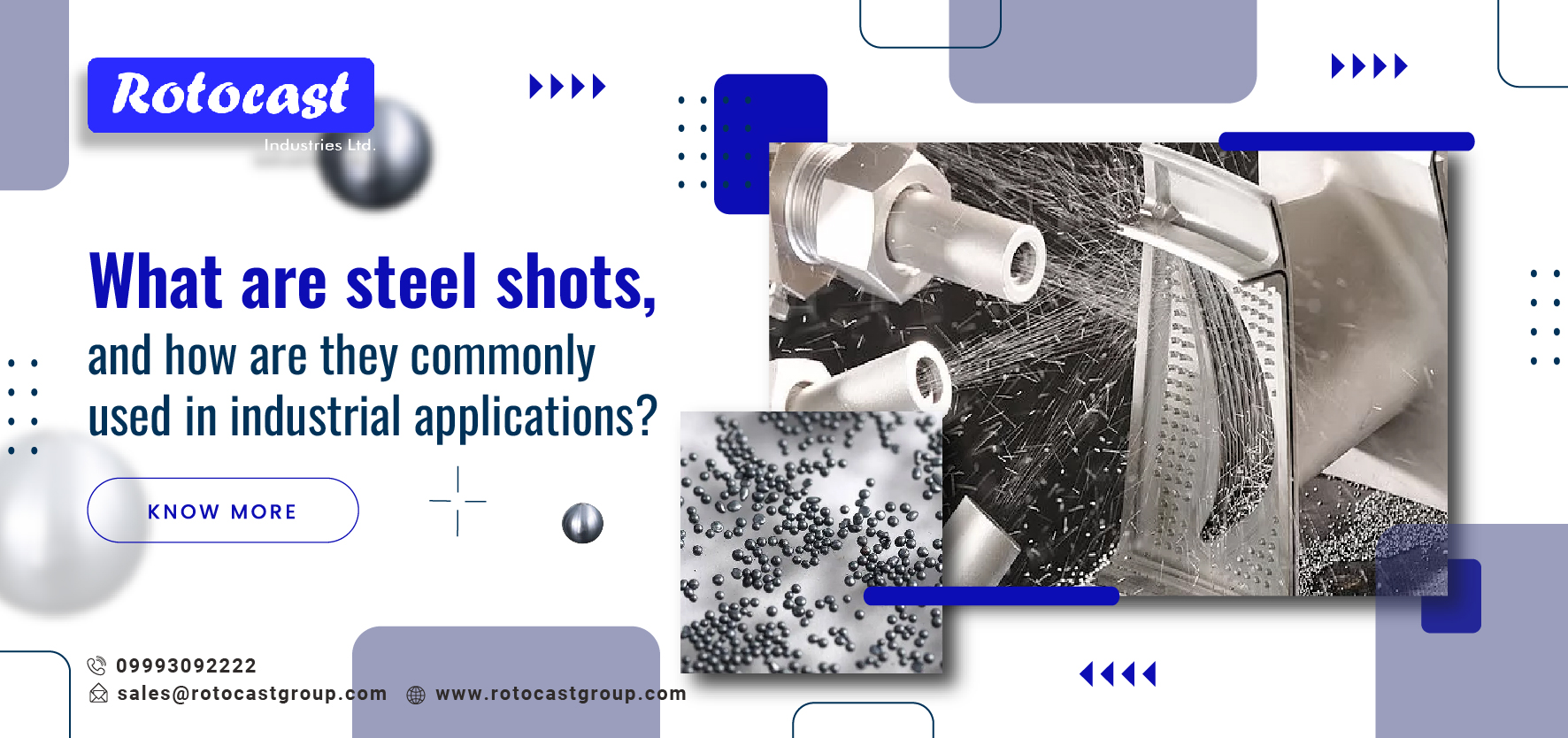
During shot blasting, spherical particles repeatedly strike the metal surface, dislodging sand, scale, and other unwanted material.
Unlike angular particles, they tend to leave a more rounded surface texture.
Where Steel Shot Works Best
1. Foundry Cleaning
Shot blasting removes adhering sand and residues from metal castings, helping prepare components for inspection or subsequent finishing.
2. Shot Peening
In shot peening, Steel Shots are propelled against a metal surface to introduce beneficial compressive residual stresses. Under properly controlled conditions, this process can improve fatigue resistance.
3. Forging Cleaning
Steel shot helps remove scale from forged components while providing a comparatively uniform impact pattern.
4. General Surface Finishing
When a smoother and more consistent blasted appearance is preferred, properly selected spherical media can be a suitable option.
Important: Round does not mean ineffective. The correct shot size, hardness, and blasting intensity can deliver substantial cleaning performance without relying on sharp edges.
Angular Steel Grit: When Aggressive Cleaning Is Essential
When rust, stubborn mill scale, or old coatings need to be removed, angular abrasive media often becomes the preferred choice.
Steel Grit is manufactured by crushing hardened steel shot, followed by screening and heat treatment to achieve the required characteristics.
Its irregular edges produce a cutting action that can remove contaminants and create the surface profile needed for subsequent coating applications.
Where Steel Grit Works Best
1. Rust and Scale Removal
Angular particles can penetrate and dislodge strongly adhered surface contaminants.
2. Surface Preparation Before Painting
A controlled roughness profile helps provide the mechanical anchoring required by many industrial coating systems.
3. Structural Steel Cleaning
Steel grit is commonly used for preparing beams, plates, and fabricated steel structures before protective finishing.
4. Pipe Coating Preparation
It can create the surface profile needed before applying specified protective coatings.
5. Stone Cutting
Specially selected grades of Steel Grits are also used in cutting hard stones, including granite.
However, aggressive cutting is not always desirable. Excessive roughness or unsuitable grit hardness can create additional finishing requirements.
Why the Wrong Abrasive Can Increase Blasting Costs
Choosing blasting media solely by purchase price can be misleading.
Consider a component that requires a specified roughness profile before coating. If the selected abrasive does not create that profile efficiently, the operator may need additional blasting passes.
Similarly, using highly aggressive grit on a component requiring gentler cleaning may result in unwanted surface roughness.
Both situations can affect operating costs.
The consequences may include increased blasting time, higher abrasive consumption, additional machine wear, unnecessary rework, and inconsistent surface finishing.
A better approach is to consider the total blasting cost per finished component rather than only the initial abrasive price.
This involves reviewing media consumption, cleaning efficiency, equipment condition, and the quality of the resulting surface.
Steel Shot vs Steel Grit: Which Should You Choose?
The correct selection depends on the final surface requirement.
Choose Steel Shot when:
You need general casting cleaning, forging cleaning, a comparatively uniform blasted finish, or controlled shot peening.
Choose Steel Grit when:
You need aggressive rust removal, heavy scale cleaning, surface roughening, or preparation for a coating system requiring a defined surface profile.
Consider both where appropriate:
Some industrial operations may use different abrasives at separate processing stages or a carefully controlled mixed-media approach.
However, compatibility with the blasting equipment and required finish must always be checked.
For a Steel Casting Foundry, abrasive selection becomes particularly important because component geometry, contamination, and surface quality requirements can vary significantly.
Rotocast Industries Ltd. also manufactures Steel Casting products, giving industrial customers access to both casting and steel abrasive product ranges.
Beyond Shape: Four Factors That Influence Blasting Performance
Particle shape matters, but it is not the only factor affecting results.
1. Abrasive Size
Larger particles generally deliver greater impact energy, while smaller particles can provide denser coverage and may reach finer surface features.
2. Abrasive Hardness
Hardness influences cutting action, wear, and media durability. The ideal hardness depends on the component and blasting conditions.
3. Equipment Configuration
Blast pressure, wheel speed, nozzle condition, separation efficiency, and exposure time influence the final result.
4. Surface Finish Requirements
A surface prepared for painting may require a different roughness profile from one being cleaned for inspection or treated through shot peening.
Therefore, selecting an abrasive requires understanding both the media and the intended application.
Why Choose Rotocast Industries Ltd. for Steel Abrasives?
Choosing the right manufacturing partner is just as important as selecting the right abrasive.
Rotocast Industries Ltd. is an established Steel Abrasives Manufacturer in India, supplying steel shot and steel grit for industrial applications.
With four decades of manufacturing experience, the company supports foundries, forging units, automotive manufacturers, engineering industries, and steel fabrication businesses.
Rotocast offers standard and premium abrasive ranges, along with different grades and hardness options suited to specific surface preparation requirements.
Its product portfolio includes spherical steel shot, angular steel grit, and specialized abrasive solutions.
Whether your priority is consistent cleaning, controlled finishing, or aggressive surface preparation, choosing the appropriate abrasive grade is an essential first step.
Frequently Asked Questions
Is Steel Grit Better Than Steel Shot?
Not necessarily. Steel grit is generally preferred when aggressive cutting and surface profiling are needed. Steel shot is commonly preferred for uniform cleaning and shot peening. Performance depends on the application.
Can Steel Shot Remove Rust?
Yes. Steel shot can remove rust and scale in suitable blasting conditions. However, heavily contaminated surfaces or demanding coating profiles may benefit from angular steel grit.
Which Abrasive Is Better Before Painting?
Steel grit is frequently used when a pronounced surface profile is required. The final choice should follow the coating manufacturer’s surface preparation specifications.
Does Abrasive Hardness Matter More Than Shape?
Both matter. Shape influences how particles contact a surface, while hardness affects their cutting behavior and durability. Size and operating conditions are equally important.
Final Thoughts: The Right Shape Creates the Right Finish
Steel Shot vs Steel Grit is not simply a choice between round and angular particles. It is a decision about surface quality, process efficiency, and the results your application requires.
Round steel shot offers controlled impact and uniform cleaning. Angular steel grit provides stronger cutting action for demanding surface preparation.
The most effective solution is the abrasive that meets your required finish while maintaining a practical balance between performance, consumption, and cost.
Looking for the right Steel Shot or Steel Grit for your application?
Connect with Rotocast Industries Ltd. to discuss product grades, technical requirements, and industrial abrasive enquiries.