- Rotocast
- Nov 4, 2026
- Blogs, Shot Blasting, Steel Abrasives, Surface Preparation
- 0 Comments
How many times can a single steel shot particle strike a metal surface before it becomes ineffective? Is it 500 cycles, 1,500 cycles, or even more?
The answer could significantly influence your manufacturing costs.
In industrial shot blasting, Steel Shot is designed to withstand repeated impacts. However, its durability is not unlimited. As abrasive particles wear down, manufacturers may experience increased media consumption, inconsistent surface finishing, higher dust generation, and unnecessary production expenses.
A published Rotocast technical guide cites an indicative lifespan of approximately 1,500–2,000 cycles for steel shot. However, actual performance depends on abrasive quality, machine settings, operating conditions, and how lifespan is measured.
Understanding these factors helps manufacturers make better decisions about abrasive selection, replacement, and overall blasting efficiency.
What Does Steel Shot Lifespan Actually Mean?
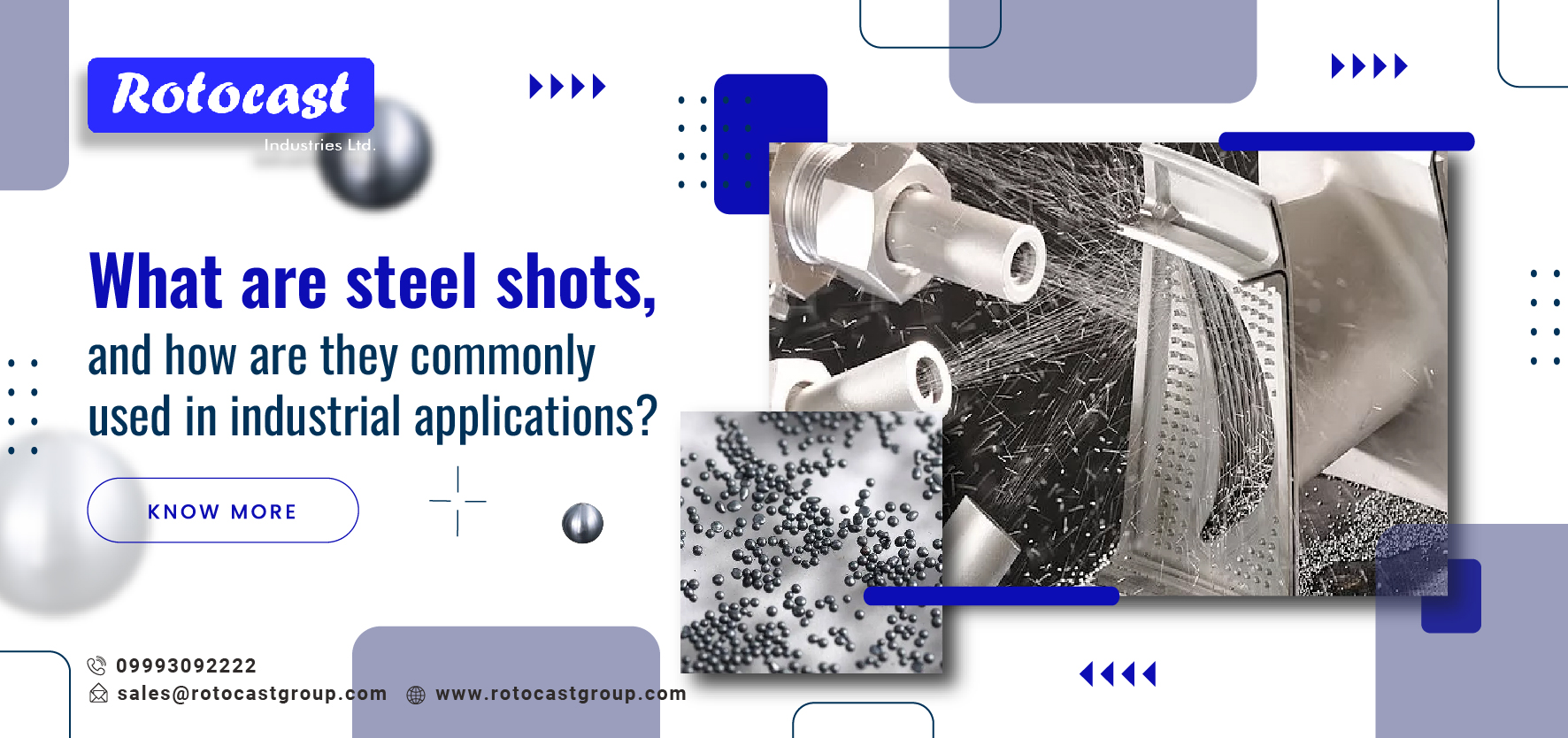
Steel shot lifespan refers to the ability of abrasive particles to withstand repeated impacts before they become too small, fractured, or worn to perform effectively.
Unlike many single-use blasting materials, metallic abrasives can be recovered and reused in suitable closed-loop systems.
High-quality Steel Shot is manufactured with controlled particle shape, hardness, and microstructure to support repeated blasting operations.
However, there is an important distinction between laboratory durability testing and actual production life.
Laboratory cycle life: Standardized testing methods, such as those described in SAE J445, evaluate abrasive breakdown under controlled conditions.
Operational service life: In a manufacturing plant, usable abrasive life depends on the blasting equipment, separation system, workpiece properties, and media-replenishment practices.
Therefore, a published cycle count should never be treated as a universal guarantee.
How Many Blasting Cycles Should Steel Shot Last?
The frequently quoted range of 1,500–2,000 cycles can provide a starting reference, but it does not define the expected lifespan of every steel shot grade.
Different products may demonstrate different durability characteristics depending on their material composition and manufacturing process.
Moreover, laboratory test cycles should not be directly interpreted as the number of times each particle passes through a production blasting machine.
During regular operation, the working abrasive mix contains particles at different stages of wear. Some remain suitable for further use, while smaller or broken particles are removed through separation.
This means abrasive replacement normally happens progressively rather than after a fixed number of cycles.
The key question is not simply how many cycles your steel shot survives. It is how efficiently it continues to clean or finish components throughout its working life.
6 Factors That Determine Steel Shot Lifespan
1. Steel Quality and Microstructure
Not all steel abrasives are manufactured with identical internal structures.
Chemical composition, heat treatment, and particle integrity influence how well an abrasive withstands repeated impacts.
Particles containing defects or inconsistent structures may fracture prematurely, increasing the quantity of unusable fines.
Rotocast manufactures high-performance Steel Shots under the TUFF product range using controlled steel refining, micro-alloying, and heat-treatment processes.
These manufacturing considerations are particularly important in demanding industrial blasting operations.
2. Abrasive Hardness
Hardness plays a significant role in blasting performance, but harder does not automatically mean longer-lasting.
Abrasives with higher hardness may deliver more aggressive cleaning action, depending on the application. However, excessive hardness relative to operating conditions can also increase the risk of particle fracture.
The objective is to select a suitable balance between hardness, toughness, cleaning efficiency, and wear resistance.
3. Particle Size and Shape
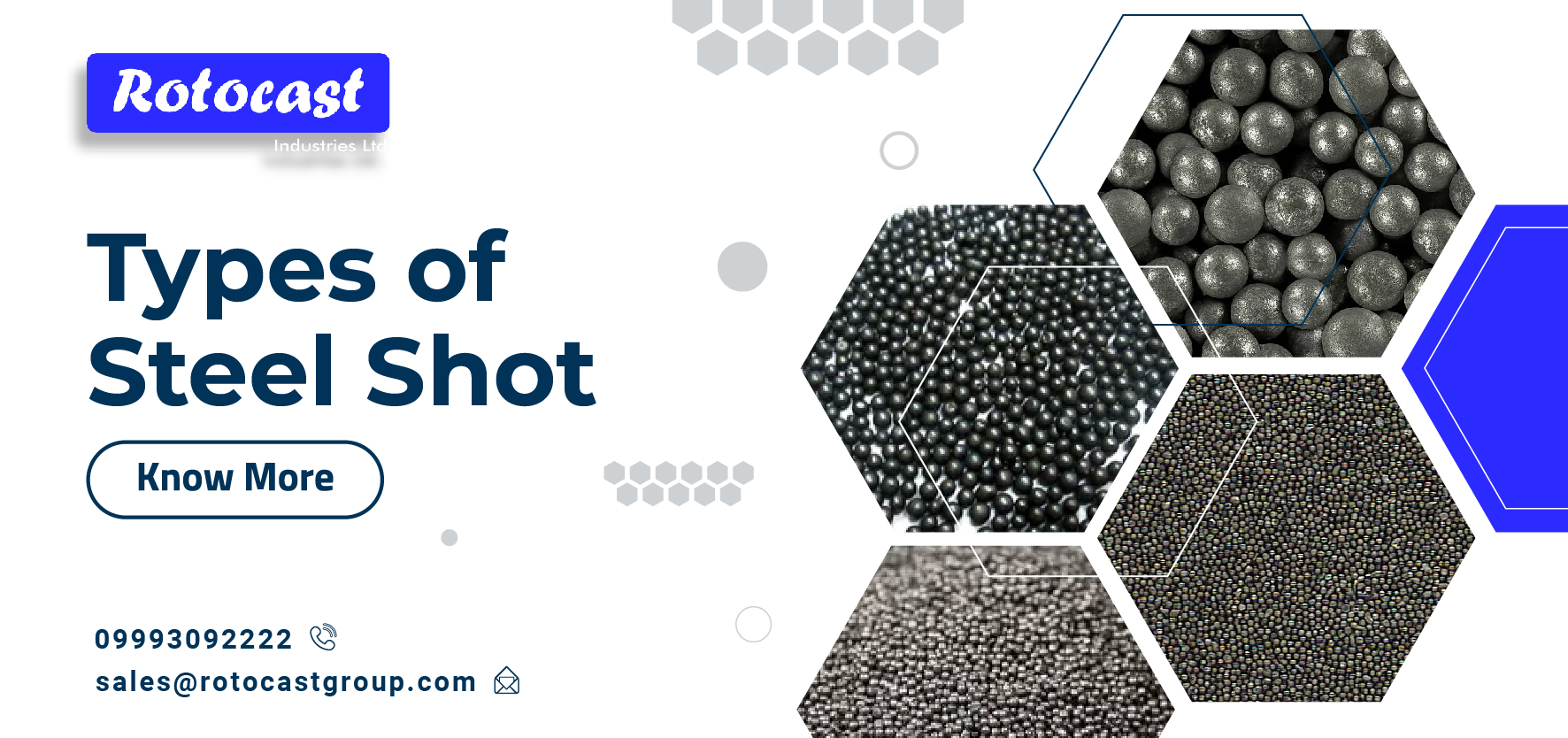
Round and properly graded steel shot supports uniform impact characteristics.
As particles repeatedly strike surfaces, their size can gradually decrease. Some particles also fracture, changing the characteristics of the working abrasive mixture.
If the abrasive becomes too fine for the intended application, blasting efficiency may decline.
Maintaining the correct particle-size distribution is therefore essential for consistent surface treatment.
4. Blasting Velocity and Machine Settings
Operating conditions directly influence abrasive wear.
Excessive blast-wheel speed, unsuitable blast angles, poorly maintained equipment, or inappropriate air pressure can increase the forces experienced by abrasive particles.
Even high-quality steel shot may wear faster when machine settings are not aligned with the application.
Regular equipment inspections and proper parameter selection can help maintain more predictable performance.
5. Abrasive Recovery and Separation
An efficient recovery system separates reusable shot from dust, contaminants, and undersized particles.
If separators or screens are poorly maintained, worn particles may continue circulating through the blasting process.
This can negatively affect cleaning consistency, abrasive performance, and dust collection.
Maintaining the recovery system helps preserve a suitable working mix while reducing avoidable material losses.
6. Workpiece Material and Application
The surface being blasted also influences abrasive behavior.
Cleaning hard, heavily scaled components can create different operating demands from finishing relatively smooth metal surfaces.
For a Steel Casting foundry, abrasive selection may depend on casting hardness, adhered sand, surface contamination, component geometry, and the required final finish.
Matching the abrasive to the workpiece is often more valuable than chasing a particular advertised cycle count.
Steel Shot vs Steel Grit: Does One Last Longer?
Steel shot and steel grit serve different purposes in surface preparation.
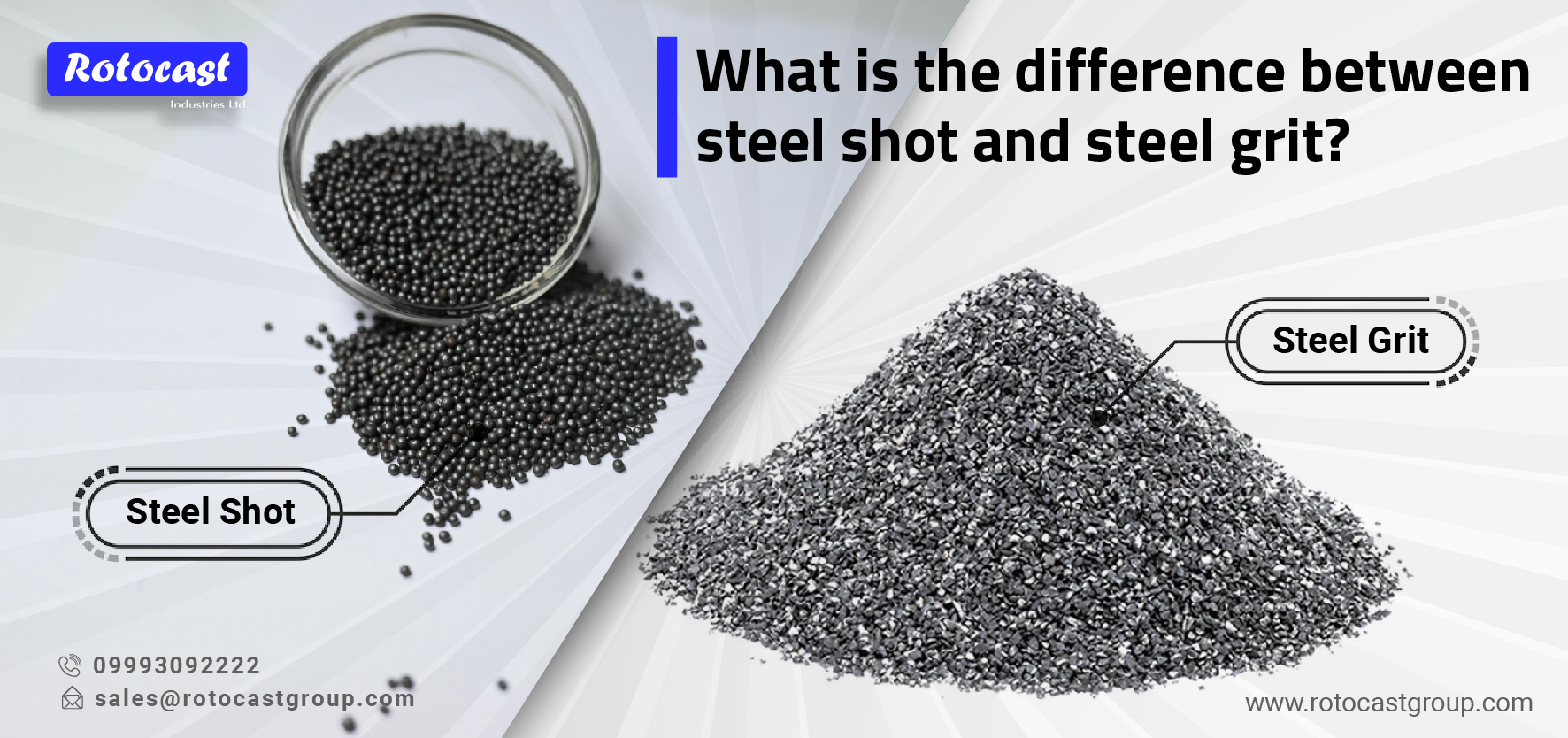
Steel shot consists primarily of rounded particles suited to cleaning, smoothing, and shot-peening applications.
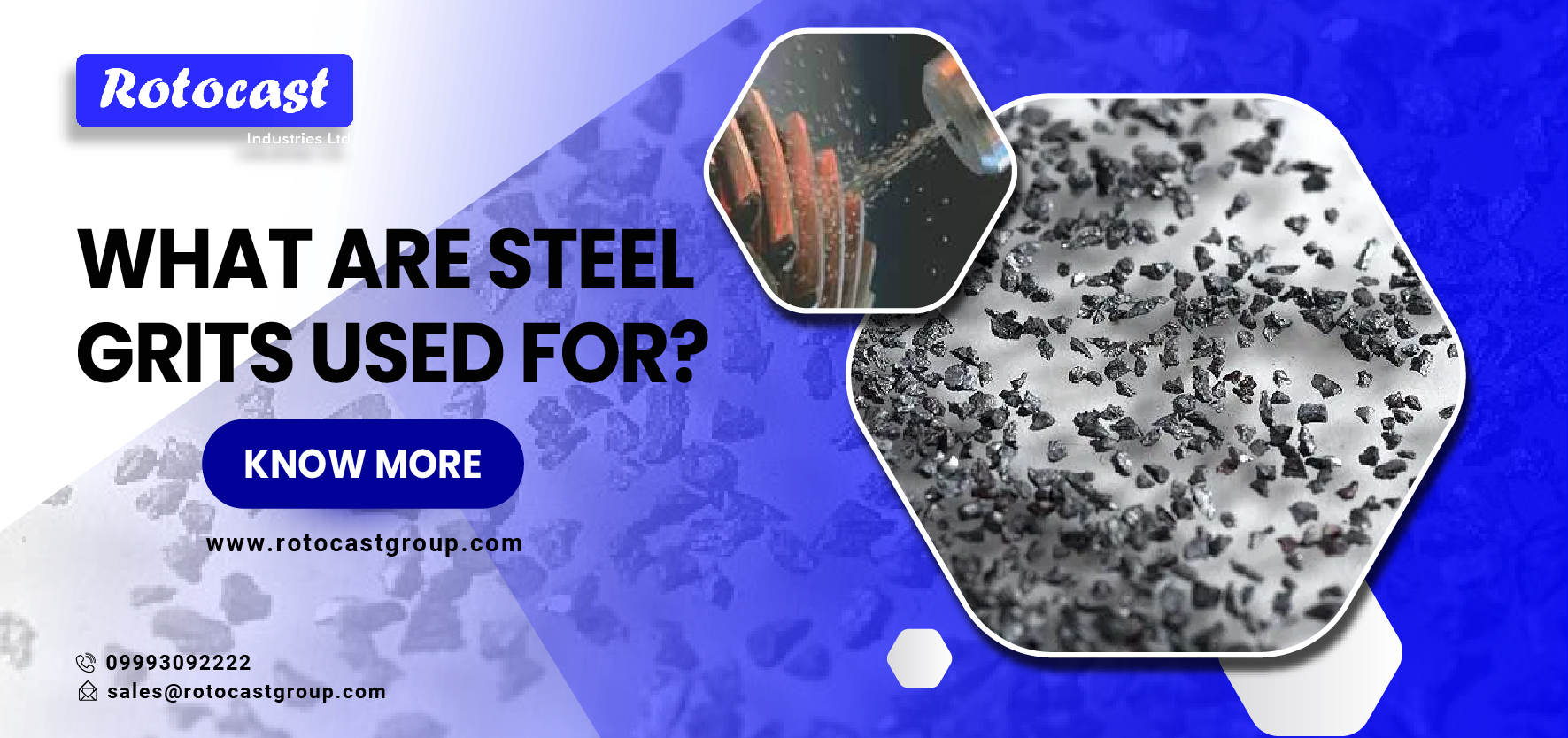
In contrast, Steel Grit consists of angular particles designed for more aggressive cleaning and surface profiling.
The angular geometry of Steel Grits makes them useful for removing stubborn scale, corrosion, and coatings.
However, the relationship between particle shape and lifespan is not straightforward. Both types experience wear and breakdown, and their comparative durability depends on hardness, material quality, and operating conditions.
Selecting the correct abrasive requires evaluating the surface finish required, the time needed to achieve it, and the quantity of media consumed.
Longer abrasive life is valuable only when the media continues to deliver the required surface result.
5 Warning Signs Your Steel Shot Is Wearing Out Too Quickly
Premature abrasive deterioration often becomes visible before a manufacturer identifies the underlying cause.
Increasing abrasive consumption: If fresh shot must be added more frequently without a corresponding increase in production, the working mix may be breaking down faster than expected.
Excessive dust generation: More fine particles can indicate increased abrasive wear, although dust may also originate from contaminants or the workpiece.
Inconsistent surface finish: Worn particles or changes in particle-size distribution may affect the uniformity of cleaning and finishing.
Longer blasting time: When the abrasive mix loses effectiveness, operators may need additional exposure to achieve the desired result.
Higher operating costs: Increased media replenishment, waste handling, equipment wear, and production delays may collectively raise the cost of blasting.
These signs should trigger a review of both the abrasive and the equipment rather than an immediate assumption that the media itself is defective.
How Can Manufacturers Measure Steel Shot Performance?
A reliable evaluation should combine abrasive testing with actual production records.
Start by establishing a consistent baseline for your shot blasting operation.
Record the quantity of fresh abrasive added during a defined production period. Compare that quantity with the output achieved, such as tonnes of castings cleaned, components processed, or square metres of surface treated.
Then examine the working media regularly.
Check particle-size distribution, broken-particle content, dust generation, and cleanliness. Where appropriate, request standardized durability-test information from your abrasive supplier.
Also monitor the surface result. A lower consumption rate does not necessarily represent an improvement if the blasting process becomes slower or produces an unacceptable finish.
A practical performance indicator is:
Abrasive Consumption Rate = Fresh Abrasive Added (kg) ÷ Acceptable Production Output
For example, a foundry may measure kilograms of abrasive consumed per tonne of acceptable castings cleaned.
Tracking this figure consistently makes it easier to compare abrasive grades and identify changes in operational efficiency.
Why Buying the Cheapest Steel Shot Can Cost More
Abrasive purchasing decisions are often made using the price per kilogram.
However, the lowest purchase price does not necessarily produce the lowest operating cost.
Consider two blasting media options.
One may have a lower initial price but require frequent replenishment, generate more fines, or take longer to achieve the required surface finish.
Another may have a higher purchase price but offer better consumption efficiency and more consistent cleaning under the same operating conditions.
The better choice depends on the total cost of producing an acceptable finished component.
Manufacturers should evaluate abrasive consumption, cleaning time, equipment condition, waste handling, and quality-related rework together.
This approach shifts the buying decision from cost per kilogram to cost per acceptable finished part.
How Rotocast Industries Ltd. Supports Better Abrasive Performance
Selecting the right abrasive requires an understanding of both material properties and industrial blasting requirements.
Rotocast Industries Ltd., an established Steel Abrasives Manufacturer, manufactures steel shot and steel grit for applications involving casting, forging, surface cleaning, shot peening, and industrial surface preparation.
With decades of manufacturing experience, Rotocast offers different abrasive grades and product options to suit varied operating requirements.
Its regular and high-performance abrasive ranges allow manufacturers to consider factors such as particle shape, hardness, application suitability, and expected wear characteristics.
Whether your priority is uniform casting cleaning, surface preparation before coating, or managing abrasive consumption, choosing a suitable grade and maintaining the blasting process are essential steps toward reliable performance.
Frequently Asked Questions
Should Steel Shot Be Replaced After 2,000 Cycles?
Not necessarily. The appropriate replacement frequency depends on abrasive condition, actual machine performance, and the measurement method used. In a recycling system, worn particles are normally removed and replaced progressively.
Does Harder Steel Shot Always Last Longer?
No. Hardness must be balanced with toughness and application requirements. An excessively hard abrasive can experience greater fragmentation under certain operating conditions.
Can Poor Machine Maintenance Reduce Steel Shot Life?
Yes. Incorrect operating settings, inefficient separation, and worn machine components can contribute to increased abrasive loss and inconsistent blasting results.
What Is the Best Way to Reduce Abrasive Consumption?
Use a suitable abrasive grade, maintain the blasting equipment and recovery system, monitor the working mix, and compare fresh-media consumption against acceptable production output.
Final Thoughts: Measure Performance, Not Just Cycles
So, how many cycles should steel shot last?
There is no single number that accurately represents every abrasive grade, blasting machine, or industrial application.
While published lifespan figures can help establish an initial reference, actual abrasive value depends on durability, cleaning performance, media consumption, and operating conditions.
Manufacturers who monitor these factors can make more informed decisions about abrasive replacement and process efficiency.
The real objective is not to achieve the highest possible cycle count. It is to deliver consistent surface quality at a sustainable operating cost.
Looking for suitable steel abrasive solutions for your manufacturing operations?
Connect with Rotocast Industries Ltd. to discuss your shot blasting requirements.