- Rotocast
- Nov 9, 2026
- Blogs, Shot Blasting, Steel Abrasives, Surface Preparation
- 0 Comments
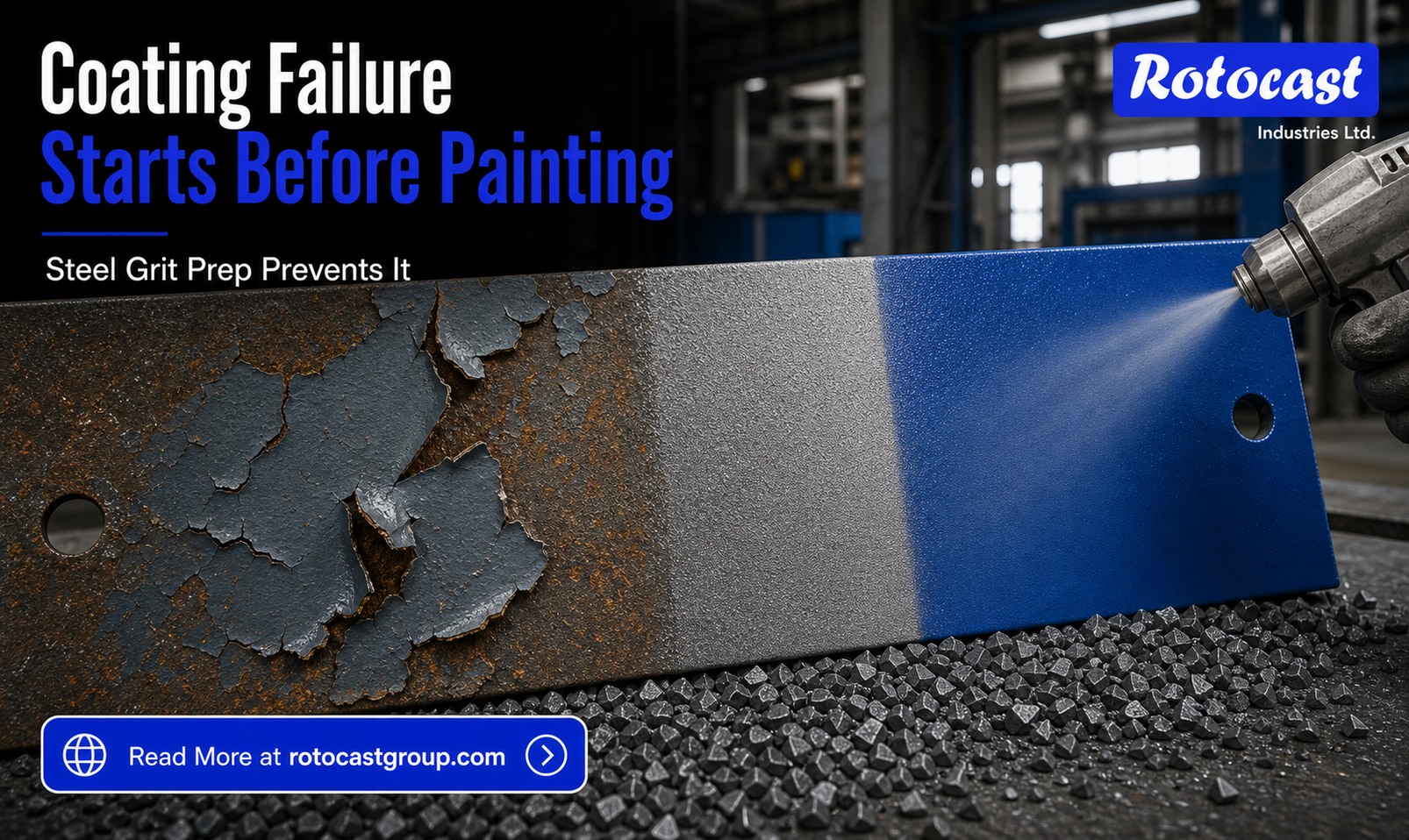
A freshly painted steel surface can look flawless. The colour is uniform, the finish is smooth, and the component is ready for delivery.
But what if the paint begins peeling, blistering, or developing rust underneath?
The immediate reaction is often to question the paint quality. However, many coating failures begin much earlier, during surface preparation.
The real question isn’t always which paint you use. It’s whether the metal was ready to be painted in the first place.
For foundries, fabrication units, automotive manufacturers, and heavy engineering companies, understanding these hidden mistakes can help reduce rework, improve coating adhesion, and avoid unnecessary finishing costs.
Why Does Coating Failure Start Before Painting?
Industrial coatings need a clean, stable surface with an appropriate roughness profile to form a reliable bond.
If rust, mill scale, dust, oil, or moisture remains on the substrate, the coating may adhere to contamination rather than the underlying steel.
Even in Steel Casting applications, where component strength and dimensional accuracy receive considerable attention, inadequate surface preparation can compromise the final finish.
Let’s explore six mistakes that manufacturers should watch for.
1. Leaving Rust and Mill Scale Behind
A metal surface can look clean without actually being coating-ready.
Steel components frequently develop rust, oxide layers, and mill scale during manufacturing, storage, and handling.
If these layers remain underneath a new coating, they can create weak bonding points and allow corrosion to develop.
This is where correctly selected Steel Grit becomes valuable.
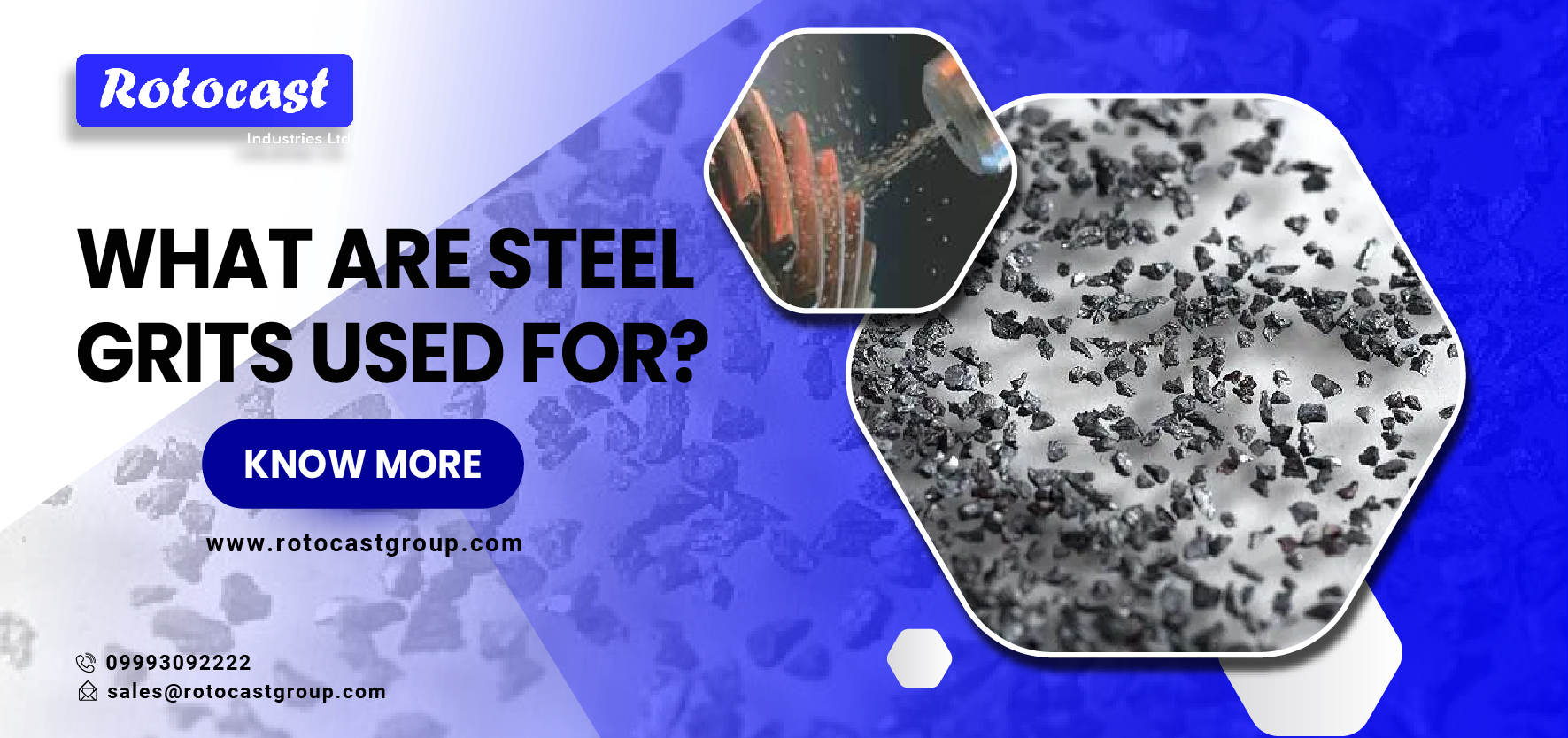
Its angular particles help remove firmly attached rust and scale while producing a surface profile suitable for specified coating applications.
Practical takeaway: Don’t judge cleanliness by appearance alone. Inspect the blasted surface against the required preparation standard before applying primer.
2. Creating the Wrong Surface Profile
Removing visible contamination is only half the job.
A coating also needs the correct surface texture, often called an anchor profile, to achieve reliable adhesion.
A surface that is too smooth may provide insufficient mechanical grip. Conversely, excessive roughness may increase coating consumption or leave profile peaks inadequately covered.
The correct surface profile depends on the coating system, substrate, and operating environment.
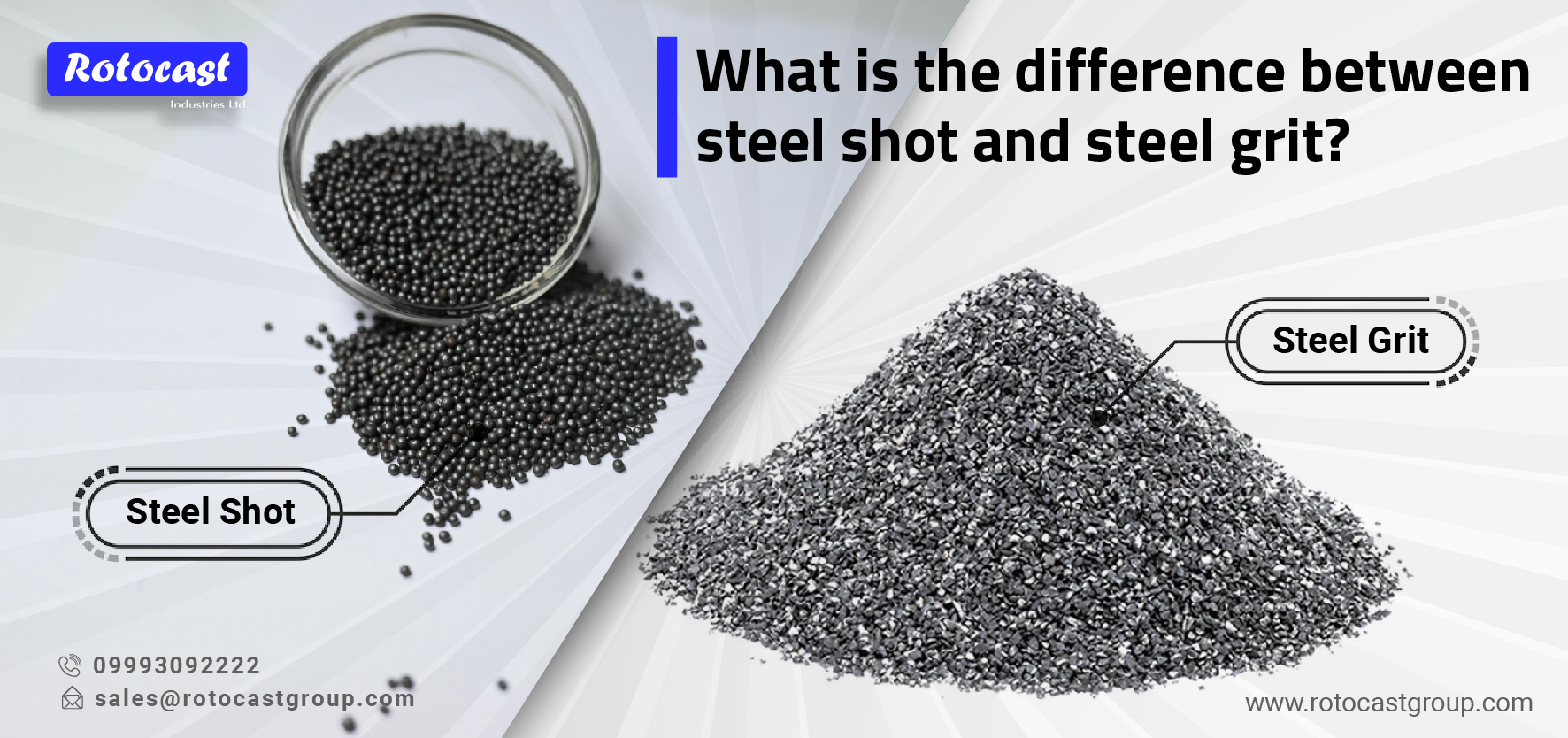
For manufacturers using Steel Shots, understanding abrasive geometry is especially important.
Rounded shot generally produces a different surface texture from angular grit. Selecting either without considering the required finish can affect coating performance.
Practical takeaway: Measure the surface profile and compare it with the coating manufacturer’s specifications instead of relying solely on visual inspection.
3. Ignoring Invisible Surface Contamination
One of the most overlooked causes of coating failure is contamination that cannot easily be seen.
Oil, grease, soluble salts, and fine dust can interfere with paint adhesion even when the metal appears properly cleaned.
Abrasive blasting removes many surface deposits, but it should not automatically be treated as a substitute for degreasing or soluble-salt removal.
Contaminants should be removed using suitable cleaning methods before or after blasting, as required by the coating specification.
Practical takeaway: Include surface cleanliness checks in your quality-control process. Where specified, test for soluble salts and residual dust before painting.
4. Using the Wrong Blasting Abrasive
Not all steel abrasives are designed to produce identical results.
As explained in the technical overview of Steel Shot, particle shape influences how abrasive media interact with metal surfaces.
Rounded shot is commonly used for cleaning, surface finishing, and shot peening, while angular grit offers more aggressive cutting action and can create a pronounced anchor profile.
However, abrasive selection should consider more than particle shape.
Size, hardness, durability, blast velocity, and the condition of the operating mix all influence the resulting finish.
Specialized Steel Grits with different hardness ranges can help manufacturers select media suited to particular surface preparation requirements.
Practical takeaway: Choose abrasives according to the required surface condition, not simply their purchase price.
5. Allowing Inconsistent Blasting Performance
Even correctly selected abrasive media may deliver inconsistent results when blasting equipment is poorly maintained.
Worn blast wheels, uneven abrasive flow, excessive dust, or an unstable operating mix can cause some areas to receive inadequate treatment.
The component may appear uniformly blasted, but its surface profile and cleanliness can vary across different sections.
These variations may create localised adhesion problems after painting.
Manufacturers should monitor abrasive condition, separator efficiency, exposure time, and machine settings.
Practical takeaway: Maintain a consistent blasting process and inspect representative areas rather than checking only one convenient section of a component.
6. Waiting Too Long Between Blasting and Painting
Another common mistake is preparing a clean surface and then leaving it exposed.
Freshly blasted steel is vulnerable to atmospheric moisture and contamination. Depending on environmental conditions, flash rusting may begin before primer application.
Humidity, condensation, and temperature changes can make this risk more significant.
For reliable results, manufacturers should monitor ambient conditions, check the steel temperature relative to the dew point, and apply the coating within the permitted preparation-to-painting interval.
Practical takeaway: Don’t assume a surface remains coating-ready simply because it was blasted earlier. Reinspect it before applying the first coat.
How Can Manufacturers Prevent Coating Failure?
Preventing premature coating problems requires a controlled workflow rather than a single cleaning operation.
Start with surface assessment. Identify rust, mill scale, oil, grease, old coatings, and other contaminants before selecting the preparation method.
Specify the required finish. Determine the cleanliness grade and anchor-profile range needed for the coating system.
Select suitable abrasives. Match abrasive shape, size, and hardness to the substrate, equipment, and required surface condition.
Control the blasting process. Monitor abrasive quality, media recovery, machine parameters, and surface coverage.
Inspect before painting. Verify cleanliness, roughness, dust levels, and environmental conditions before releasing components for coating.
Following these steps can help reduce avoidable coating defects and improve consistency across production batches.
How Rotocast Industries Ltd. Supports Better Surface Preparation
At Rotocast Industries Ltd., effective surface preparation begins with selecting abrasives that match real manufacturing requirements.
As a Steel Abrasives Manufacturer, Rotocast offers steel shot, steel grit, and specialized abrasive solutions for shot blasting, surface finishing, and coating preparation.
Its product range supports foundries, forging units, structural steel manufacturers, automotive production, and heavy engineering applications.
For businesses evaluating a Steel Grit Manufacturer in India, important considerations include particle consistency, appropriate hardness, media durability, and suitability for the intended application.
Rotocast Industries Ltd. works with manufacturers to identify abrasive solutions that support more predictable surface preparation and efficient finishing processes.
Frequently Asked Questions
Can expensive paint prevent coating failure?
Not necessarily. Even a high-quality coating can fail if the substrate has contamination, inadequate surface roughness, or moisture. Proper preparation must complement the coating system.
Is steel grit better than steel shot for painting preparation?
Steel grit is often preferred where an angular anchor profile is required. Steel shot can be suitable for cleaning and certain specified finishing operations. The correct choice depends on the required profile and coating specification.
How do you know if a steel surface is ready for coating?
Verify surface cleanliness, required roughness, residual contamination, and environmental conditions. The coating manufacturer’s preparation requirements should guide acceptance.
Final Thoughts: Better Coatings Begin with Better Preparation
A long-lasting coating depends on more than the final layer of paint.
When surfaces are properly cleaned, correctly profiled, and inspected before painting, manufacturers can reduce the risk of premature coating failure and costly rework.
The best time to prevent coating failure is before the first coat is applied.
Looking to improve surface preparation, abrasive selection, or blasting performance?
Connect with Rotocast Industries Ltd. for steel abrasive solutions suited to your manufacturing requirements.