- Rotocast
- Nov 17, 2026
- Blogs, Shot Blasting, Steel Abrasives, Surface Preparation
- 0 Comments
A steel surface comes out of the blasting chamber looking clean, bright, and ready for painting. The coating is applied, the component passes inspection, and everything appears perfect.
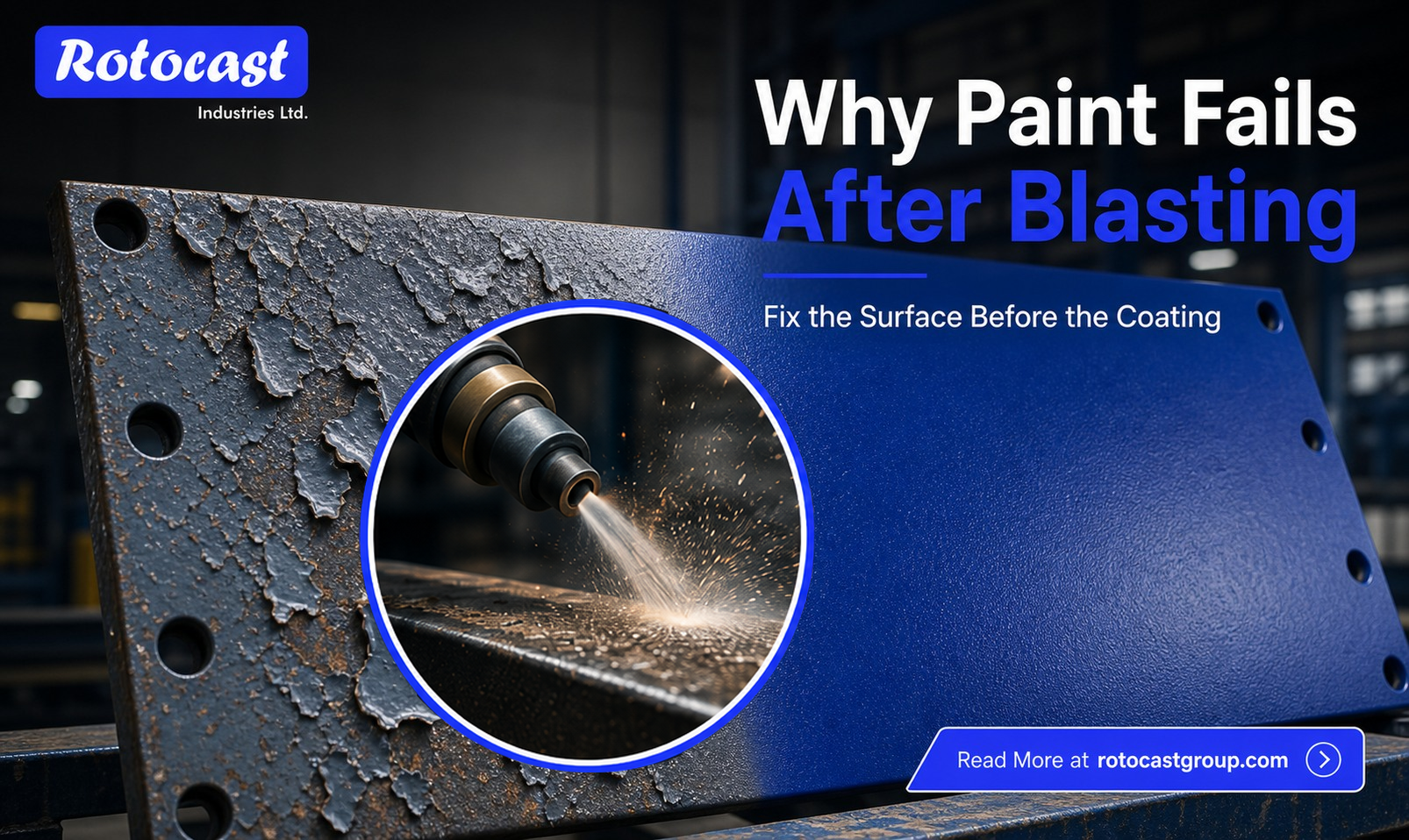
Then, weeks or months later, the paint begins peeling, blistering, cracking, or separating from the metal.
What went wrong?
For many manufacturers, the immediate reaction is to blame paint quality. However, paint failure after blasting often begins long before the first coat is applied.
The actual problem may be an unsuitable surface profile, residual contamination, moisture, incorrect blasting media, or inadequate process control.
For industries where corrosion protection and coating durability are critical, these problems can lead to expensive rework, production delays, repeated maintenance, and premature component deterioration.
Understanding how Steel Shot and Steel Grit influence surface preparation is an important step toward achieving consistent coating performance.
Why Does Paint Fail Even After Shot Blasting?
A surface that looks clean is not necessarily ready for coating.
Shot blasting removes rust, mill scale, old paint, and other surface contaminants. However, effective surface preparation requires more than visible cleanliness.
A successful coating process depends on three important conditions: the surface must meet the specified cleanliness standard, have an appropriate roughness profile, and remain free from contamination before painting.
The relationship between surface preparation and paint adhesion is especially important in industrial environments where coatings must withstand moisture, chemicals, abrasion, and temperature changes.
Even a small deviation in these conditions can affect coating performance.
Let’s examine seven common reasons why paint fails after blasting and the practical steps manufacturers can take to prevent them.
1. The Surface Is Clean but the Roughness Profile Is Wrong
One of the most overlooked causes of coating failure is an incorrect surface profile.
During blasting, abrasive particles strike the metal and modify its surface texture. The resulting peaks and valleys provide an anchor profile that can help coatings bond effectively with the substrate.
However, the profile must match the coating manufacturer’s requirements.
If the surface is too smooth, the coating may not achieve the required adhesion. If the surface is excessively rough, sharp peaks may receive insufficient paint coverage, increasing the risk of localized corrosion and premature coating breakdown.
How to fix it: Measure the blasted surface profile using suitable instruments or replica tape, where applicable. Select the appropriate abrasive size, shape, hardness, and blasting parameters to achieve the specified profile range.
Angular Steel Grit is frequently used where effective surface profiling is required, while spherical Steel Shots are commonly selected for controlled cleaning and more uniform finishing.
The correct abrasive depends on the substrate, coating specification, and equipment.
2. Rust, Mill Scale, or Old Coating Remains on the Surface
A surface may appear clean from a distance while still containing embedded rust, tightly bonded mill scale, or residual coating in corners and recessed areas.
These contaminants interfere with coating adhesion and may contribute to corrosion developing beneath the paint film.
This problem is especially common in fabrication units, structural steel processing, heavy engineering operations, and complex cast components.
How to fix it: Establish the required blast-cleaning standard before production begins. Check areas around welds, edges, recesses, and difficult geometries.
Where stronger cutting action is necessary, correctly selected angular Steel Grits can help remove stubborn surface contamination.
The objective should be complete, specification-compliant cleaning rather than simply increasing blasting time.
3. Moisture and Flash Rust Appear Before Painting
Freshly blasted steel is particularly vulnerable to atmospheric moisture.
If the metal surface temperature approaches the dew point, condensation may form. In humid environments, flash rust can develop before the primer is applied.
Even when this moisture is not immediately visible, it may compromise coating adhesion and contribute to early corrosion.
How to fix it: Monitor relative humidity, dew point, and steel surface temperature throughout blasting and coating operations.
Follow the coating specification’s environmental limits and maintain the required temperature margin above the dew point, commonly at least 3°C when specified.
Minimize the interval between blasting and primer application. If flash rust or contamination develops, reinspection and additional preparation may be necessary.
4. Incorrect Steel Shot or Steel Grit Is Used
Not all blasting media produce the same surface characteristics.
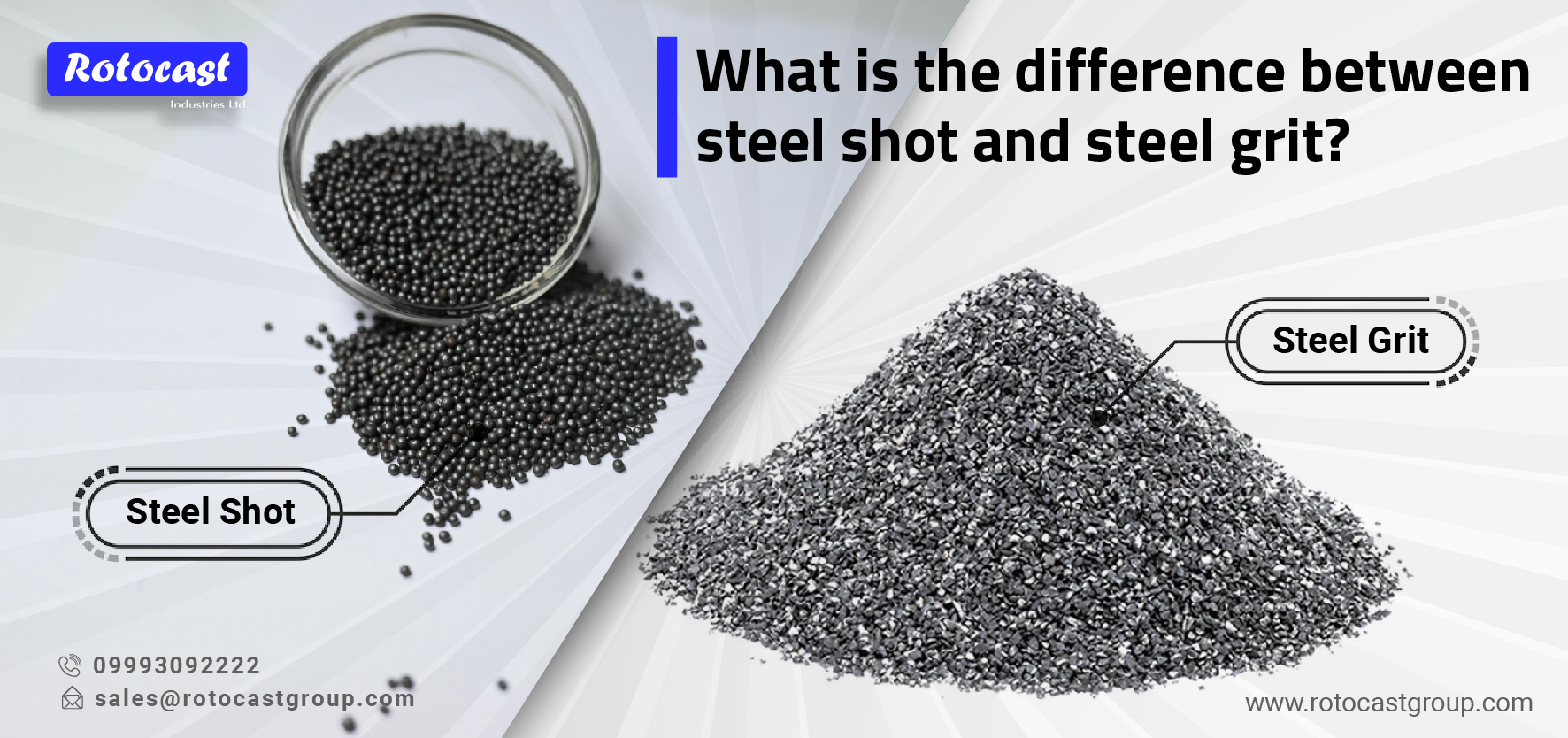
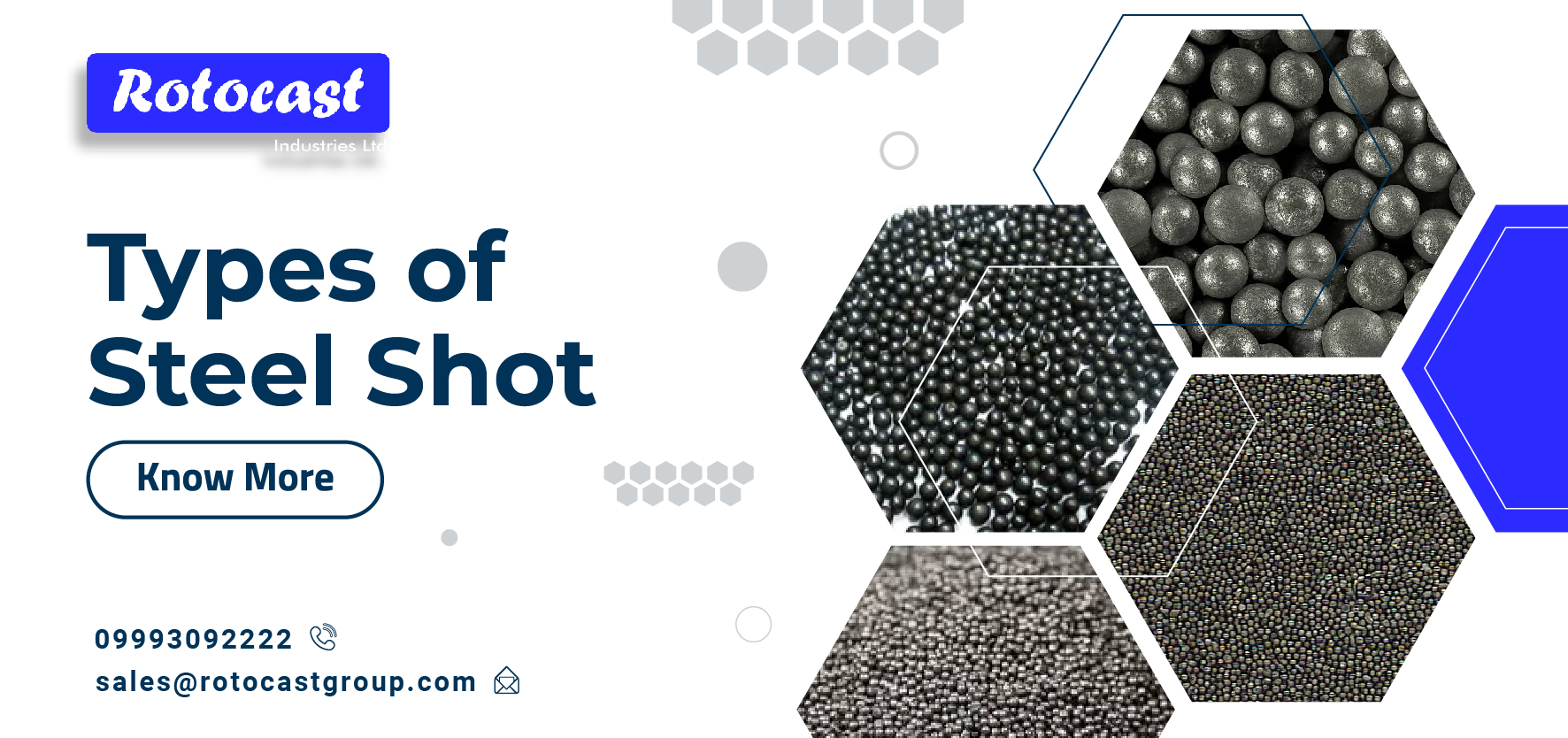
Spherical Steel Shot produces repeated impact and is commonly used for cleaning, descaling, foundry finishing, and shot peening.
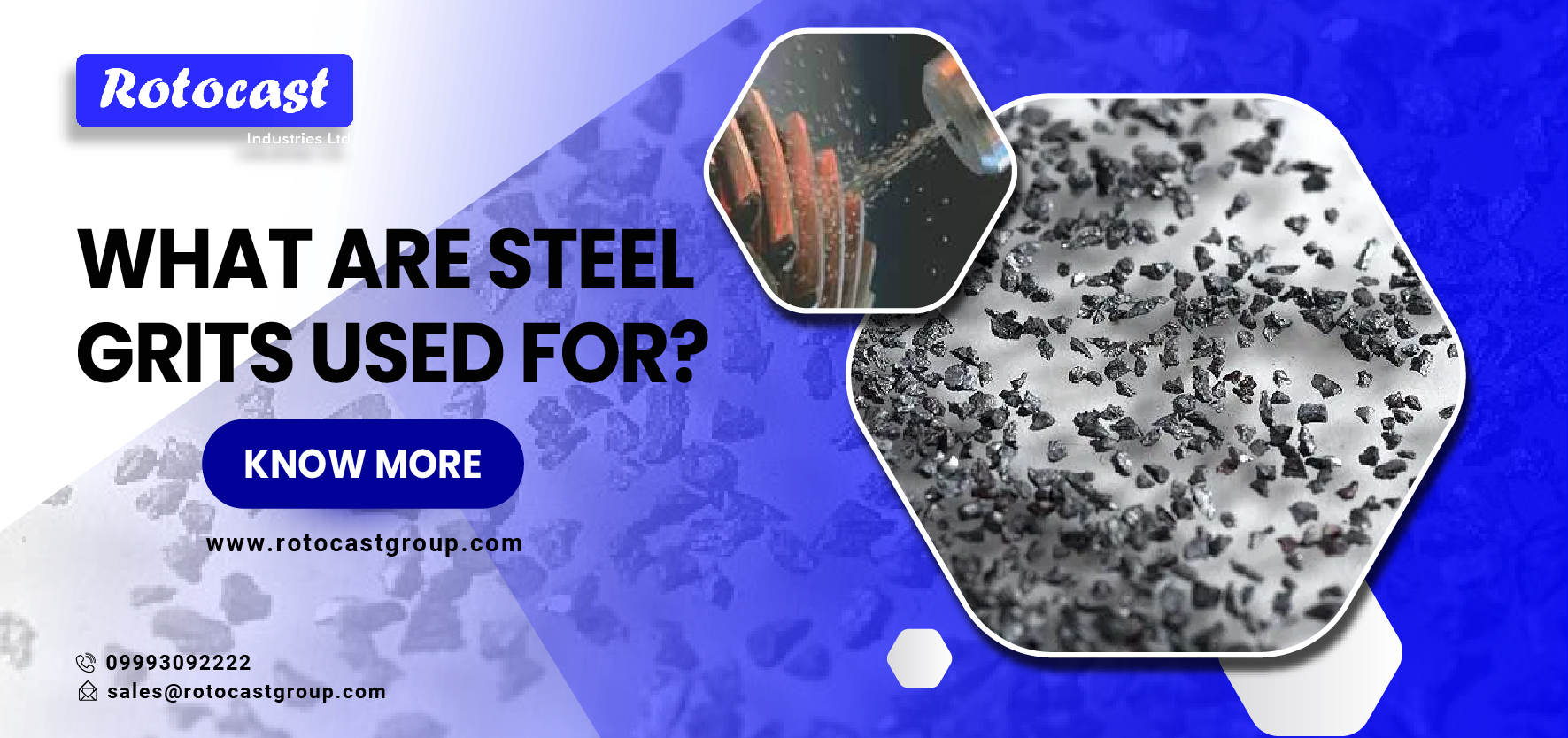
Angular Steel Grit has a cutting action that makes it useful for more aggressive cleaning and surface profiling.
Using media that are too coarse, too fine, excessively hard, or otherwise unsuitable can affect both cleaning performance and the resulting surface texture.
This is why choosing a reliable Steel Shot Manufacturer or Steel Grit Manufacturer involves more than comparing abrasive prices.
Consistency in particle size, hardness, shape, and durability plays an important role in achieving repeatable blasting results.
How to fix it: Match the abrasive characteristics with the actual surface condition, machine capabilities, and coating requirements.
For example, heavy rust and scale may require a more aggressive blasting approach, while components requiring controlled cleaning may benefit from suitably selected spherical shot.
Manufacturers should evaluate performance through surface inspection and profile measurements rather than relying only on abrasive grade names.
5. Dust, Oil, and Soluble Salts Remain After Blasting
One of the biggest misconceptions in surface preparation is that blasting automatically removes every form of contamination.
Although blasting effectively removes many visible contaminants, it does not necessarily eliminate oil, grease, soluble salts, or all residual dust.
Oil and grease can interfere with coating wetting and adhesion. Soluble salts may contribute to osmotic blistering and underfilm corrosion. Residual dust can form a weak layer between the substrate and the coating.
How to fix it: Remove oil and grease using appropriate cleaning methods before blasting. After blasting, inspect for dust and other contaminants.
Where required by the coating specification, perform soluble salt testing and dust assessments before painting.
Use clean, dry compressed air and suitable dust-removal equipment. Establish measurable acceptance criteria for surface cleanliness.
6. Worn or Contaminated Blasting Media Produces Inconsistent Results
Reusable steel abrasives offer important operational benefits, but their performance depends on proper maintenance.
As Steel Shots and Steel Grits circulate through a blasting system, particles gradually wear, fracture, and change in size distribution.
If the operating mix contains excessive fines, unwanted contaminants, or unsuitable particle sizes, blasting performance may become less predictable.
This can lead to inconsistent surface profiles, inadequate cleaning, longer blasting cycles, and additional abrasive consumption.
The principles of abrasive blasting demonstrate why media characteristics and blasting conditions must be managed together.
How to fix it: Regularly inspect the abrasive operating mix, remove excessive fines and contaminants through effective separation, and replenish media with suitable new abrasives.
Monitor the condition of blast wheels, nozzles, separators, and dust collection systems.
Working with a dependable Steel Abrasives Manufacturer can support greater consistency in the quality of replacement abrasive media.
7. The Coating Process Starts Too Late or Is Poorly Controlled
Even a properly blasted surface can fail if coating application conditions are unsuitable.
Long delays between blasting and priming may allow contamination or flash rust to develop.
Incorrect mixing ratios, inadequate curing, unsuitable ambient conditions, or dry film thickness outside the specified range can also weaken coating performance.
In some cases, surface preparation receives all the attention while application controls are overlooked.
How to fix it: Treat blasting and painting as connected stages of one controlled process.
Inspect the surface immediately before coating, follow the paint manufacturer’s mixing and application instructions, and verify wet and dry film thickness as required.
Maintain clear records of surface preparation, environmental conditions, coating batches, application times, and inspection results.
Steel Shot vs. Steel Grit: Which Is Better for Paint Preparation?
Choosing between Steel Shot and Steel Grit is not simply a matter of deciding which abrasive is stronger.
The real question is: What surface condition does the coating system require?
Steel Shot is made up of rounded particles that create a predominantly impact-based cleaning action. It is commonly used for surface cleaning, descaling, and finishing applications.
Steel Grit contains angular particles that provide a cutting action, making it particularly useful when heavy contamination must be removed or a defined surface profile is needed.
For many industrial coating applications, Steel Grit is a suitable starting point when developing the required anchor profile. However, its performance depends on particle size, hardness, blasting intensity, and the condition of the working mix.
In some applications, appropriately controlled Steel Shot or mixed-media processes may also meet the specified surface requirements.
The final decision should be based on verified cleaning and profiling results rather than assumptions about abrasive shape alone.
How the Right Steel Abrasives Help Reduce Paint Failure and Rework
When blasting media match the process requirements, manufacturers can achieve more consistent surface preparation.
This can support improved coating adhesion, predictable cleaning cycles, controlled abrasive consumption, and fewer defects requiring reblasting or repainting.
For a Steel Casting Foundry, proper blasting can help remove moulding residues, scale, and oxidation from components before downstream finishing.
For structural steel fabrication and heavy engineering units, a controlled blasting process helps establish the surface conditions needed for protective coating systems.
In pipe coating, industrial equipment manufacturing, and automotive component production, consistency becomes especially important when large quantities of components must meet repeatable quality standards.
A process-oriented approach considers the complete blasting operation, including abrasive characteristics, machine settings, surface inspection, and coating requirements.
Why Choose Rotocast Industries Ltd. for Steel Abrasives?
Rotocast Industries Ltd. is an established Indian manufacturer of steel abrasives and alloy steel castings, serving industries including foundries, forging units, automotive manufacturing, heavy engineering, steel processing, and other industrial sectors.
As a Steel Shot Manufacturer and Steel Grit Manufacturer in India, Rotocast offers abrasive media developed for industrial blasting, cleaning, surface preparation, and finishing applications.
Its product portfolio includes regular and high-performance steel abrasives available in different grades to support varied operational requirements.
For manufacturers searching for Steel Shot India, Steel Shots India, Steel Grit India, or Steel Grits India suppliers, it is important to evaluate not just the purchase price, but also the consistency of the abrasive and its suitability for the intended process.
Rotocast’s surface blasting expertise and manufacturing experience support its focus on reliable industrial surface-treatment solutions.
As a manufacturer serving Steel Casting and Steel Casting Foundry applications, Rotocast understands the importance of repeatable surface quality, effective cleaning, and reduced process variation.
Final Thoughts: A Strong Coating Starts With the Right Surface
When paint fails after blasting, applying another coat rarely addresses the underlying cause.
The real solution begins with understanding the surface.
Was the metal cleaned to the required standard? Was the surface profile appropriate? Was the correct blasting media used? Were moisture, dust, salts, and coating conditions controlled?
These questions can help identify the root cause of repeated coating failures.
Better blasting is not simply about removing rust faster. It is about creating a surface that gives the coating its best chance to perform.
With suitable Steel Shot, Steel Grit, and effective process controls, manufacturers can improve surface preparation, minimize avoidable rework, and support longer-lasting protective coatings.
Frequently Asked Questions
Why does paint peel off after sandblasting or shot blasting?
Paint may peel after blasting because of an incorrect surface profile, remaining contamination, moisture, inadequate coating thickness, poor curing, or unsuitable application conditions. Blasting must be followed by proper inspection and coating controls.
Is Steel Grit better than Steel Shot for paint adhesion?
Steel Grit is often preferred when aggressive cleaning and a defined anchor profile are required. However, the best abrasive depends on the substrate, coating specifications, and blasting equipment.
Can improper blasting cause premature corrosion?
Yes. Incomplete rust removal, soluble salts, dust, flash rust, or an unsuitable surface profile can contribute to premature coating breakdown and corrosion.
How can manufacturers prevent paint failure after blasting?
Manufacturers should specify the required cleanliness and profile, use suitable abrasives, maintain blasting equipment, monitor environmental conditions, inspect for contamination, and follow the coating manufacturer’s instructions.
Why is abrasive quality important in industrial blasting?
Consistent abrasive size, shape, hardness, and cleanliness can help achieve more repeatable blasting performance. Poor media condition may increase process variation, rework, and consumption.