- Rotocast
- Nov 17, 2026
- Blogs, Shot Blasting, Steel Abrasives, Surface Preparation
- 0 Comments
Is harder steel shot always better? What if the real reason behind inconsistent blasting results is not hardness, but the size of the abrasive particles?
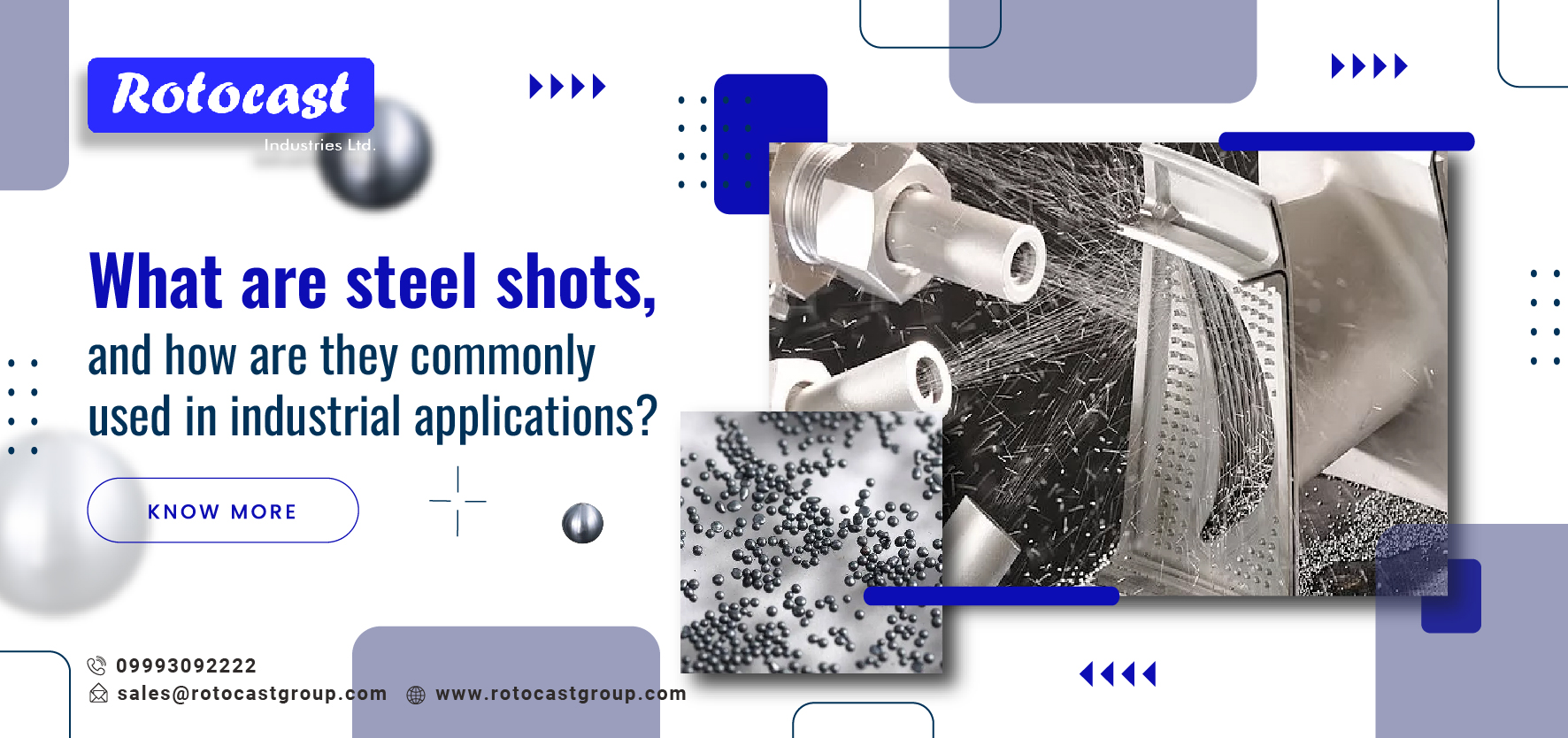
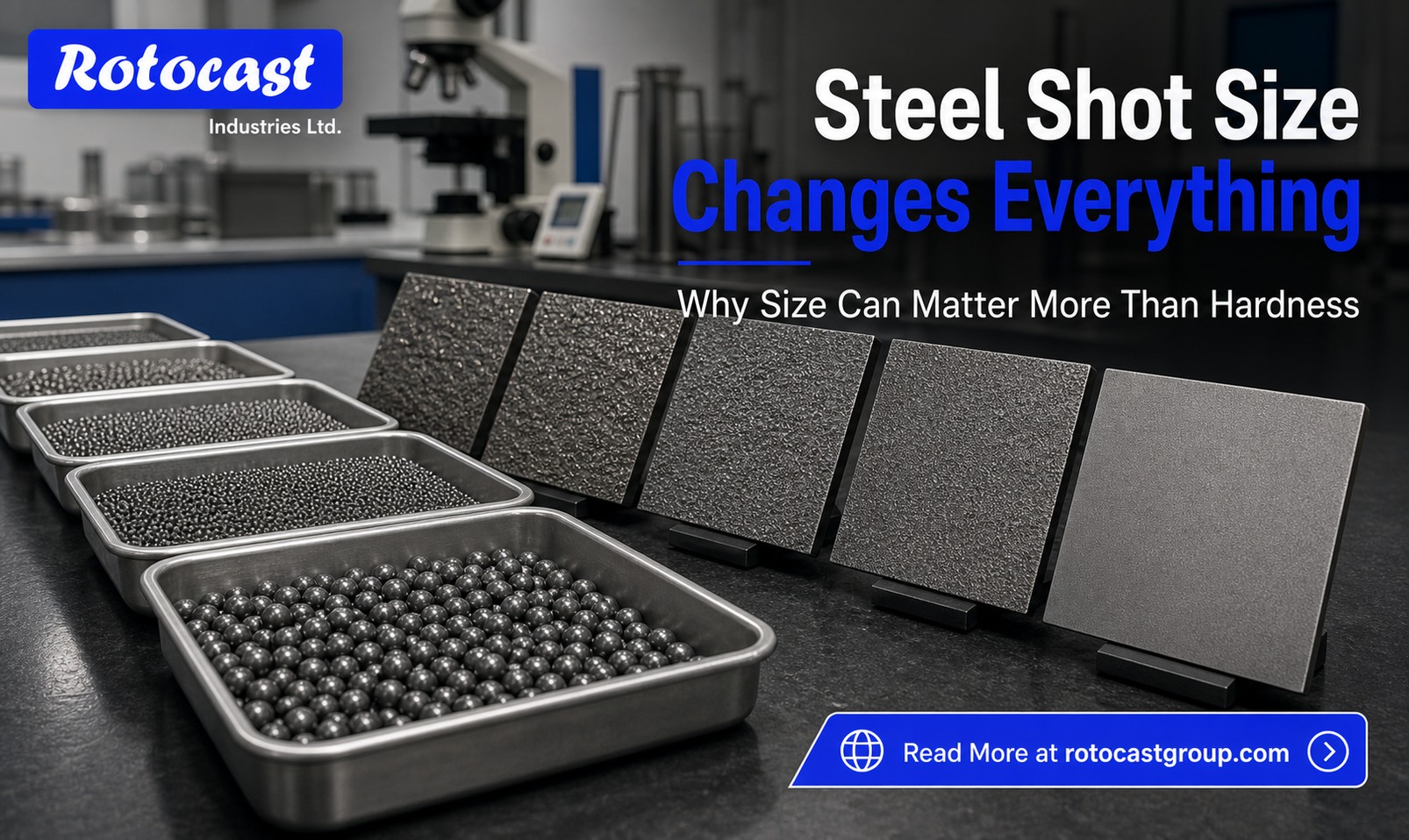
In industrial shot blasting, manufacturers often focus on abrasive hardness when evaluating performance. While hardness certainly matters, the size of Steel Shot can have an equally important—and sometimes more immediate—effect on cleaning efficiency, impact energy, surface coverage, and finishing quality.
Choosing an excessively large or small shot size may lead to incomplete cleaning, unnecessary surface deformation, inefficient abrasive consumption, or additional processing time, even when the media has the appropriate hardness.
For foundries, automotive component manufacturers, steel fabricators, and engineering industries, understanding the relationship between steel shot size and hardness is essential for achieving predictable results.
Let’s explore why selecting the right particle size can make such a significant difference.
Why Steel Shot Size Deserves More Attention Than You Think
Every steel shot particle transfers energy when it strikes a metal surface. The amount of energy delivered depends on several factors, including particle mass, velocity, impact angle, and material characteristics.
At the same velocity and density, a larger spherical particle carries greater kinetic energy because it has more mass.
This is why larger Steel Shots are often suitable for heavy-duty cleaning, while smaller shots can provide greater particle counts and more distributed coverage for a given mass of media.
However, bigger does not automatically mean better.
A large shot may deliver stronger individual impacts but leave a surface texture that is too aggressive for a particular application. A smaller shot may offer more uniform coverage but lack the impact required to remove heavy scale efficiently.
The objective is to choose a size distribution that matches the actual surface treatment requirement.
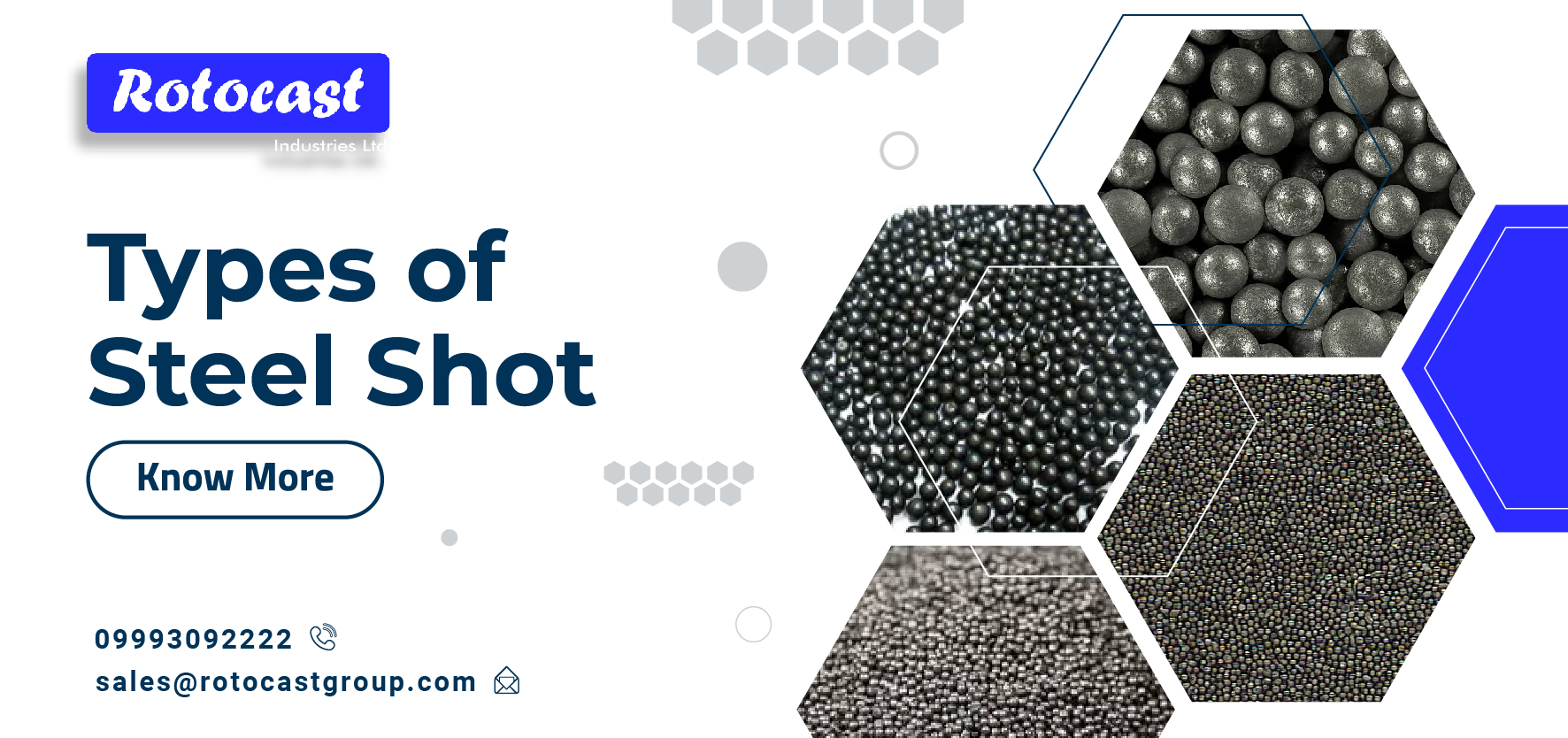
For an overview of the different products available, explore our Steel Shots range, developed for industrial cleaning, desanding, descaling, surface preparation, and shot peening applications.
Steel Shot Size vs Hardness: Understanding the Difference
Steel shot size and steel shot hardness influence blasting performance in different ways.
Steel Shot Size Determines Impact Mass and Coverage
The diameter and mass of the abrasive influence the energy of each impact and the number of particles striking the surface.
Larger shot particles generally deliver greater impact energy at the same velocity, making them useful for removing heavier contamination or processing robust components.
Smaller particles provide more individual impacts per kilogram, helping improve coverage and reach certain geometrical features when properly selected.
Steel Shot Hardness Influences Deformation and Wear
Hardness describes resistance to indentation or deformation. It influences how the particle and workpiece behave during impact, as well as the abrasive’s wear characteristics.
Harder shot is not automatically more durable in every application. Excessively hard or brittle media may fracture more readily under demanding operating conditions, depending on its microstructure and toughness.
Similarly, softer media may deform or wear faster under particular blasting conditions.
In practice, the performance of Steel Abrasive media depends on the balance between particle size, hardness, shape, toughness, cleanliness, and machine operating conditions.
The key takeaway is simple: Hardness influences the character of the impact, while size strongly influences its mass and coverage. Both must be properly matched to the job.
How Steel Shot Size Affects Surface Cleaning Efficiency
Imagine two blasting machines using steel shots with similar hardness but different particle sizes.
The first machine uses relatively large abrasive particles. These particles deliver stronger individual impacts, making them potentially effective for removing heavy mill scale and processing larger, robust surfaces.
The second machine uses smaller particles. Although each impact carries less energy at an equivalent velocity, the larger number of particles can improve impact distribution and surface coverage.
Which machine performs better?
The answer depends on the job.
When cleaning heavy-duty steel structures or thick cast components, larger shot may improve scale removal under suitable operating conditions.
For smaller components, complex geometries, or applications requiring controlled finishing, finer shot may produce more consistent results.
The correct choice can reduce unnecessary processing time, minimize avoidable rework, and support more efficient abrasive use.
Why Bigger Steel Shots Are Not Always Better
A common misconception in blasting operations is that larger particles automatically deliver superior cleaning results.
While larger particles generally have more mass, selecting an oversized abrasive can create several practical challenges.
For example, excessive impact intensity may cause unwanted surface deformation on thin or sensitive components. Large particles may also be less effective at reaching narrow recesses or intricate casting features.
In certain applications, larger media can produce a rougher surface appearance or a less desirable finish than the process requires.
On the other hand, extremely fine particles may struggle to remove heavy contamination within the required cycle time.
This is particularly relevant in a Steel Casting Foundry, where components may vary significantly in size, shape, thickness, and surface condition.
Instead of selecting the largest available abrasive, manufacturers should consider the exact cleaning and finishing requirements of each component.
The Importance of Steel Shot Size Distribution
Selecting the right nominal steel shot grade is only part of the equation.
Maintaining a controlled particle-size distribution is equally important.
In a blasting machine, abrasive particles gradually wear, fracture, or become smaller through repeated impacts. As the working mixture changes, blasting efficiency and surface consistency may also change.
This is why abrasive grading and screening matter.
Industrial specifications such as SAE J444 establish size-distribution requirements for cast shot and grit used in cleaning and peening operations.
A nominal steel shot grade represents a specified sieve-size distribution rather than one perfectly identical particle diameter.
Manufacturers should periodically evaluate their working media, remove excessive fines and contamination, and replenish the mixture with suitable new abrasive.
Rotocast Industries Ltd. provides Steel Shot products developed for industrial blasting applications, with controlled specifications and different grades to support varying surface treatment requirements.
How Steel Shot Size Influences Shot Peening Performance
Steel shot size becomes particularly important in shot peening applications.
Unlike conventional cleaning, Shot Peening is designed to introduce beneficial compressive residual stresses into the surface of a metal component through repeated controlled impacts.
Shot size influences impact intensity, dent dimensions, coverage rate, and the resulting surface condition.
Larger shot can produce greater impact intensity under comparable operating conditions, but it may also increase surface indentation and roughness.
Smaller shot can be useful when treating detailed components or when tighter control of surface coverage is required.
However, shot peening performance cannot be determined from particle size alone. Media hardness, velocity, coverage, equipment settings, and component material must also be considered.
For automotive springs, gears, shafts, and other fatigue-sensitive components, selecting the correct shot specification is therefore critical to achieving the intended treatment.
Steel Shot or Steel Grit: Does Particle Shape Matter Too?
Absolutely.
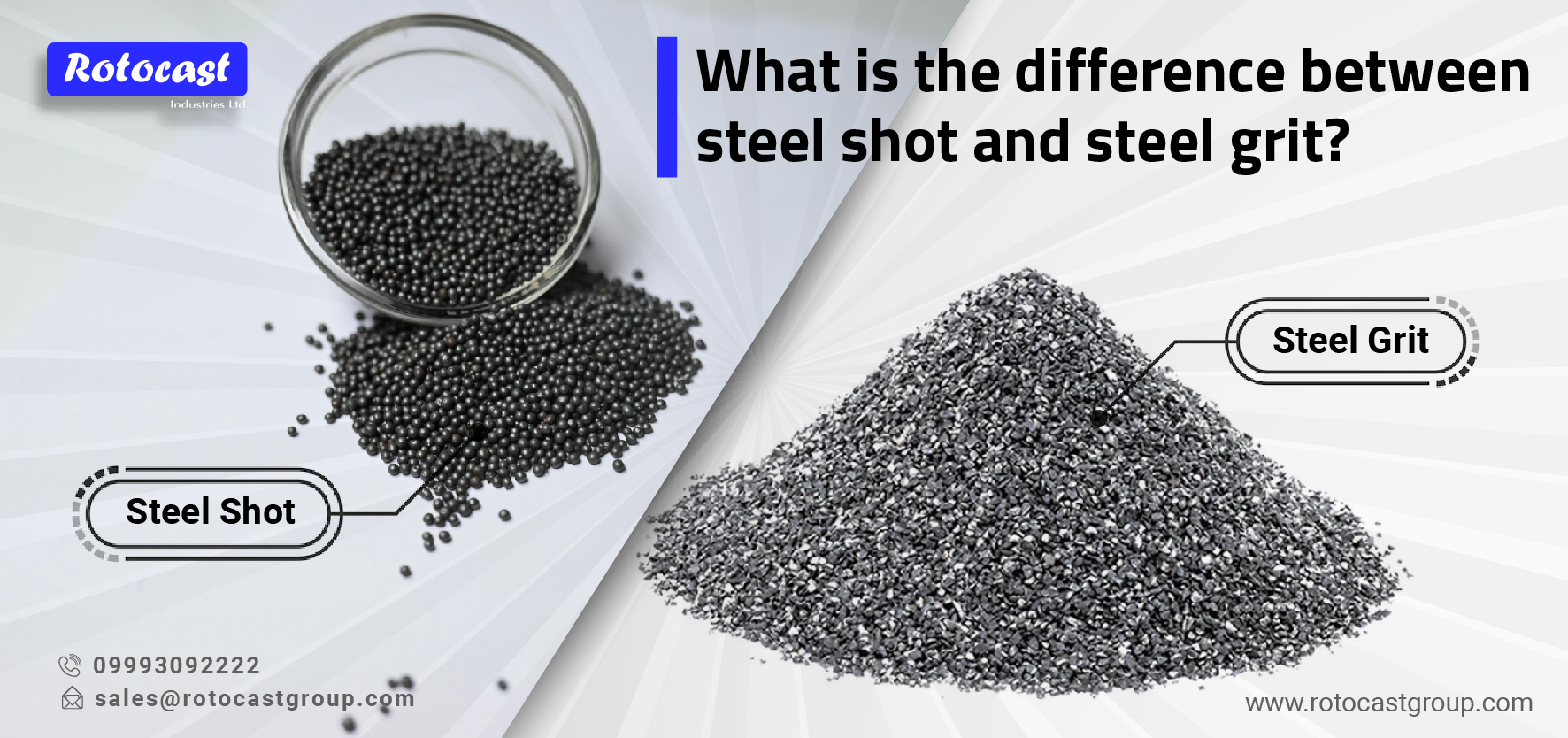
While Steel Shot consists of predominantly spherical particles, Steel Grit contains angular particles designed to provide a more aggressive cutting action.
Steel Shot is commonly used for cleaning, descaling, finishing, and shot peening, depending on the process requirements.
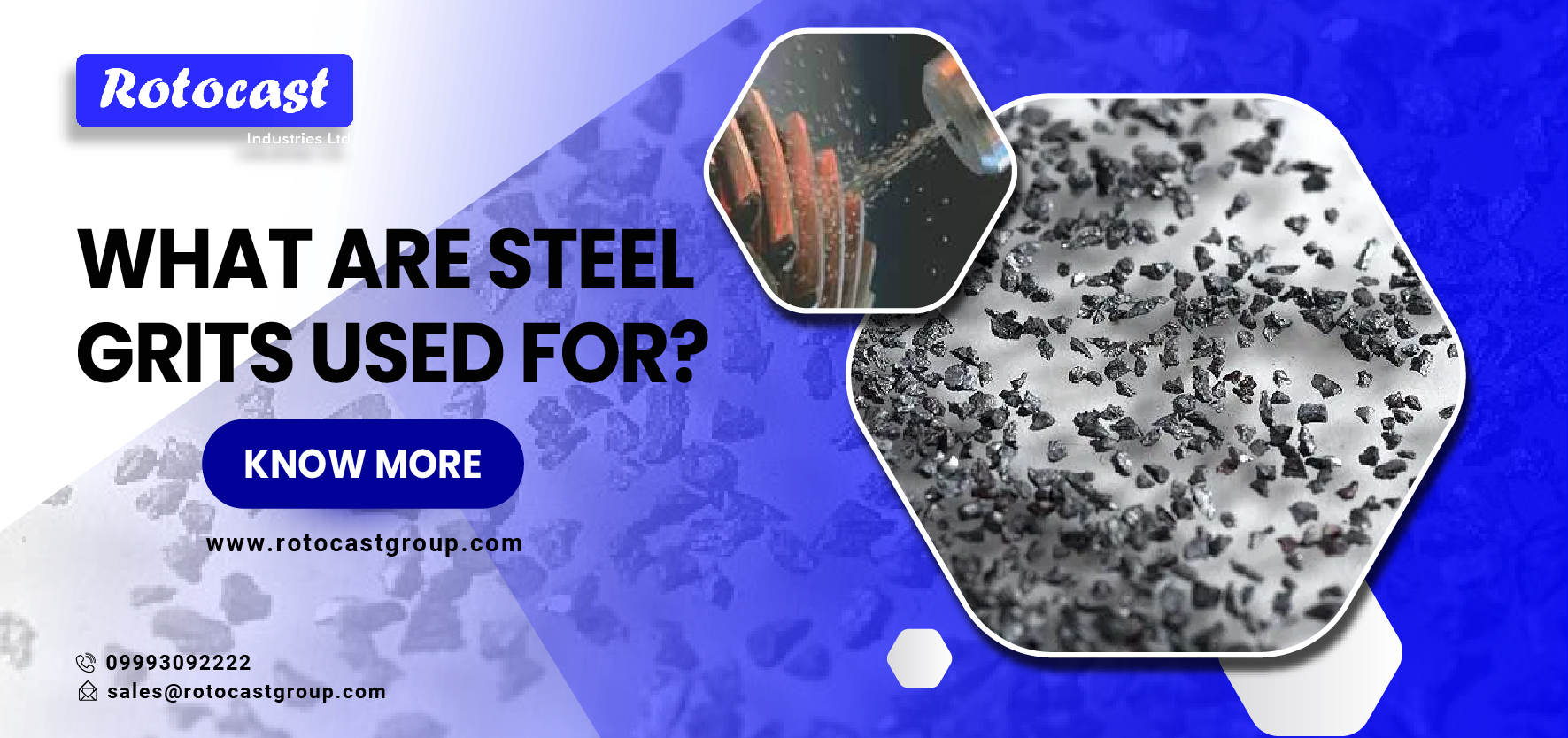
Steel Grit is often preferred when the application demands more aggressive rust removal, scale removal, or surface profiling before coating.
The right abrasive depends on whether the objective is to create repeated rounded impacts or a more cutting-oriented surface treatment.
For industrial applications requiring angular abrasives, explore our Steel Grit range, which includes different hardness options for specialized blasting requirements.
Selecting the right shape, size, and hardness together can improve process consistency and help reduce avoidable abrasive consumption.
How the Wrong Steel Shot Size Can Increase Blasting Costs
An incorrectly selected abrasive can create costs that extend far beyond the purchase price.
If the shot is too fine for heavy cleaning, the process may require additional blasting time to achieve the desired cleanliness.
If the shot is too coarse for sensitive workpieces, the resulting surface condition may require corrective finishing.
An unstable working mix can also contribute to inconsistent cleaning results and unnecessary rework.
Furthermore, excessively aggressive blasting conditions may increase wear on equipment components.
The true cost of steel abrasives should therefore be evaluated against their performance, not simply their price per kilogram.
For manufacturers comparing Steel Shot India suppliers or Steel Grit India products, technical consistency and suitability for the intended application should be important purchasing considerations.
How to Choose the Right Steel Shot Size for Your Application
The ideal abrasive specification depends on the characteristics of the workpiece and the required final result.
For heavy steel castings and forgings: A suitable coarser shot grade may deliver the impact energy required for removing stubborn contamination, sand residues, and scale.
For smaller components and detailed surfaces: Finer shot grades may provide more controlled coverage and help reach certain complex areas.
For surface preparation before coating: Shot size should be selected according to the required cleanliness and surface profile. Where stronger cutting action is needed, Steel Grit may be a more suitable option.
For shot peening applications: Shot size, hardness, velocity, and coverage should be selected together to meet the specified peening intensity and surface condition.
For high-volume automated blasting lines: Consistent particle-size distribution and proper working-mix maintenance can help achieve repeatable cleaning results.
Rather than choosing an abrasive based on hardness alone, manufacturers should evaluate the complete blasting process, including equipment type, component geometry, operating velocity, and target finish.
Why Choose Rotocast Industries Ltd. for Steel Abrasives?
At Rotocast Industries Ltd., we understand that every industrial surface treatment application has different requirements.
As an established Steel Shot Manufacturer and Steel Grit Manufacturer in India, we manufacture steel abrasives for demanding applications across foundries, automotive production, engineering, steel processing, and other industrial sectors.
Our product portfolio includes steel shots, steel grits, premium abrasive grades, and steel casting solutions.
With an emphasis on quality control, abrasive specifications, and manufacturing consistency, Rotocast supports customers looking for reliable products suited to their operating requirements.
Whether you are searching for a Shot Manufacturer in India, a Steel Grit Manufacturer in India, or a dependable Steel Abrasives Manufacturer, our team can help you evaluate suitable options for your surface treatment process.
Final Thoughts: Choose the Right Size, Not Just the Hardest Shot
The hardest steel shot is not necessarily the best steel shot.
Abrasive size directly influences impact mass, coverage, cleaning behavior, and the overall surface finish. Hardness remains important, but it cannot compensate for an unsuitable particle size or poorly controlled working mixture.
By matching steel shot size, hardness, shape, and operating conditions to the application, manufacturers can work toward more consistent blasting quality, lower avoidable rework, and better process efficiency.
Because in shot blasting, precision matters more than simply choosing the hardest abrasive.
Looking for the Right Steel Shot for Your Blasting Process?
Rotocast Industries Ltd. offers steel shot, steel grit, and industrial abrasive solutions for a wide range of surface preparation applications.
Connect with our team to discuss your component requirements, blasting conditions, and abrasive selection.