- Rotocast
- Nov 9, 2026
- Blogs, Shot Blasting, Steel Abrasives, Surface Preparation
- 0 Comments
A freshly painted metal component may look perfect today, but what happens when its coating starts peeling, blistering, or rusting after exposure to industrial conditions?
The problem may not be the paint itself. It could be something much less visible: the surface profile beneath the coating.
For manufacturers, foundries, and fabrication units, understanding this critical detail can make the difference between a durable protective finish and costly rework.
Let’s explore why the right surface profile matters, how Steel Shot and Steel Grit influence it, and what manufacturers should check before applying a protective coating.
The Hidden Reason Metal Coatings Fail
Imagine applying premium industrial paint to a steel component that appears completely clean. The surface has no visible rust, dust, or mill scale. Everything looks ready for coating.
But appearance alone does not confirm coating readiness.
For many industrial coating systems, the metal needs a controlled microscopic texture that helps the coating adhere effectively.
This texture is called the surface profile, often referred to as an anchor pattern.
A profile that is too shallow may provide insufficient mechanical grip. Conversely, an excessively deep profile can create sharp peaks that are difficult to cover with the specified coating thickness.
The goal is not maximum roughness. It is the correct surface profile for the coating system.
What Is a Surface Profile, and Why Does It Matter?
Surface profile refers to the microscopic peaks and valleys created during metal surface treatment.
These irregularities help certain coatings establish a mechanical bond with the underlying material.
The concept relates to surface roughness, an important characteristic in surface engineering.
Three factors deserve particular attention.
Surface cleanliness: Rust, mill scale, grease, and other contaminants can interfere with coating adhesion.
Profile depth: The coating manufacturer may specify a required roughness range to support proper adhesion and film coverage.
Profile consistency: Uneven surface preparation can create areas with different adhesion characteristics across the same component.
A metal surface must therefore be sufficiently clean, appropriately textured, and ready for coating under the specified application conditions.
How Steel Shot and Steel Grit Influence Coating Performance
The selection of blasting media plays an important role in achieving the desired surface condition.
Steel Shot: Effective Cleaning with a Rounded Impact
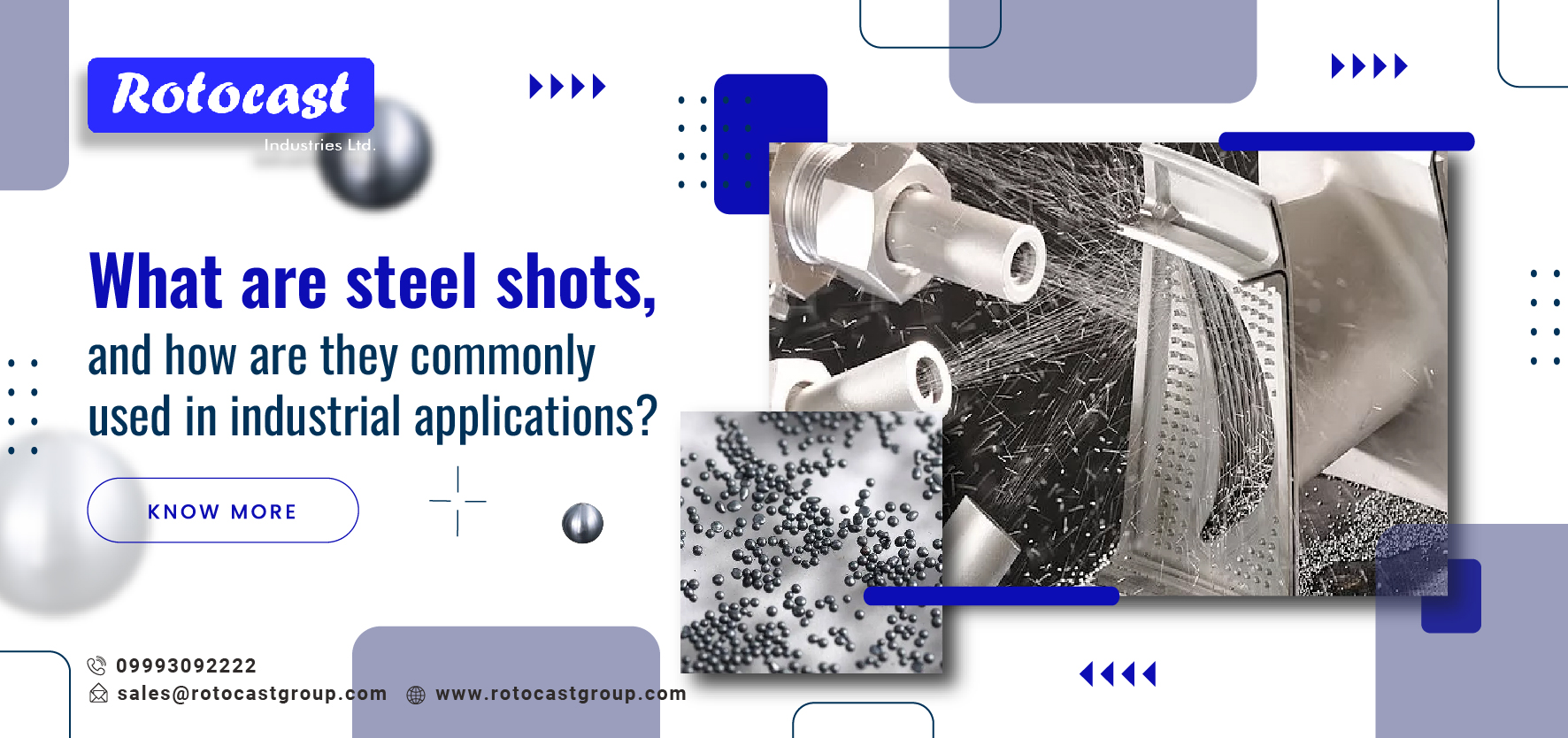
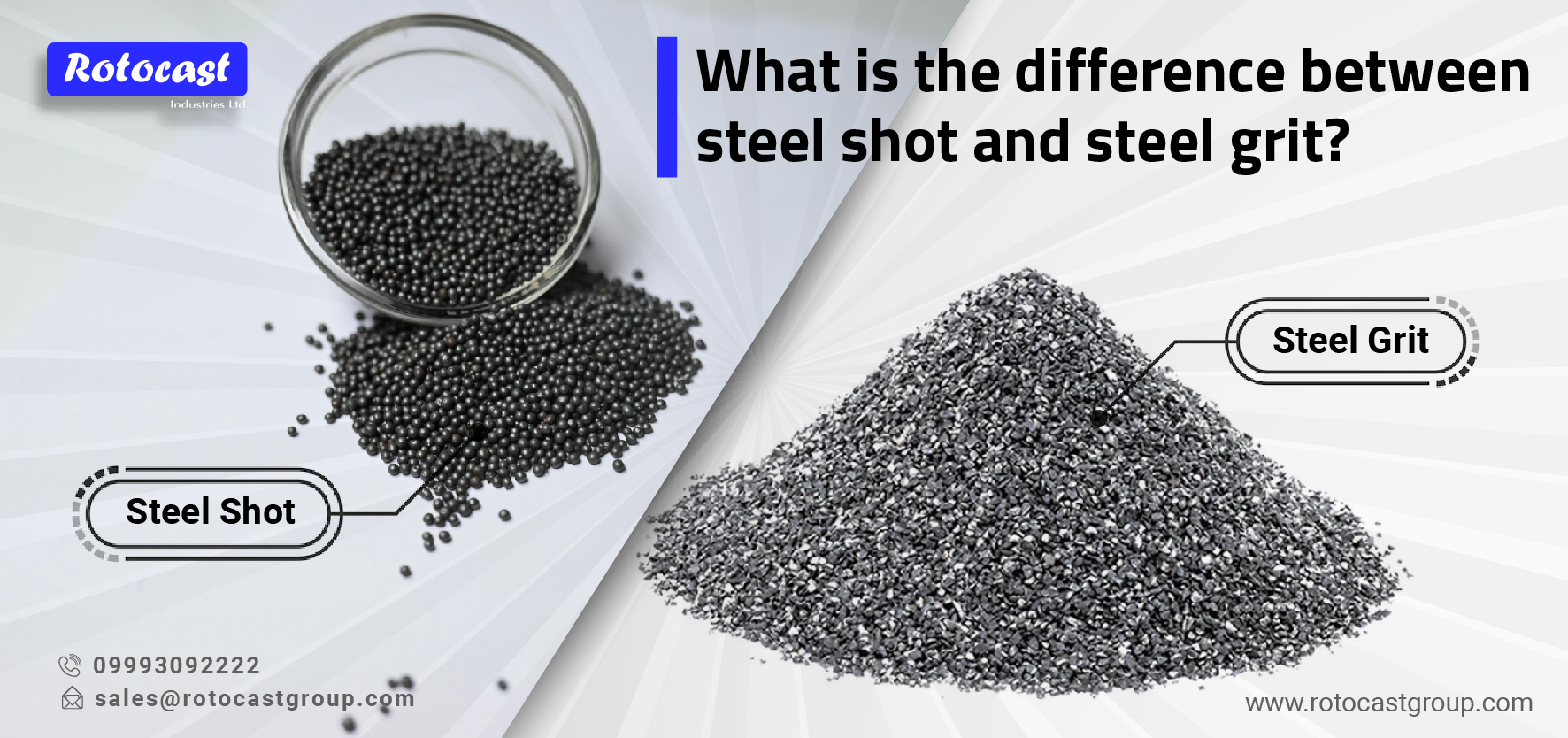
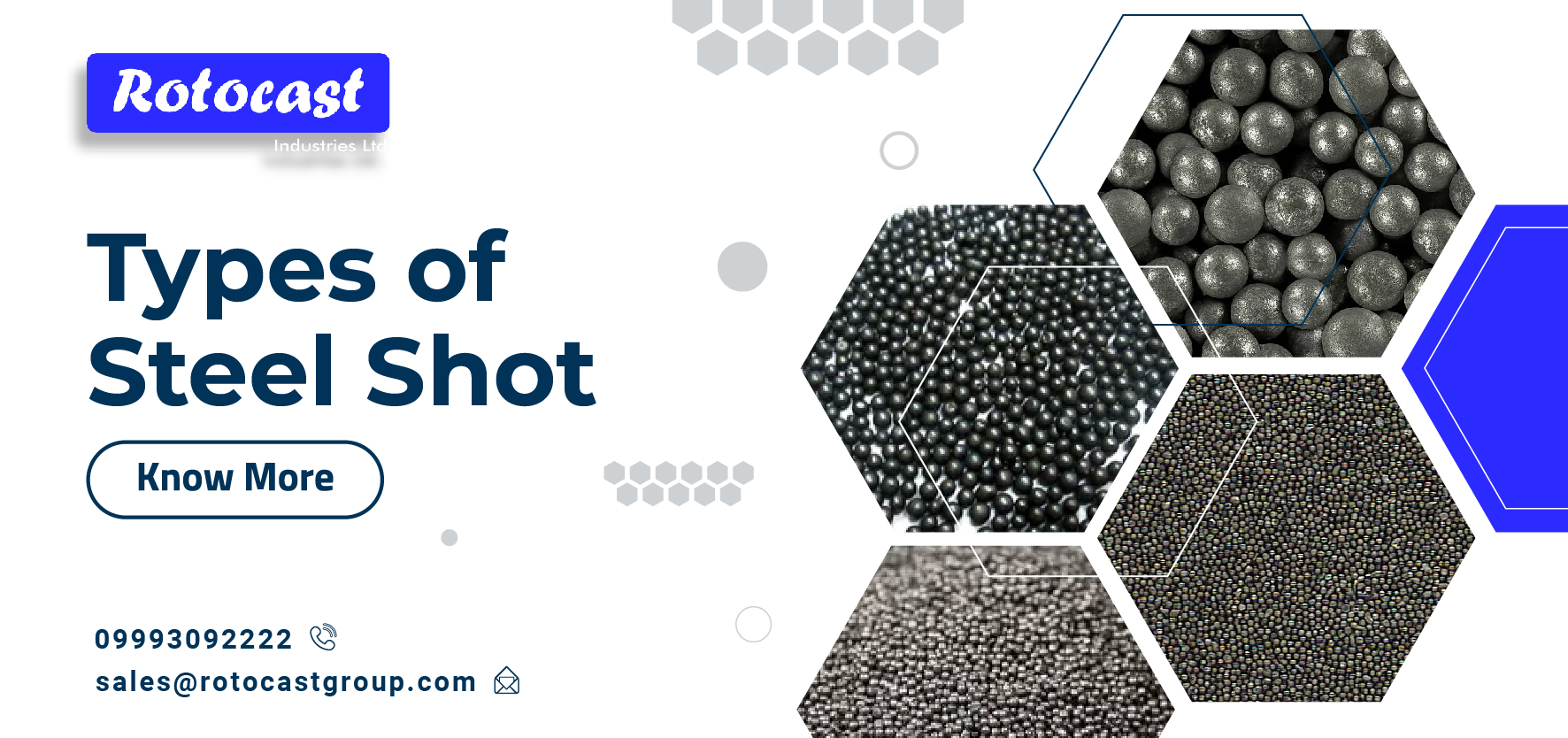
Steel Shot consists of predominantly spherical steel particles used in industrial shot blasting.
Its rounded geometry produces a peening action that helps remove surface contaminants and provides relatively smoother surface characteristics than angular grit under comparable conditions.
Steel Shots are widely used for cleaning castings, forgings, and fabricated components.
However, when a coating requires a pronounced angular profile, Steel Shot alone may not deliver the specified surface texture.
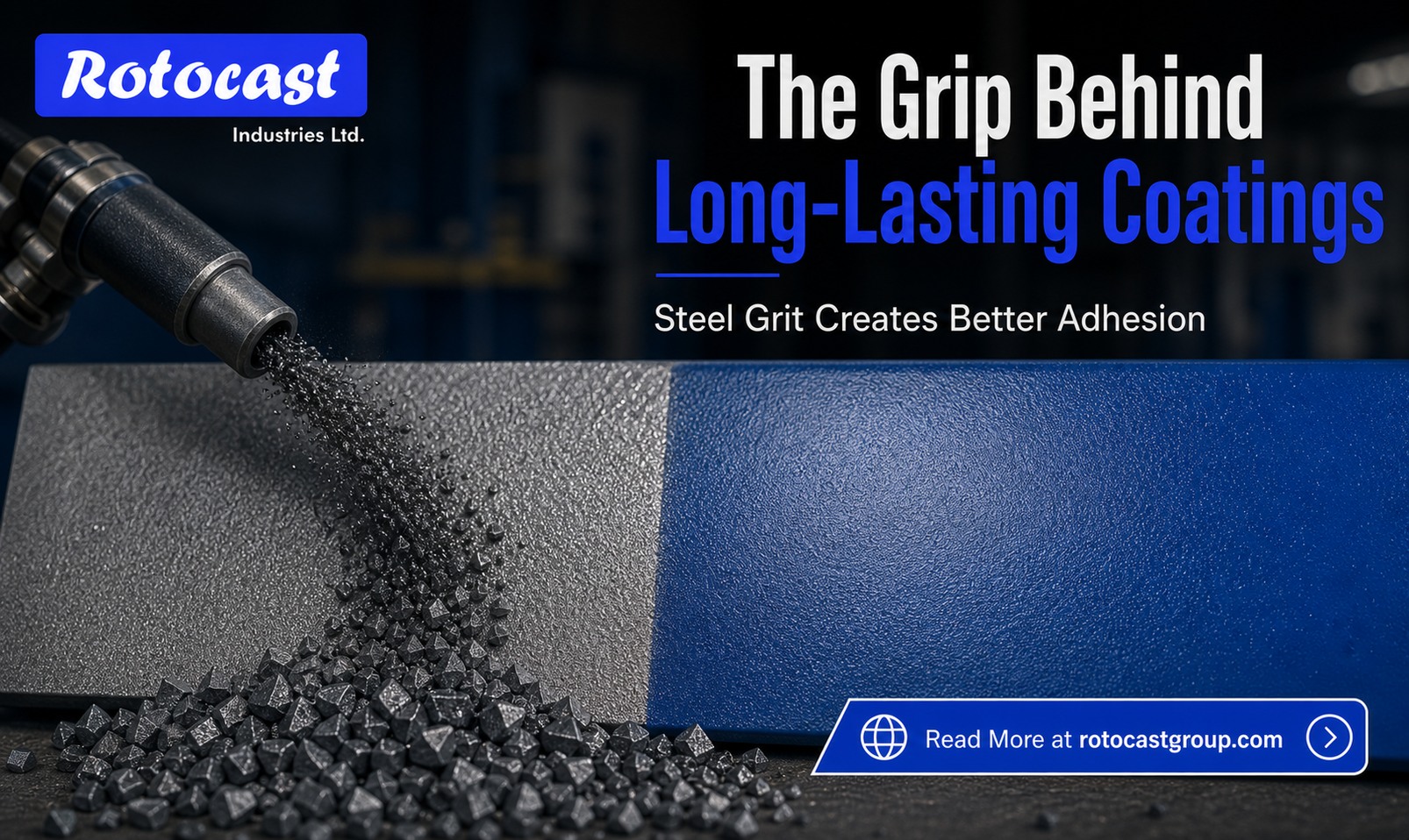
Steel Grit: Creating the Anchor Profile
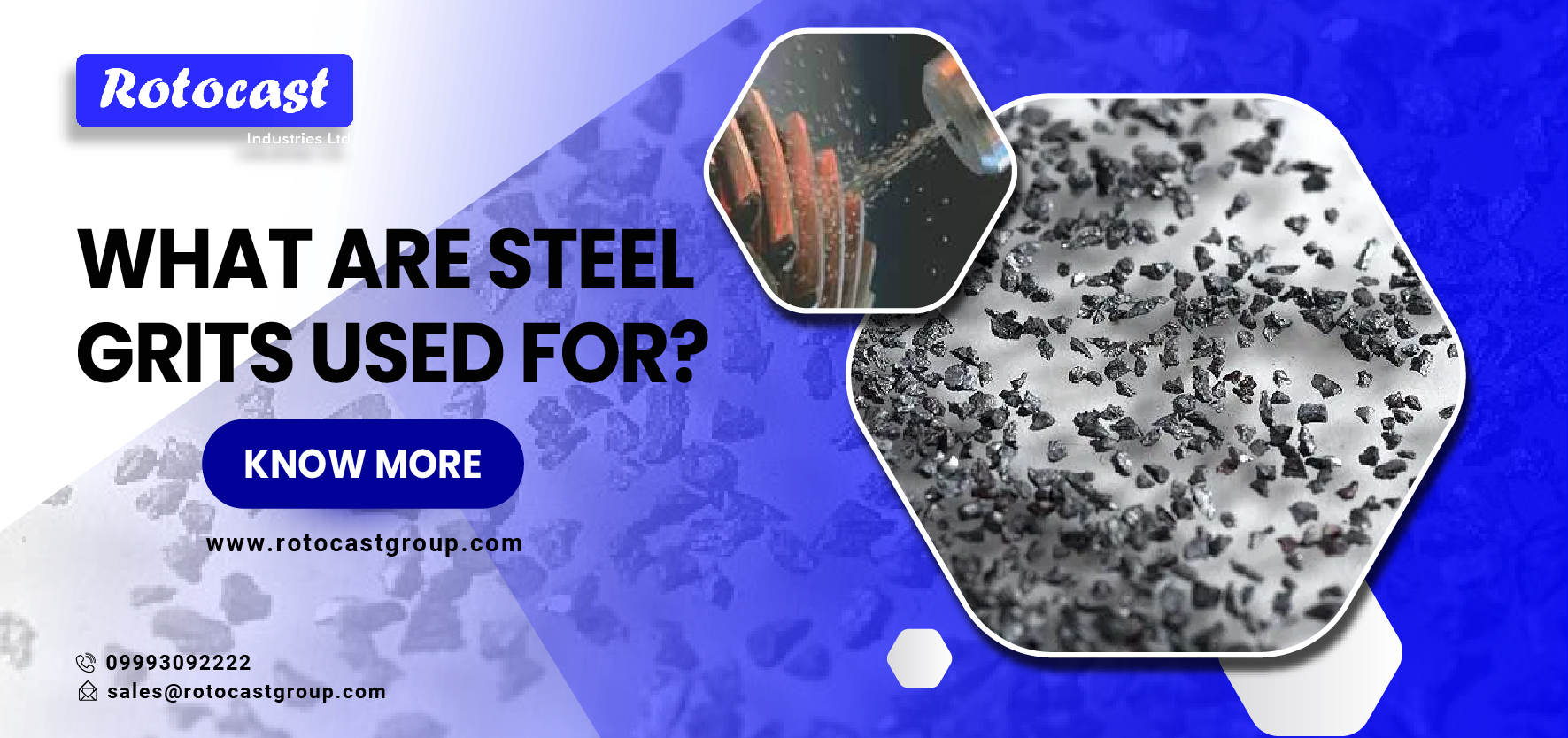
Steel Grit contains angular particles that produce a cutting action during blasting.
This makes Steel Grit particularly useful for removing rust, scale, and existing coatings while developing the textured surface required by many industrial coating systems.
The process is closely related to abrasive blasting, which uses propelled abrasive particles to clean or modify a material’s surface.
For manufacturers working with protective coatings, selecting the correct Steel Grit grade, particle size, and hardness is essential.
The right choice depends on the material, blasting equipment, required cleanliness, and coating specification.
Why the Right Abrasive Grade Matters
Not all blasting applications require the same abrasive characteristics.
Consider two different metal components.
A fabricated structural steel component intended for a protective coating may require an angular anchor profile.
A precision casting requiring cleaning before further manufacturing may benefit from a different abrasive grade or blasting approach.
Using an unsuitable abrasive can create several problems.
Insufficient profiling: The prepared surface may not provide the texture required by the coating system.
Excessive roughness: Deep surface peaks may remain inadequately covered by the specified coating thickness.
Uneven blasting: Inconsistent particle size or an uncontrolled abrasive mixture may affect surface uniformity.
Unnecessary abrasive consumption: Poor media selection and excessive breakdown can increase operating costs.
Manufacturers should therefore consider abrasive shape, hardness, size distribution, and operating conditions rather than selecting blasting media solely by price.
How to Check Whether Your Metal Is Ready for Coating
A surface that looks clean is not necessarily ready for painting.
Before coating, manufacturers should verify the following conditions.
1. Check Surface Cleanliness
Confirm that the surface meets the cleanliness requirements specified for the coating system.
Remove oil and grease through an appropriate cleaning process, and inspect for rust, scale, blasting dust, and other contaminants.
2. Measure the Surface Profile
Use suitable inspection instruments, such as a surface profile gauge, replica tape, or approved profile comparator.
Compare the measured profile with the coating manufacturer’s requirements.
3. Inspect Blasting Consistency
Check whether the surface has received uniform blasting coverage, including edges, corners, welds, and hard-to-reach areas.
4. Monitor Abrasive Condition
Inspect the working abrasive mixture for excessive fines, contamination, and changes in particle size.
A well-maintained blasting process helps achieve repeatable results.
5. Control the Time Between Blasting and Coating
Freshly blasted steel can develop flash rust when exposed to moisture.
Apply the coating within the specified preparation window while maintaining suitable environmental conditions.
These checks help prevent avoidable coating defects before they become expensive maintenance problems.
Why Surface Preparation Is Important for Steel Castings
Components produced through Steel Casting may have residual sand, scale, or oxidation following manufacturing.
Before painting or other finishing operations, these surface conditions need to be addressed.
Controlled abrasive blasting helps prepare cast surfaces for subsequent processes.
For foundries producing industrial machinery parts, engineering castings, and other metal components, choosing suitable blasting media is an important part of the finishing workflow.
This is especially relevant when consistent coating quality is required across repeated production batches.
How Rotocast Industries Ltd. Supports Better Surface Preparation
A consistent surface profile begins with selecting suitable abrasive media.
Rotocast Industries Ltd. manufactures Steel Shot, Steel Grit, and other steel abrasive products for industrial applications.
As an experienced Steel Abrasives Manufacturer, Rotocast supports manufacturers working in foundries, engineering, steel fabrication, automotive manufacturing, and related industries.
Its abrasive product range includes different grades and hardness options to address varied surface treatment requirements.
By selecting the appropriate Rotocast abrasive for the application, manufacturers can work toward more consistent cleaning and profiling performance.
Final Thoughts: The Coating Starts Before the Paint
A long-lasting coating does not begin with the paintbrush, spray gun, or coating material.
It begins with the condition of the metal underneath.
The essential step is achieving the correct surface cleanliness and profile before coating.
Using suitable Steel Shot or Steel Grit, monitoring abrasive quality, and verifying surface preparation requirements can help manufacturers reduce avoidable coating defects.
Looking for the Right Steel Abrasives?
Rotocast Industries Ltd. offers Steel Shot and Steel Grit products for industrial cleaning, blasting, and surface preparation applications.
Connect with our team to discuss suitable abrasive grades for your requirements.