- Rotocast
- Sep 15, 2026
- Blogs, Steel Abrasives, Surface Preparation
- 0 Comments
A metal surface can look clean and still be completely unprepared for painting, coating or further processing.
That is one of the biggest mistakes in industrial surface preparation.
Wiping, washing or basic cleaning may remove oil, dust and loose contamination, but stubborn rust, tightly bonded mill scale and old coatings behave differently. When these layers remain on steel, they can interfere with coating adhesion, create uneven finishes and contribute to premature coating failure.
For demanding industrial applications, the objective is therefore not simply to clean the surface. The objective is to remove unwanted layers while creating a controlled surface condition suitable for the next process.
This is where high-quality Steel Grit becomes important.
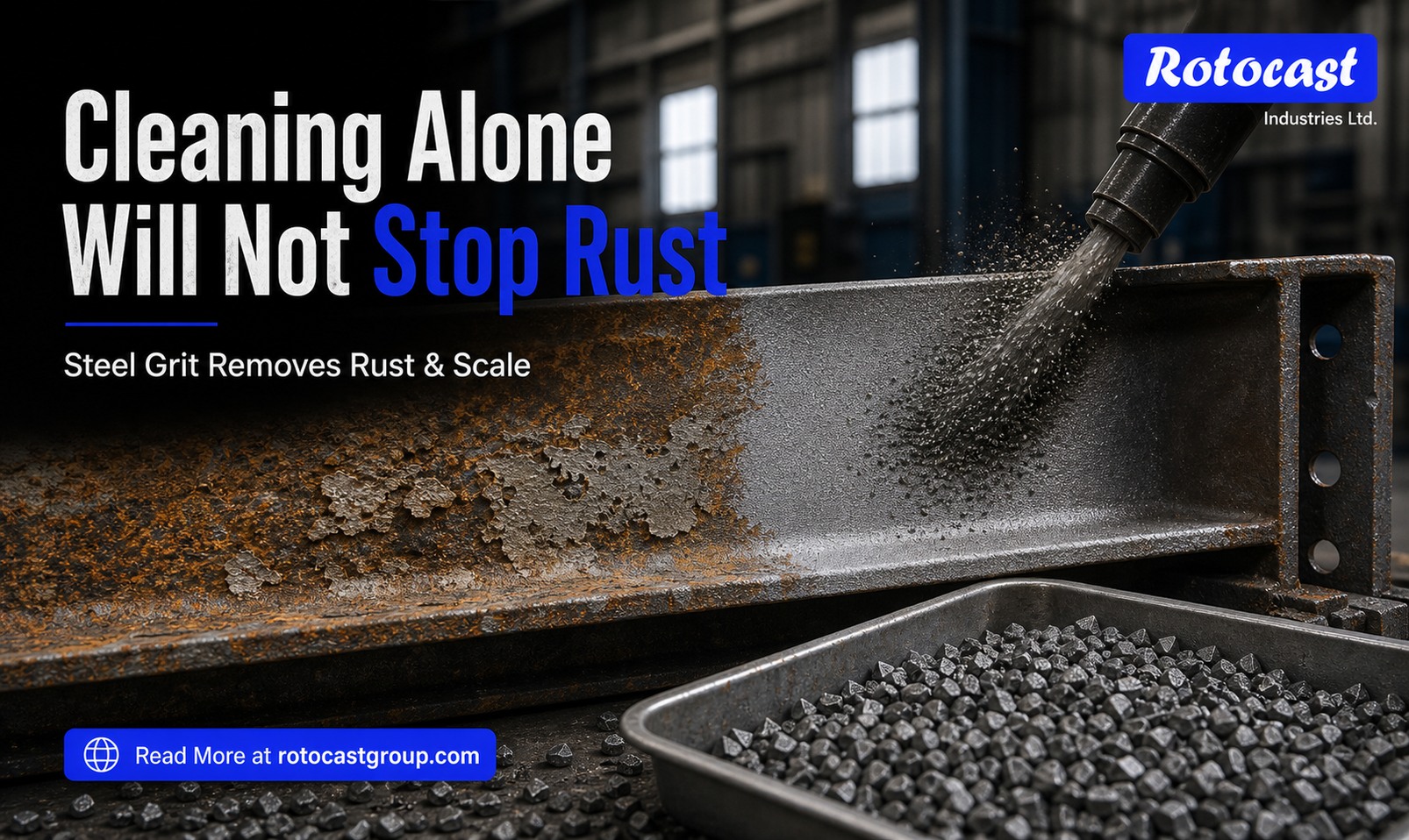
Its angular structure provides the cutting action needed for aggressive rust and scale removal while helping create the surface profile required for industrial coatings.
Why Ordinary Cleaning Is Often Not Enough
Think of rust and mill scale as more than surface dirt.
Loose dust can be blown away. Oil can often be degreased. But mill scale, corrosion and firmly attached coatings can bond strongly to the metal surface.
Simply making the component look cleaner does not necessarily make it coating-ready.
Industrial surface preparation generally needs to accomplish three things:
1. Remove contamination
Rust, mill scale, old paint, oxidation, sand and other unwanted material need to be removed from the substrate.
2. Expose sound base metal
A coating should bond to properly prepared metal rather than to a weak layer sitting between the coating and substrate.
3. Create the required surface profile
Many industrial coatings benefit from a controlled surface texture that supports mechanical adhesion.
This is why proper abrasive blasting can achieve something that washing and conventional cleaning alone cannot.
What Makes Steel Grit Different?
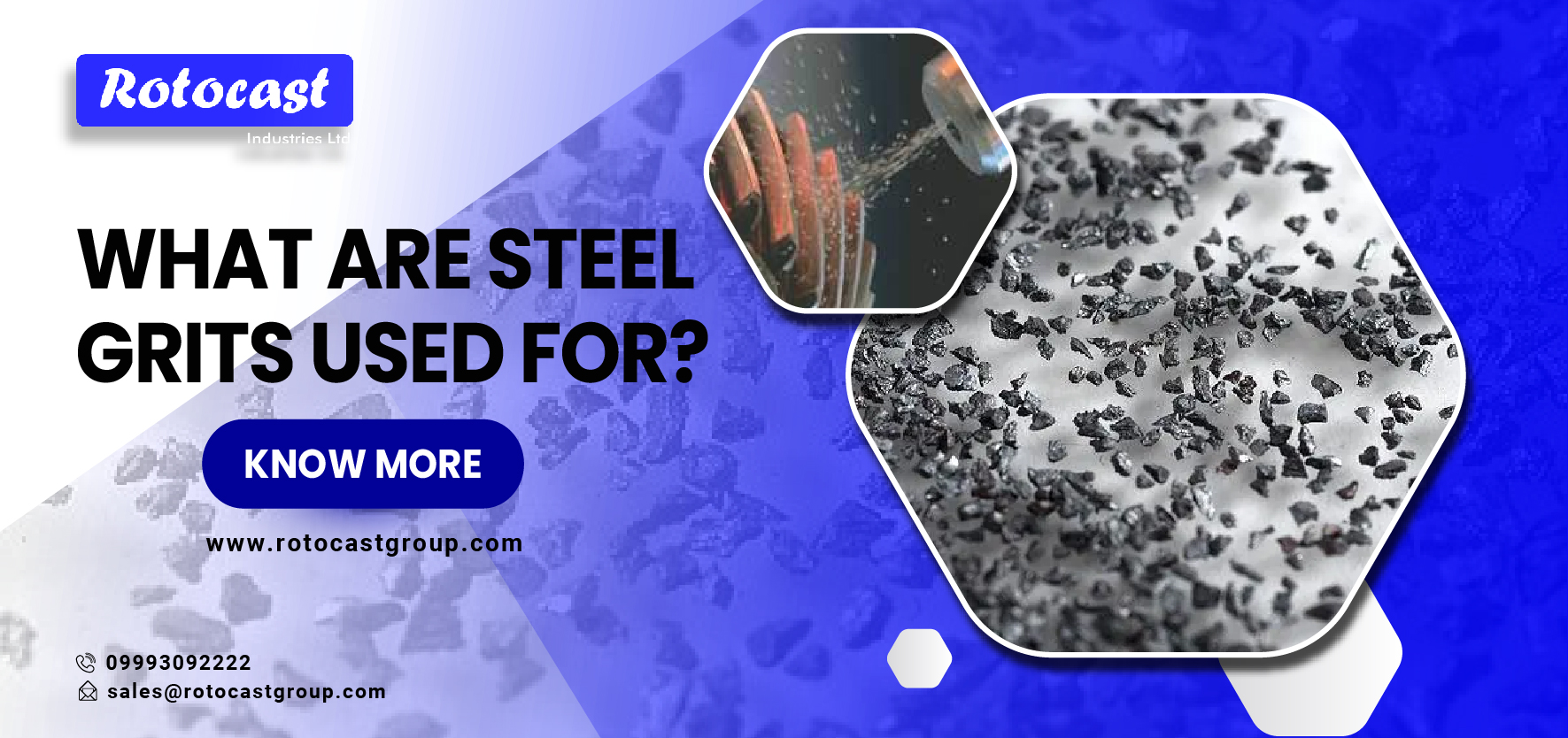
Unlike spherical abrasive media, Steel Grit consists of angular particles.
Those edges matter.
When Steel Grit strikes a metal surface at blasting velocity, the particles provide a cutting and etching action. Instead of primarily hammering or impacting the surface, they can attack stubborn contamination and create a more defined profile.
That makes quality Steel Grits particularly useful where the application involves:
• Heavy rust removal
• Mill scale removal
• Old coating removal
• Surface roughening
• Preparation before painting
• Preparation before protective coating
• Pipe and structural-steel preparation
• Heavy fabrication and engineering components
For plant managers, coating teams and procurement professionals, the distinction is important because the abrasive determines more than how quickly a component appears clean. It can affect blasting time, abrasive consumption, final surface profile and downstream coating performance.
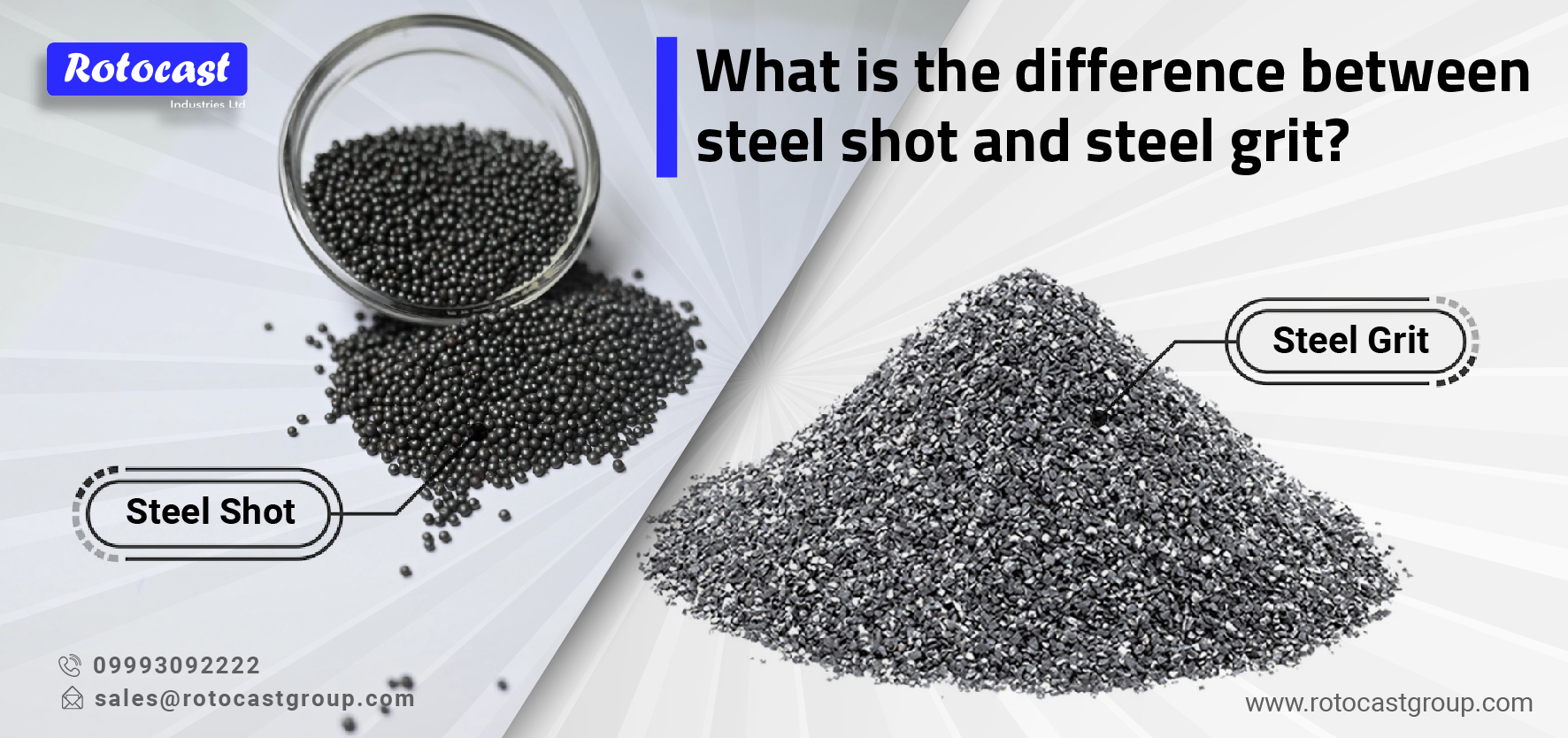
Steel Grit vs Steel Shot: Why Shape Changes the Result
Both Steel Grit and Steel Shot are metallic abrasives, but they should not automatically be treated as interchangeable.
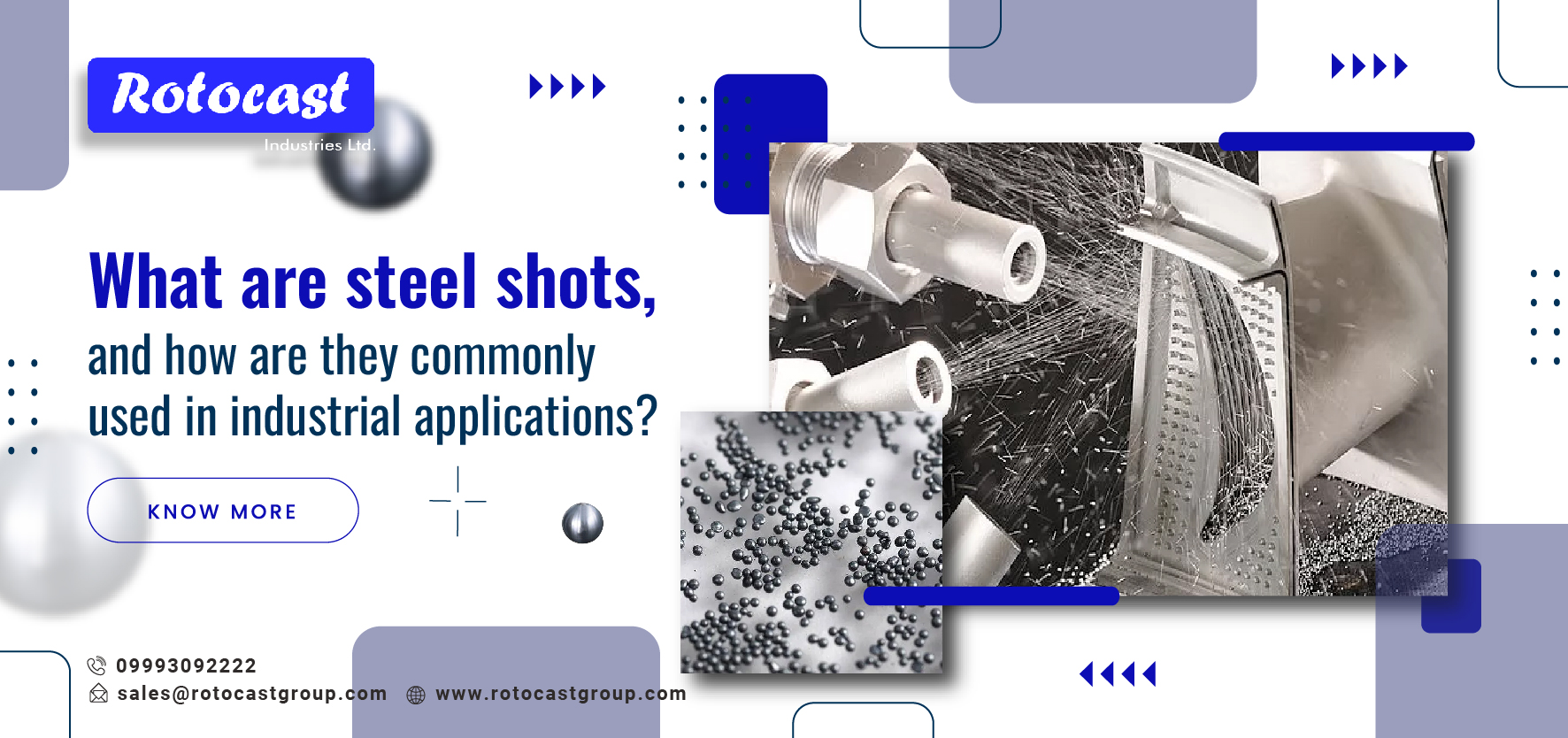
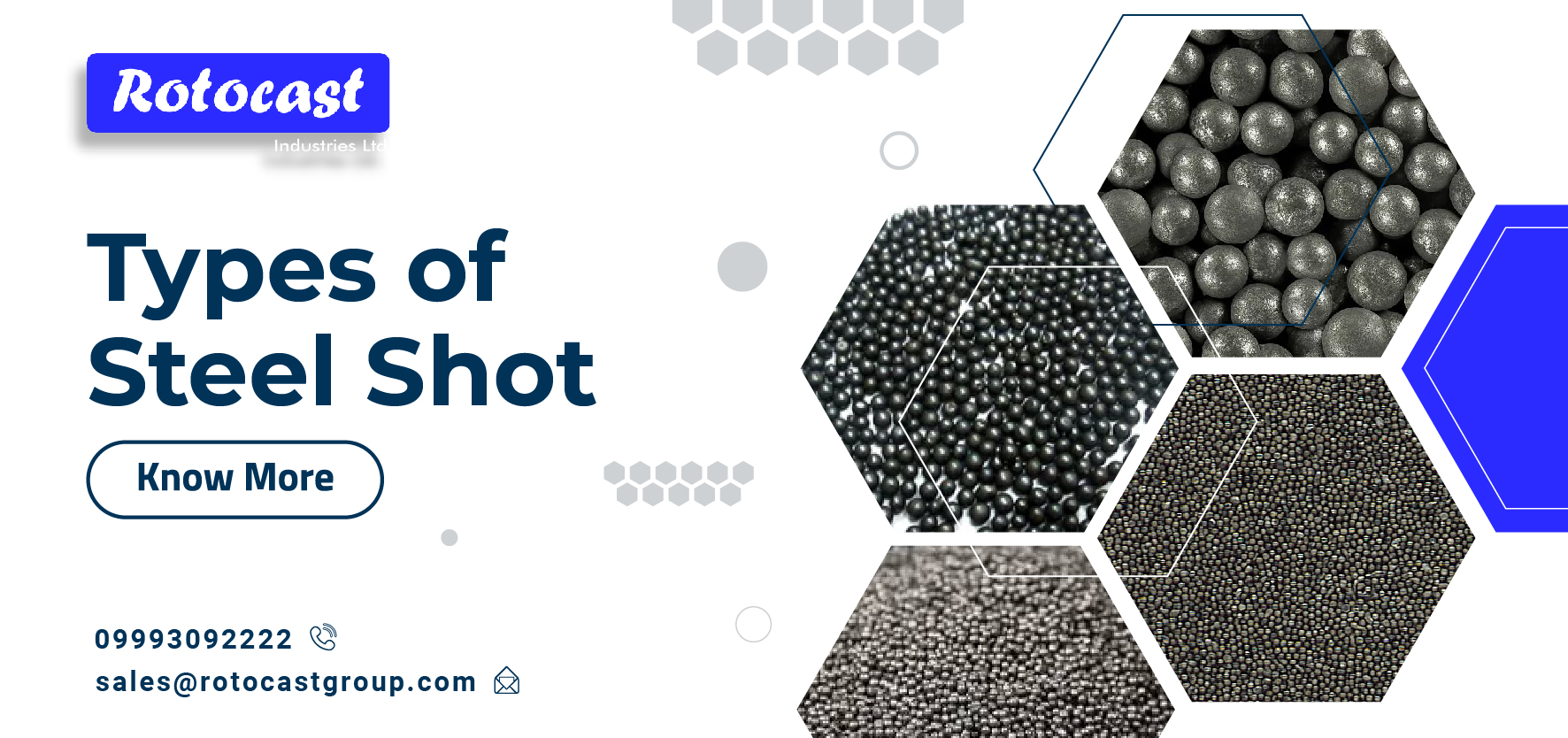
Steel Shot is predominantly spherical. Its rounded shape produces a hammering or impact action and makes it highly useful for general cleaning, controlled finishing and shot peening.
Steel Grit is angular. Its sharper profile produces stronger cutting action, making it particularly effective for aggressive cleaning and surface profiling.
In practical terms:
Choose Steel Shot when you need:
• Uniform cleaning
• Smoother surface characteristics
• Shot peening
• Controlled impact
• Cleaning of castings or forgings
• General-purpose blasting
Consider Steel Grit when you need:
• Aggressive rust removal
• Tough mill scale removal
• Removal of old protective coatings
• A more pronounced anchor profile
• Heavy-duty surface preparation
• Faster cutting action on difficult contamination
The right abrasive is therefore not simply the “strongest” abrasive. It is the abrasive that produces the required surface condition without unnecessary blasting time or excessive surface alteration.
The Hidden Cost of Using the Wrong Abrasive
Abrasive price per kilogram is only one part of the real blasting cost.
An abrasive that is poorly matched to the application may lead to considerably higher operating costs elsewhere.
1. Longer Blasting Cycles
If the media does not provide sufficient cutting action for heavy scale, operators may increase blasting time to compensate.
That reduces throughput.
2. Higher Media Consumption
Abrasives that break down rapidly create fines and require frequent replenishment.
That increases consumption and waste handling.
3. Inconsistent Surface Profiles
Variation in abrasive size, shape or hardness can create uneven blasting results across a production batch.
4. More Rework
If rust, scale or coating residue remains after blasting, components may need a second blasting cycle before painting or inspection.
5. Downstream Coating Problems
Improper preparation may reduce coating reliability even when an expensive coating system is being used.
Choosing the correct Steel Grit should therefore be considered a process decision rather than merely a purchasing decision.
Why Abrasive Quality Matters as Much as Abrasive Type
Selecting Steel Grit is only the first step.
Two products labelled with the same nominal grit size can behave differently when their hardness, particle distribution, microstructure or durability are inconsistent.
Industrial buyers should evaluate several characteristics.
1. Particle Size Distribution
Controlled sizing helps maintain repeatable blasting performance.
Oversized particles may produce an unnecessarily aggressive profile, while excessive fines can reduce useful blasting efficiency.
2. Hardness
The required hardness depends on the application.
Abrasive hardness affects cutting behaviour, wear rate and particle breakdown.
3. Particle Shape
Steel Grit depends on its angular profile to provide cutting action. Consistent particle characteristics support more predictable results.
4. Durability
Good abrasive durability helps maintain the working mix and can reduce excessive replenishment.
5. Cleanliness and Consistency
Foreign contamination and unstable abrasive properties can affect both blasting equipment and the prepared surface.
This is why the capabilities of the Steel Grit Manufacturer matter just as much as the product designation written on the bag.
How to Choose the Right Steel Grit for Rust and Scale Removal
There is no single Steel Grit grade that is ideal for every blasting operation.
The selection should consider the complete process.
Before selecting the abrasive, ask:
1. How severe is the rust or scale?
Light oxidation requires a different level of aggressiveness than thick mill scale.
2. What surface profile is required?
The coating specification may require a particular profile range.
3. What is the base material?
Heavy structural steel and thinner precision components should not automatically be blasted with identical settings.
4. Which blasting equipment is being used?
Wheel blasting, air blasting and other systems can behave differently with different abrasive grades.
5. What is the desired production rate?
Faster cutting is useful only when the resulting surface still meets specification.
6. Will the surface be painted, coated, welded or inspected afterward?
The next manufacturing stage should influence the blasting requirement.
A knowledgeable Steel Grit Manufacturer in India should be able to help buyers evaluate these parameters instead of recommending media based only on price.
Where Steel Grit Is Commonly Used
Demand for Steel Grit India products extends across industries where corrosion, scale and demanding surface preparation are everyday challenges.
Structural Steel and Heavy Fabrication
Beams, plates, fabricated structures and welded components often require removal of oxidation and mill scale before protective coating.
Pipes and Coating Lines
Pipe surfaces need proper preparation before anti-corrosion coatings are applied. Angular Steel Grits can help create the surface profile required for these systems.
Foundries
A Steel Casting operation may need abrasive cleaning to remove scale, sand or surface residue from cast components before inspection, machining or finishing.
Understanding the wider Steel Casting Foundry process also makes clear why surface treatment is such an important downstream manufacturing stage.
Shipbuilding and Marine Maintenance
Marine steel structures frequently face corrosion and repeated coating requirements, making aggressive surface preparation an essential operation.
Heavy Engineering
Mining, construction, cement, steel and engineering equipment often contain components exposed to demanding service conditions where proper coating preparation matters.
Do Steel Shots Still Matter for Rust Removal?
Absolutely.
The argument is not that Steel Shots are inferior.
It is about selecting the correct abrasive action for the required finish.
Steel Shots can be highly effective for general cleaning and are preferred in many blasting applications where a smoother finish or uniform impact pattern is required.
Many industrial facilities therefore use Steel Shot and Steel Grit for different operations—or maintain a controlled working mix depending on the application.
The key is understanding the result required from the blast process.
For buyers searching for Steel Shot India, Steel Shots India, Steel Grit India or Steel Grits India, product consistency should remain a more important purchasing criterion than choosing solely on initial abrasive price.
Why the Manufacturer Behind the Abrasive Matters
Surface preparation is a repetitive industrial process.
If abrasive performance changes significantly from one supply batch to another, operators may need to change blasting time, feed rates or process parameters simply to reproduce the same finish.
That is why buyers should work with an experienced Steel Abrasives Manufacturer that understands not only abrasive production but also real-world blasting applications.
An established Steel Shot Manufacturer or Steel Grit Manufacturer in India should focus on controlled sizing, hardness, product consistency and application suitability.
For high-volume manufacturers, these factors contribute to predictable blasting cycles and stable production quality.
Rotocast Industries Ltd.: Steel Abrasives Engineered for Industrial Performance
Rotocast Industries Ltd. supplies steel abrasive solutions for surface blasting, surface preparation, shot peening and demanding industrial applications.
For businesses searching for a reliable Shot Manufacturer in India, Steel Shot Manufacturer, Steel Grit Manufacturer, or Steel Abrasives Manufacturer, the goal should be more than simply purchasing blasting media.
The right supplier should help you select an abrasive suited to:
• Your component material
• Existing rust or scale condition
• Blasting equipment
• Required surface profile
• Coating system
• Production volume
• Desired blasting efficiency
The result is a more controlled approach to surface preparation rather than trial-and-error abrasive selection.
Cleaning Makes Metal Look Better. Proper Blasting Makes It Ready.
There is a major difference between a surface that appears clean and a surface that is genuinely ready for industrial coating or further processing.
For light contamination, conventional cleaning may be enough.
For firmly bonded rust, mill scale, old coatings and applications requiring a defined surface profile, Steel Grit provides the angular cutting action required for much more intensive surface preparation.
And when a smoother impact pattern, general cleaning or peening action is needed, Steel Shot remains an equally important part of the industrial abrasive toolbox.
The real answer is not Steel Shot vs Steel Grit.
It is choosing the correct abrasive, grade, hardness and blasting parameters for the surface you actually need.
If your blasting operation is experiencing slow rust removal, excessive media consumption, inconsistent surface profiles or repeated rework, it may be time to review the abrasive—not just the machine.
Talk to Rotocast Industries Ltd. about the right Steel Shot, Steel Grit or Steel Casting solution for your industrial application.