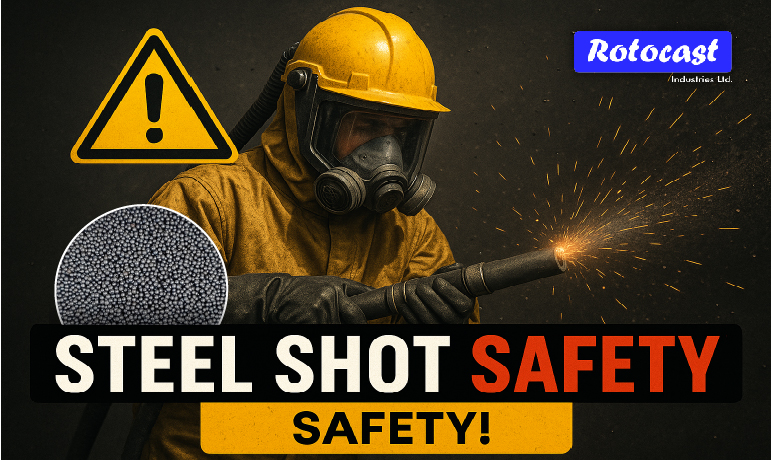
Across foundries, fabrication shops, and large-scale manufacturing units, abrasive blasting is a core productivity process. Media like steel shot and steel grit offer longevity, uniform cleaning action, and high recyclability, but improper handling can lead to equipment failure, accidents, and inconsistent surface profiles.
This guide presents clear, practical safety recommendations tailored to industrial blasting environments.
1. Know Your Blasting Media
Operators must understand how different steel abrasives behave under pressure:
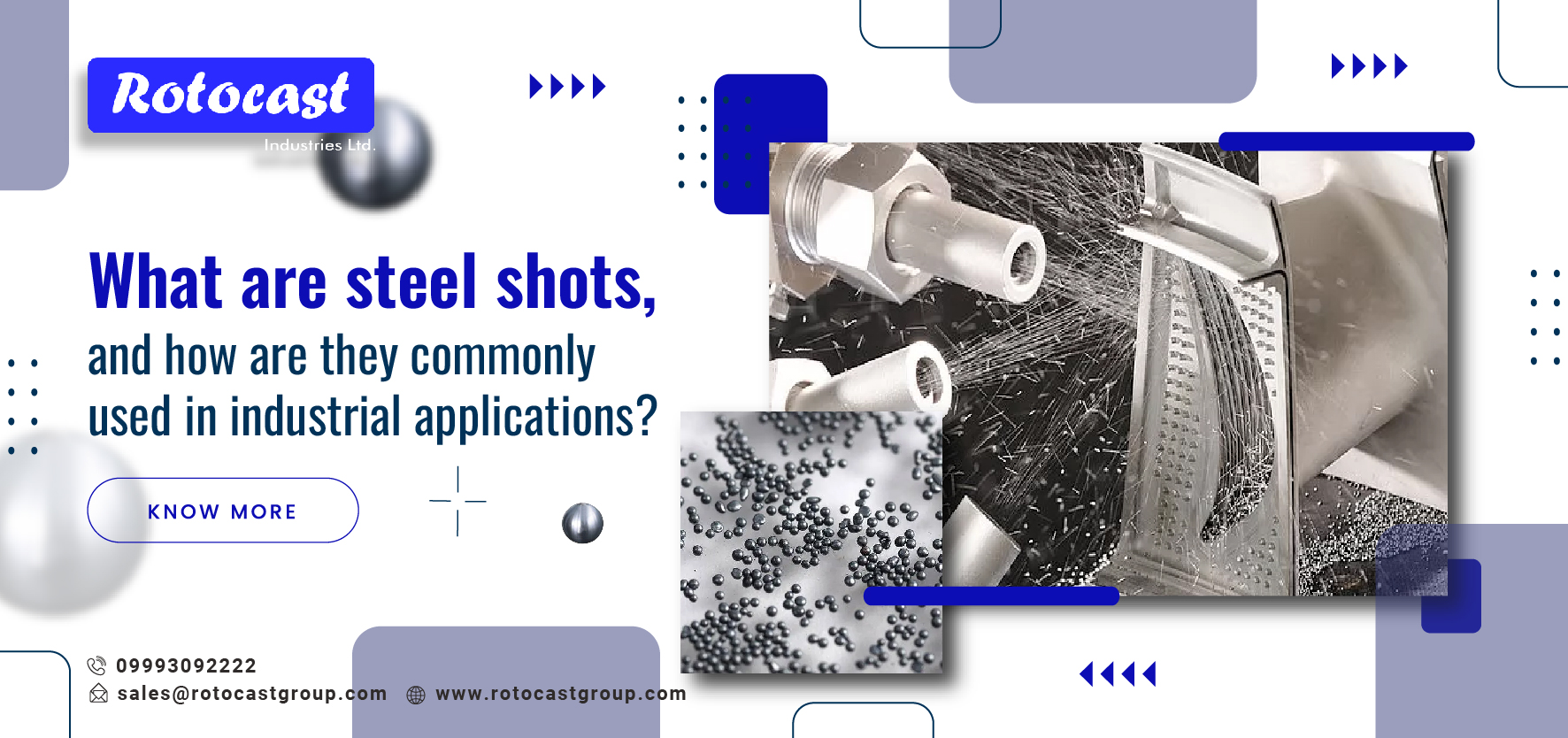
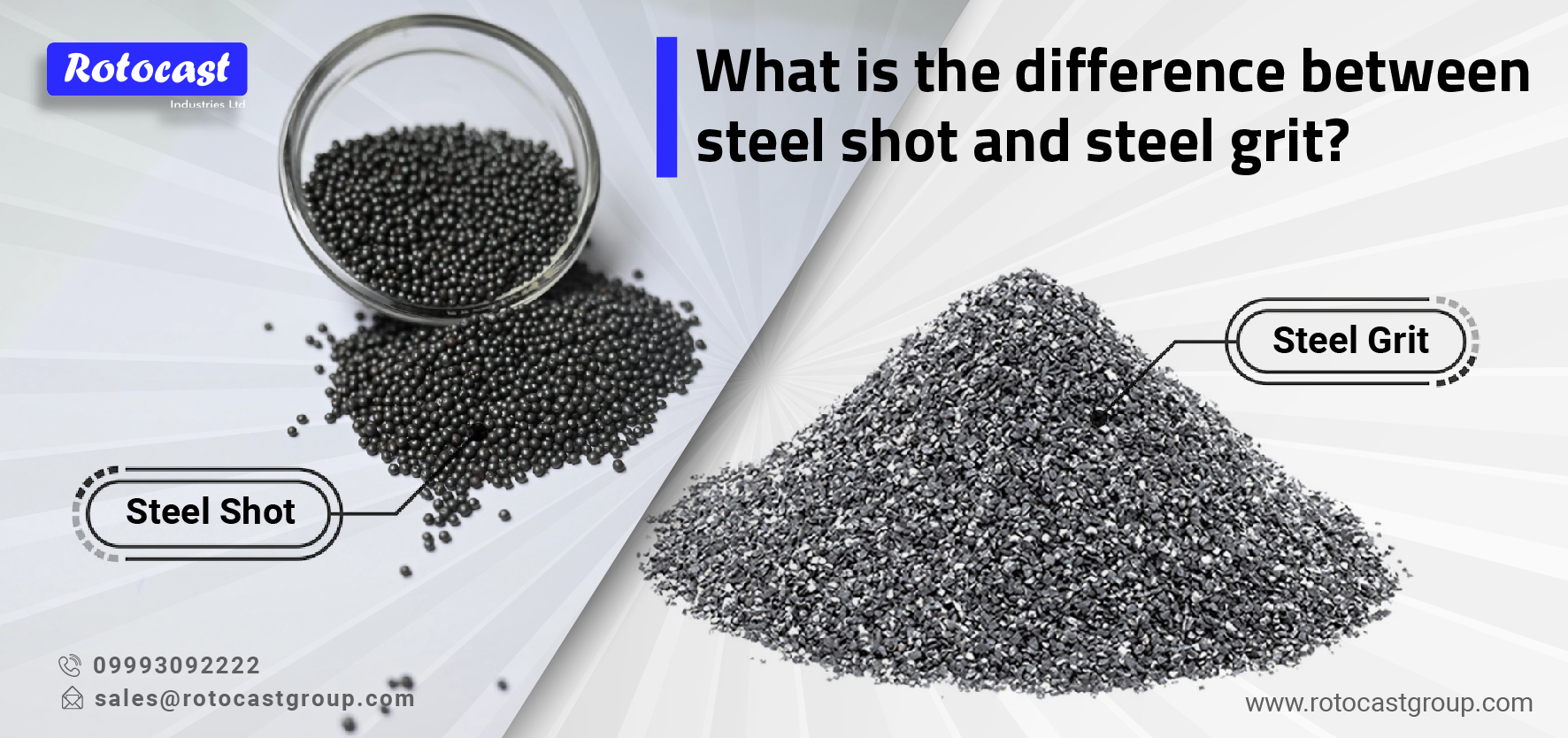
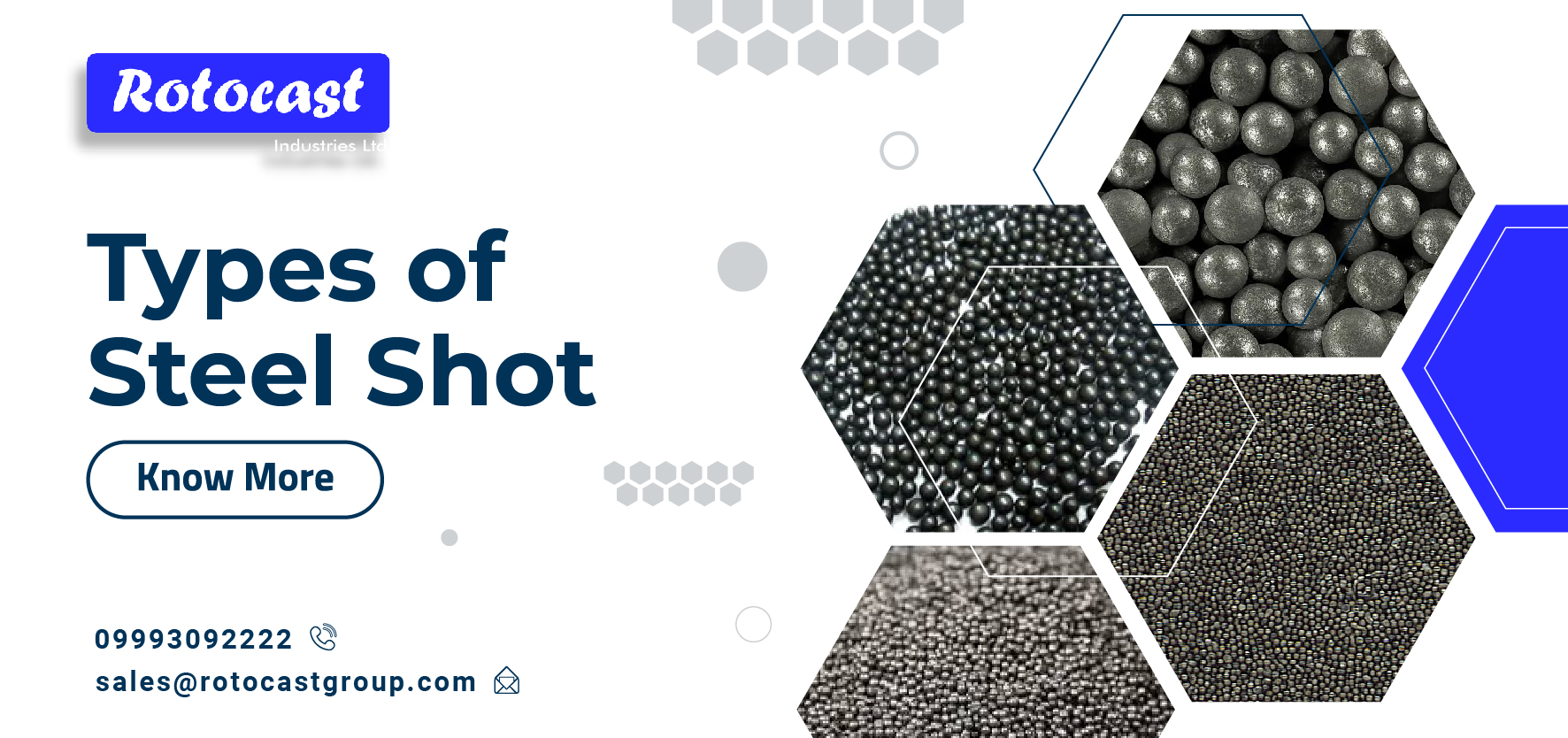
- Steel Shot: Spherical particles for peening, descaling, and smooth finishes with minimal surface deformation.
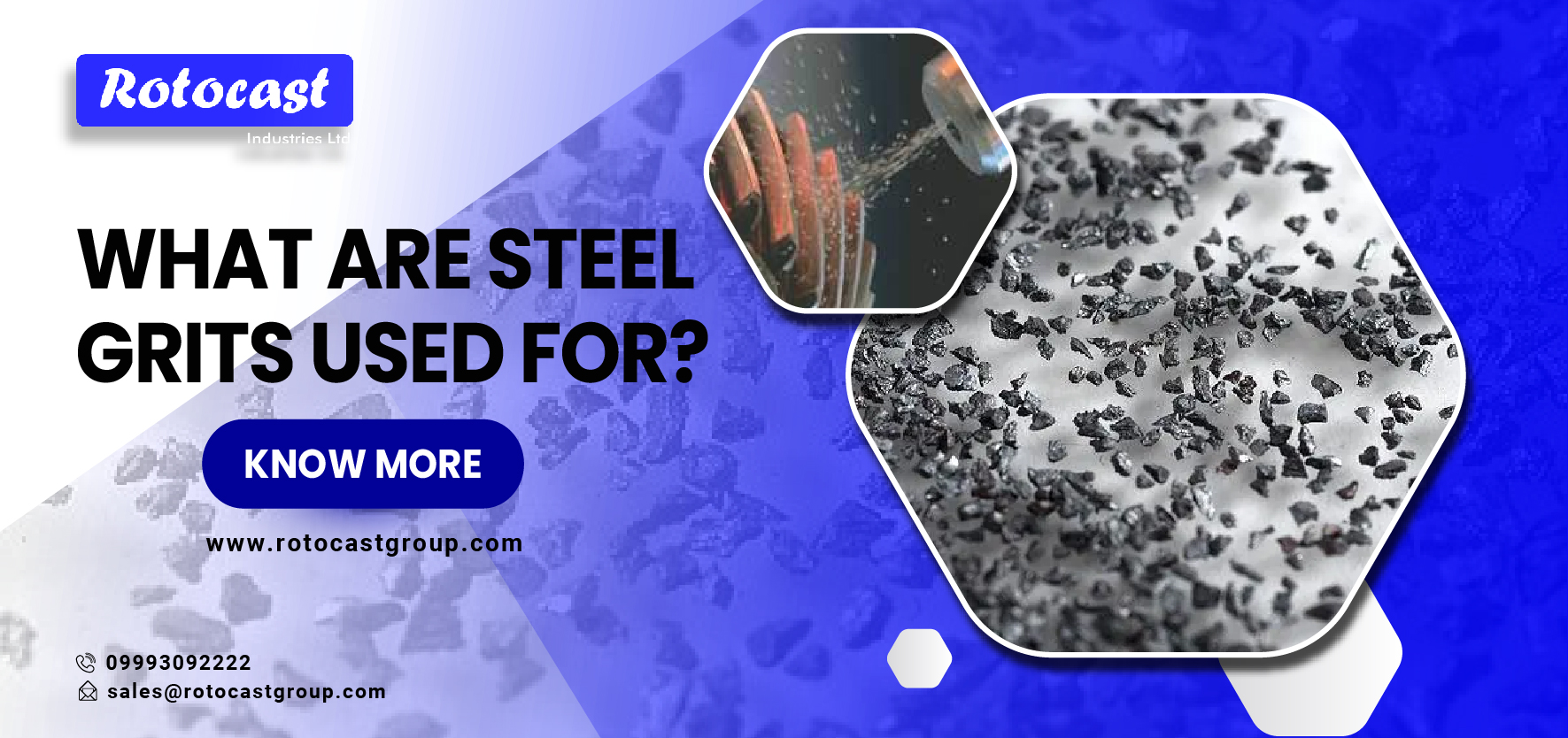
- Steel Grit: Angular particles ideal for heavy cleaning, corrosion removal, and deep anchor profiles.
Choosing the correct hardness and size prevents over-blasting, reduces machine wear, and ensures predictable results. Using media from a reliable Steel Abrasives Manufacturer like Rotocast ensures consistency across batches.
2. Prioritize a Controlled Blasting Zone
A well-maintained blasting environment drastically reduces operator risk and improves outcome quality.
- Seal the blasting chamber to prevent abrasive leakage.
- Maintain dust collectors, ensuring airflow remains within recommended parameters.
- Prevent ricochet hazards by inspecting chamber walls and lining.
- Keep the area free from loose media to reduce slipping hazards.
A controlled chamber directly impacts productivity and media recovery rates.
3. Mandatory Protective Equipment
Abrasive blasting is high-impact work. Operators must never work without proper PPE.
Key items include:
- CE-certified blasting helmet
- Abrasion-proof gloves and protective suit
- Anti-slip safety boots
- Ear protection
- Air-fed respirators (especially in dry blasting setups)
Worn-out PPE drastically increases exposure risk, especially when working with aggressive Steel Shots India or Steel Grits India materials.
4. Best Practices for Storage, Handling & Transportation
Improper media handling can shorten abrasive life and compromise blasting efficiency.
- Store abrasives in dry, covered areas to avoid rusting or clumping.
- Use sealed bins or drums to prevent contamination.
- Maintain a FIFO (First-In-First-Out) usage pattern.
- Clear spills immediately to prevent floor hazards.
- Use automated conveyors for moving large batches.
Quality abrasives stored poorly lose performance—impacting cost-per-cycle for blasting operations.
5. Inspect Blasting Equipment Daily
Neglecting equipment maintenance is the fastest way to create safety hazards and increase downtime.
Checklist for daily inspection:
- Hose integrity and pressure rating
- Blast nozzle wear and throat alignment
- Moisture levels in compressed air lines
- Media reclaim efficiency and separator settings
- Blast wheel alignment (for wheel machines)
Working with consistent-quality media from a trusted Steel Grit Manufacturer or Steel Shot Manufacturer reduces equipment erosion and ensures stable operation.
6. Operate With Precision
Mistakes during blasting can lead to serious accidents. Operators must follow standardized SOPs:
- Never direct the nozzle toward personnel or unshielded surfaces.
- Stabilize stance before triggering the nozzle to avoid recoil.
- Start at low pressure and calibrate gradually.
- Follow strict lockout/tagout rules—no shortcuts.
- Maintain communication between all operators during multi-nozzle operations.
These discipline-based practices reduce risk and optimize media consumption.
7. Manage Spent Abrasive Responsibly
Spent steel abrasives still contain recoverable material.
- Use magnetic separators to collect reusable media.
- Segregate metal residues, paint chips, and contaminants.
- Dispose of hazardous waste as per local regulations.
- Maintain logs of reclaimed vs. spent media for cost tracking.
Proper reclaiming reduces purchase frequency, especially in heavy-use environments like Steel Casting Foundry operations.
Where Safety Directly Impacts Output
Industries where safety errors directly affect product quality include:
- Automotive component manufacturers
- Foundry casting cleaning
- Structural steel fabrication
- Shipyard hull treatment
- Oil & gas pipeline maintenance
- Heavy machinery refurbishment
- Rail coach and wagon maintenance
In these sectors, inconsistent blasting quality can lead to coating failures, fatigue cracks, or premature corrosion.
Conclusion & CTA
Abrasive blasting safety is not optional—it is a core operational discipline. By using premium-grade steel abrasives from Rotocast and following these proven safety steps, industries can achieve consistent results, extend equipment life, and reduce unplanned downtime.
👉 Explore Rotocast’s complete steel shot, steel grit, and casting solutions—or request a custom quote today.